Everyday Living
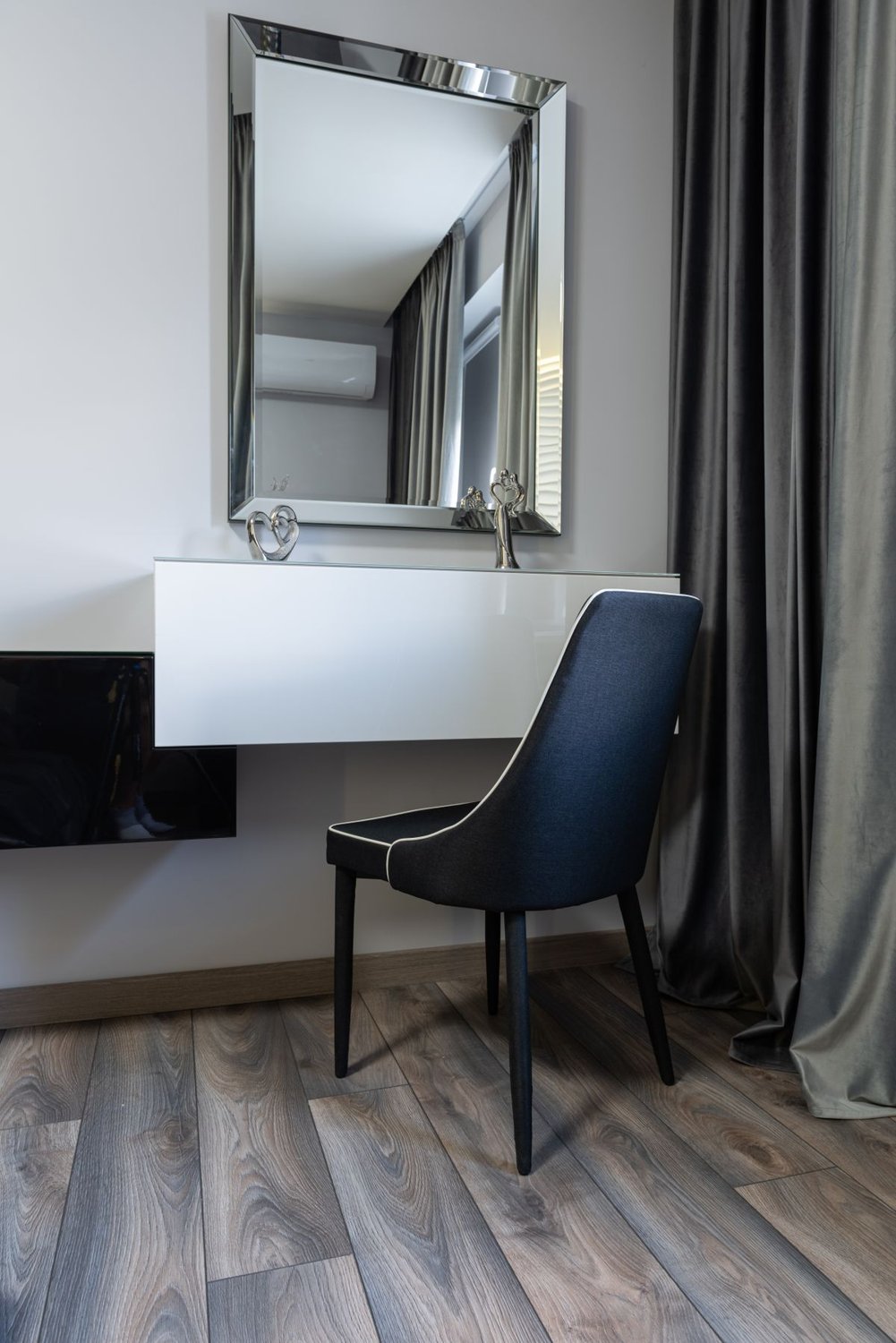
Make a getting-ready corner without taking over a room
A mirror, a usable surface and the right position can do the job without requiring a full dressing table.
The subjects
The rooms, routines and small arrangements that surround getting dressed and getting on with the day.
Everyday Living
A mirror, a usable surface and the right position can do the job without requiring a full dressing table.
Everyday Living
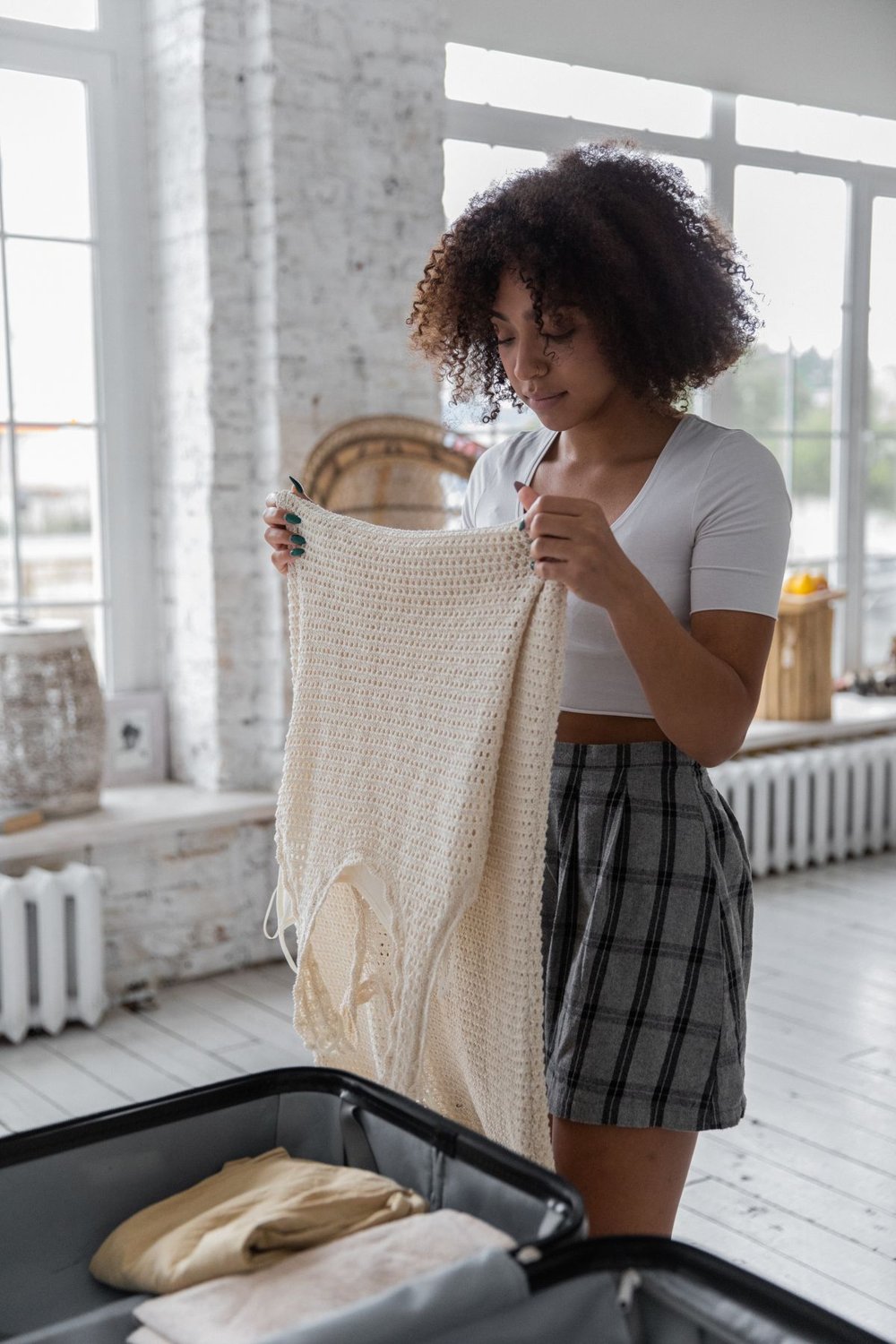
Build a short trip from complete outfits, then remove the pieces that only work in an imaginary extra day.
Everyday Living
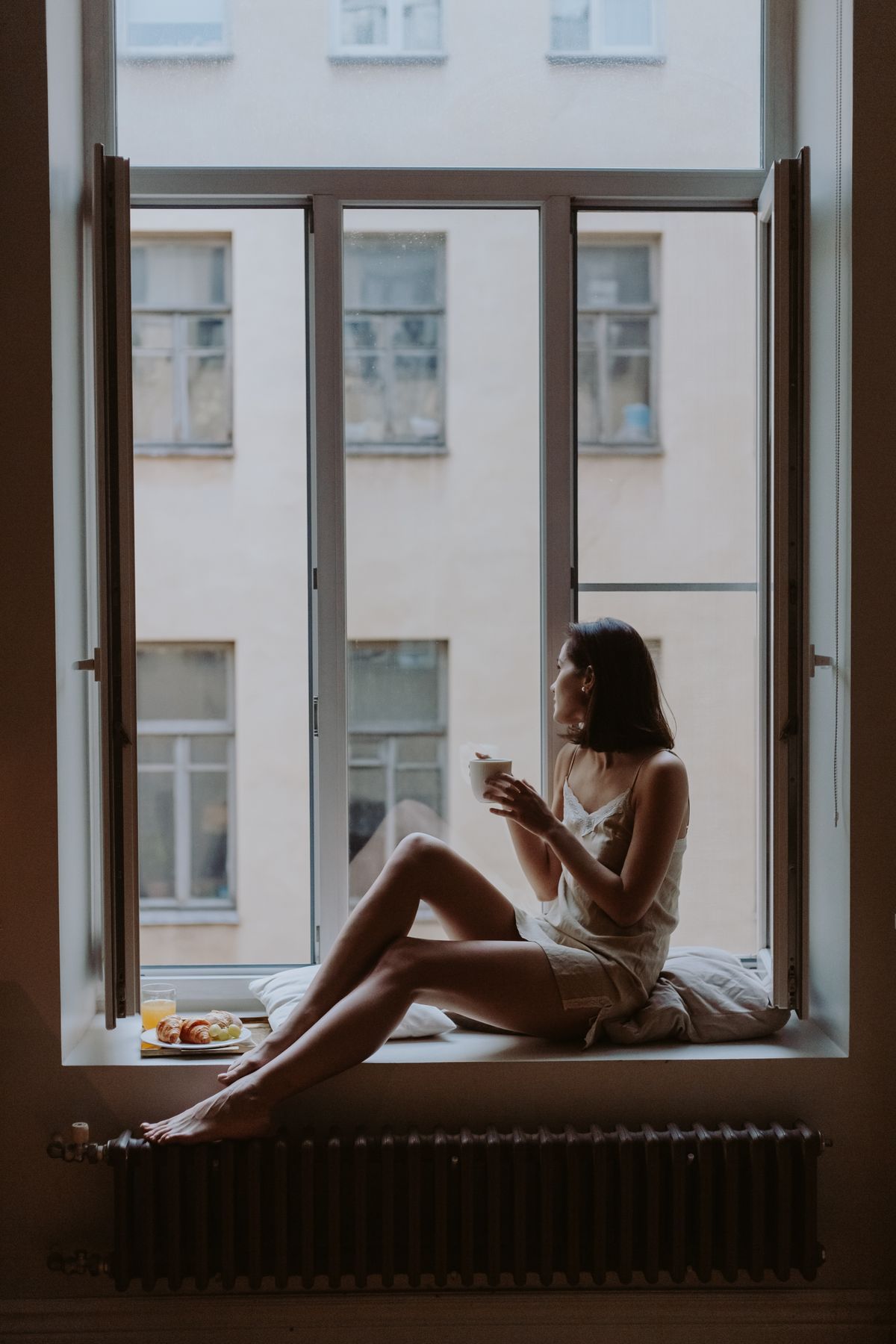
An easier start does not need an elaborate morning routine. It often begins with deciding less before you leave the house.
Everyday Living
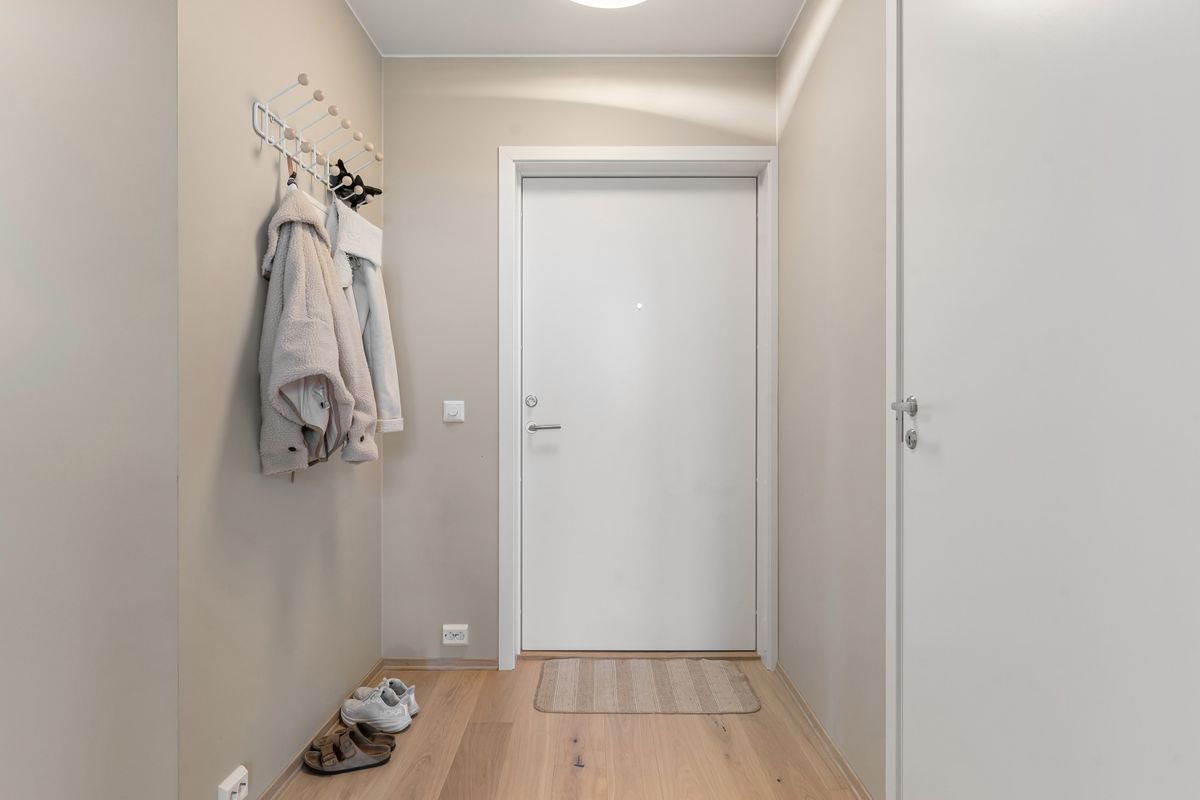
Arrange the entrance around what arrives in your hands and what needs to leave with you tomorrow.
Everyday Living
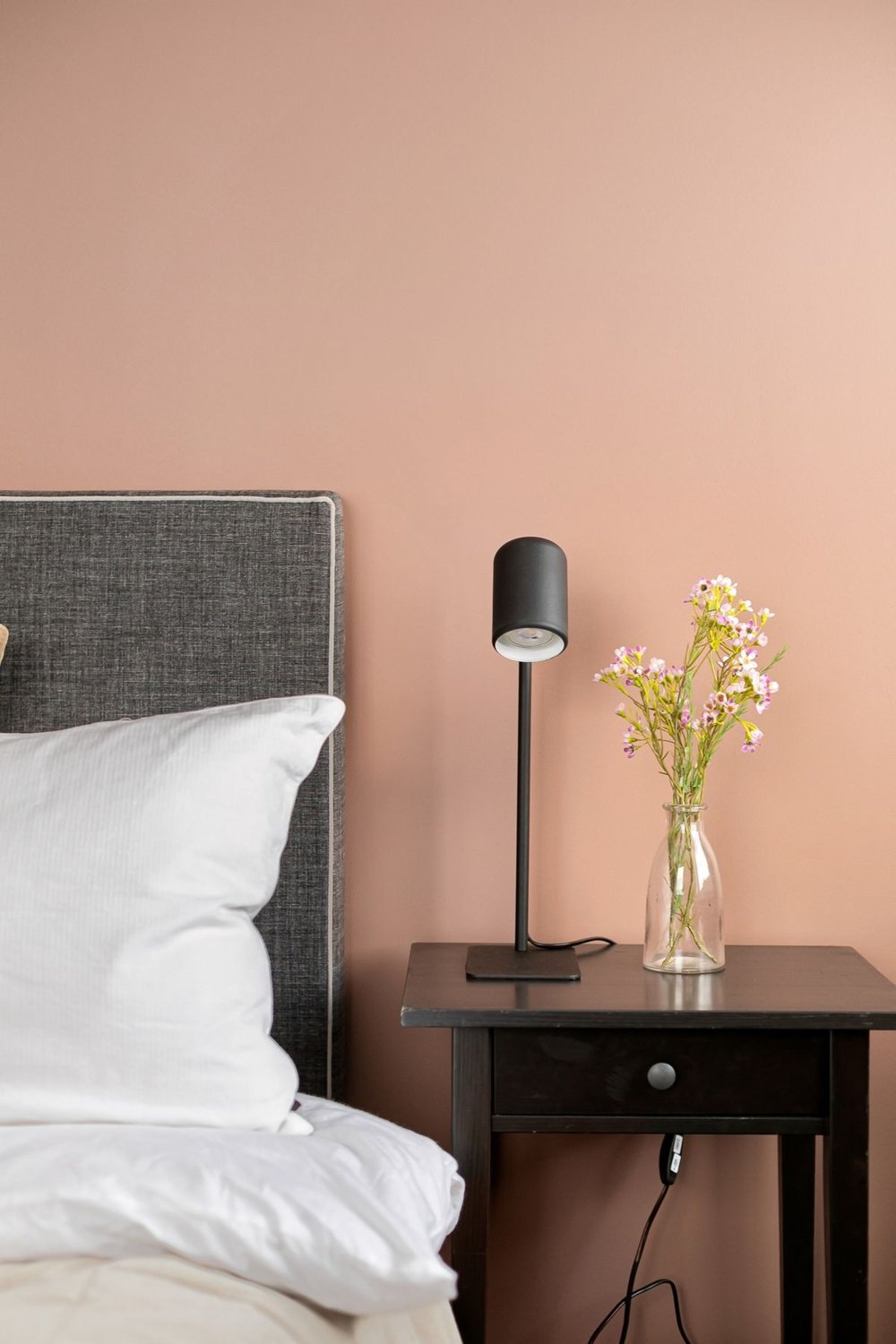
Keep the objects you use at night within reach and let the rest of the surface stay available.
Everyday Living
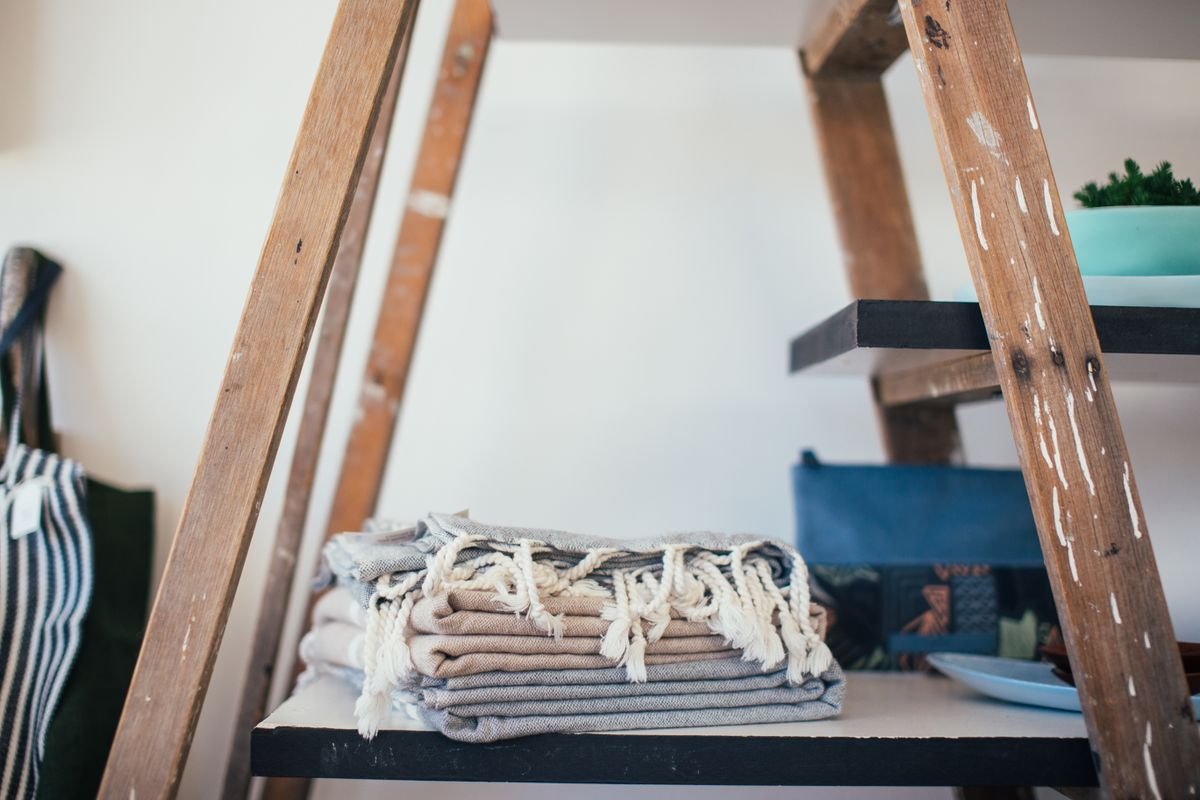
Organise the cupboard around complete changes of bedding and the towels people reach for, with enough room to take one out.

Everyday Living
Begin with the number of people and the food you are serving. The tableware can follow from there.
Everyday Living
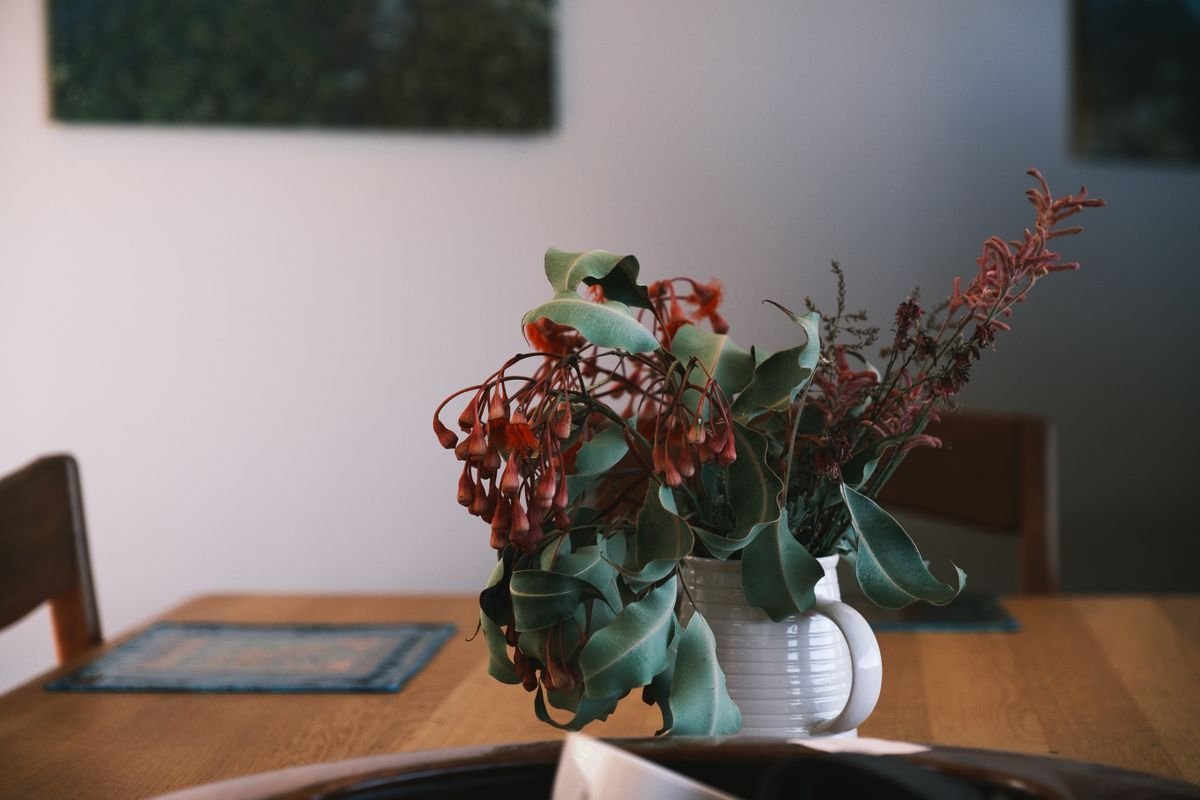
A bunch is easier to arrange when you already know its height, container and place in the room.
Everyday Living
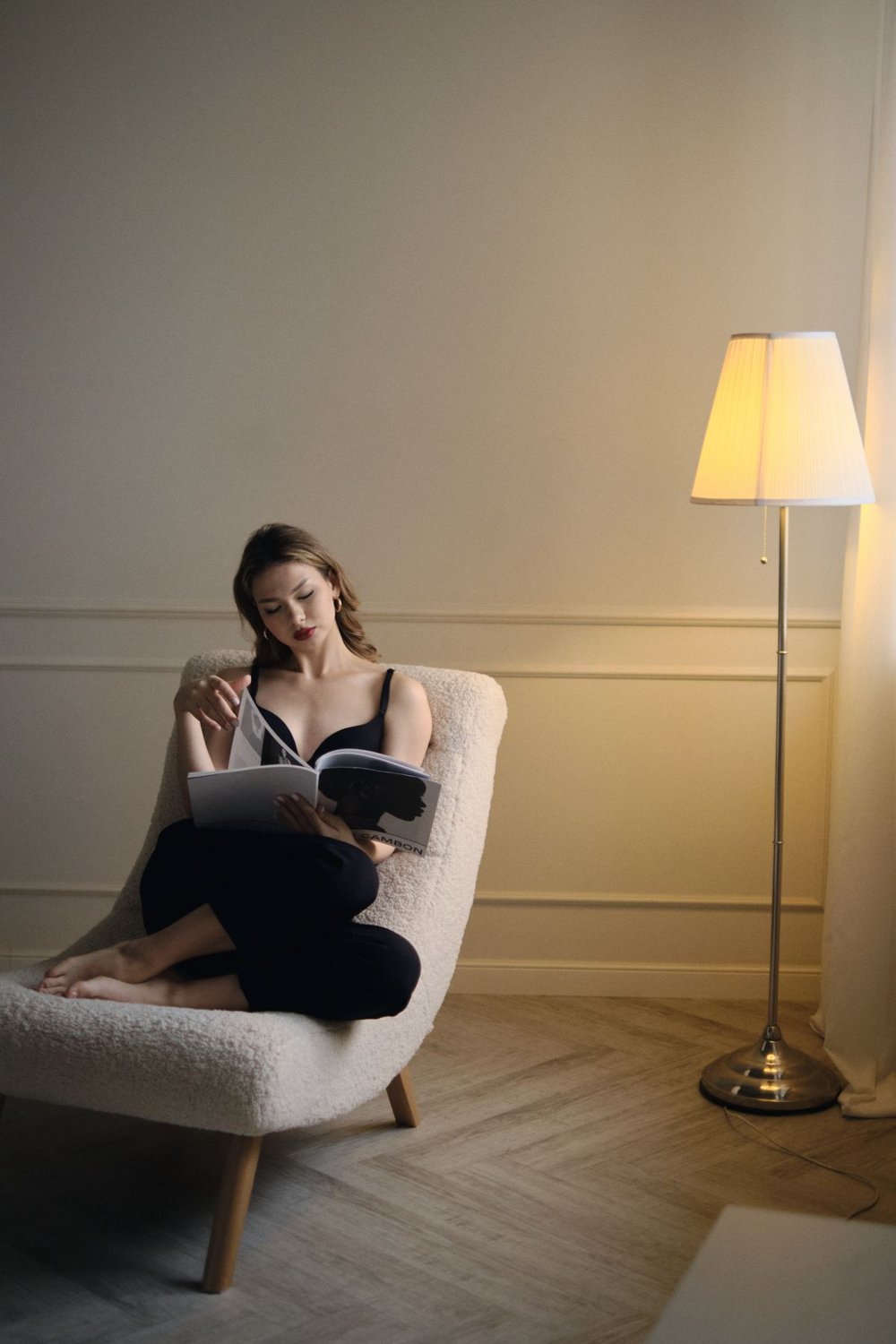
The chair is only one part of the corner. Test the light, reach and interruptions at the time you actually read.
Everyday Living
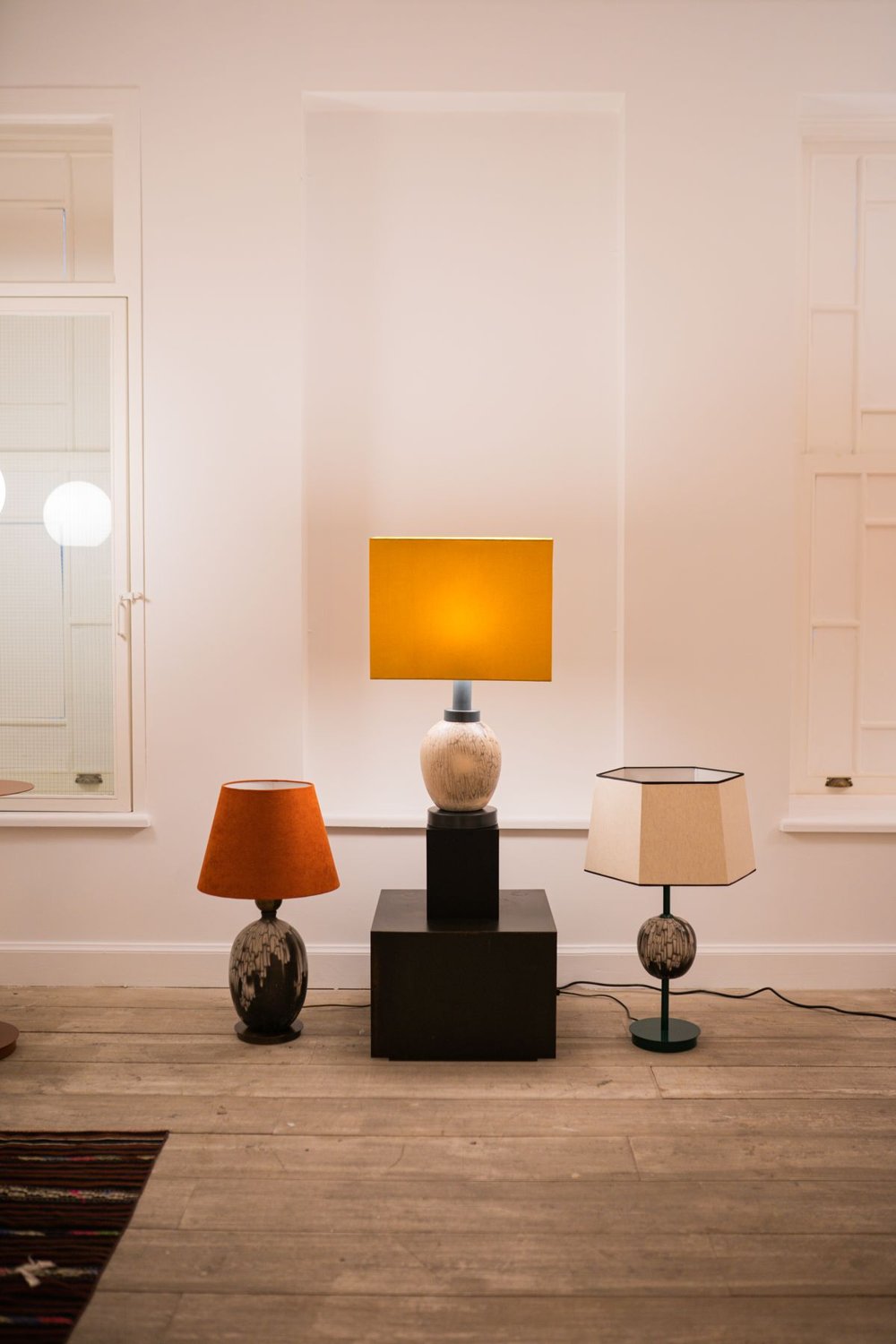
Try the room with each light on its own. The useful changes often become visible before you buy another lamp.
Everyday Living
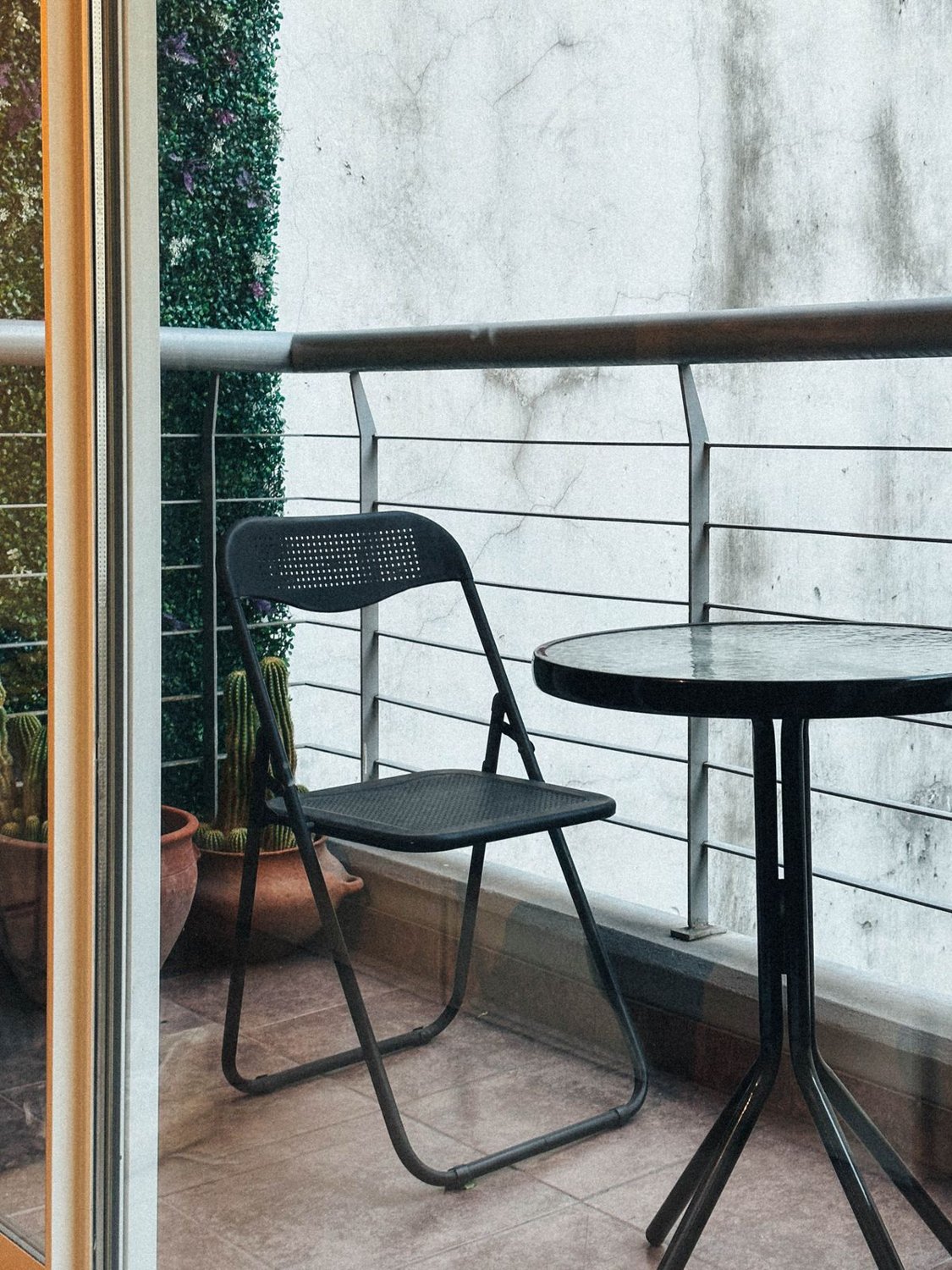
Start with a place to sit, a place for a cup and a clear way back indoors. Add the rest after using it.

Everyday Living
Make lunch one clear part of leaving the house, with the food, container and transport plan decided together.
Everyday Living
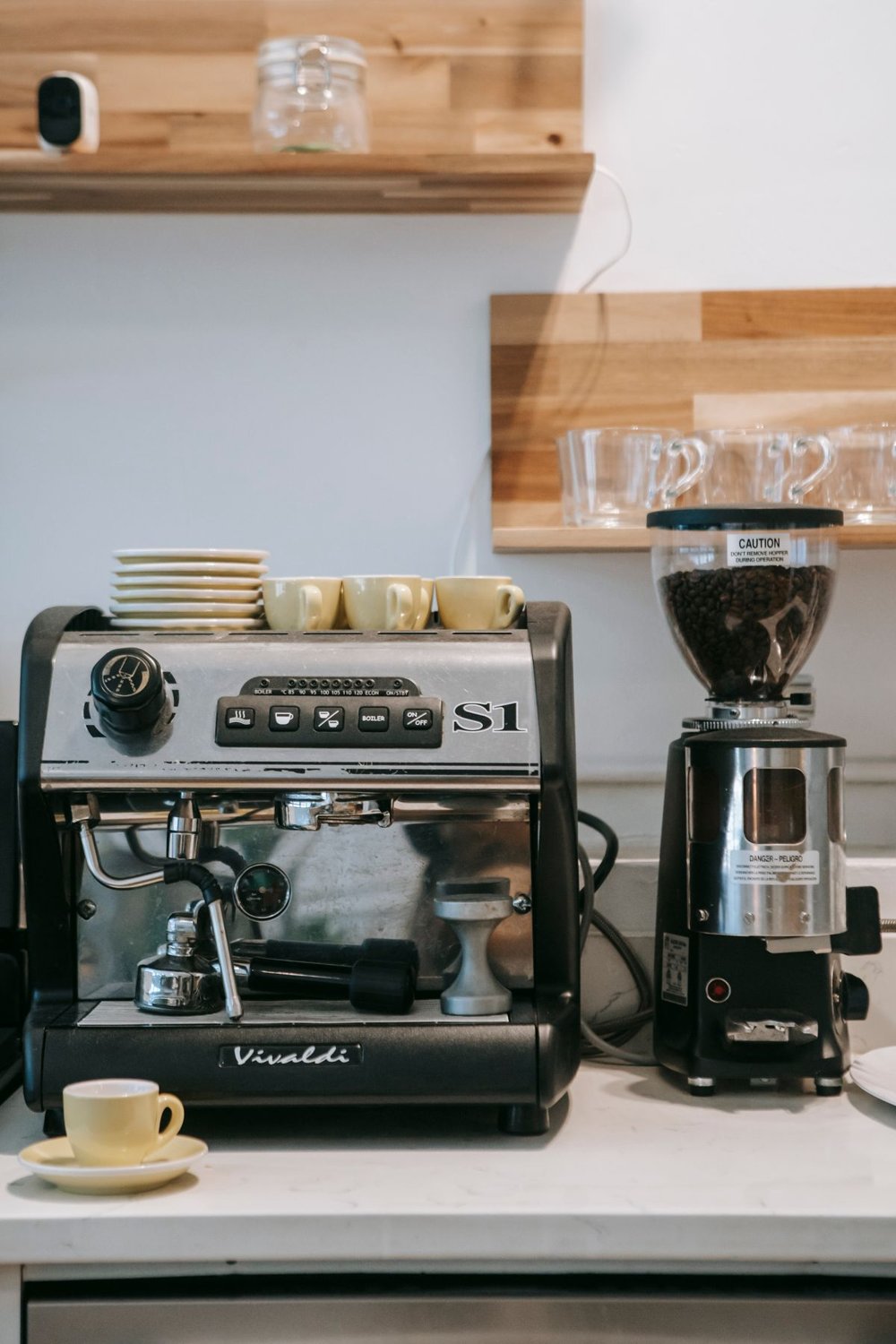
Give the making process enough space before arranging the mugs, jars and decorative objects around it.

Everyday Living
Leave room to browse while keeping the purchases connected to what you will use at home.

Everyday Living
Choose what you most want to see, then leave enough time for the journey, a pause and a slower look.

Everyday Living
A smaller area can give a short trip more continuity, with less time spent travelling between unrelated stops.
Everyday Living
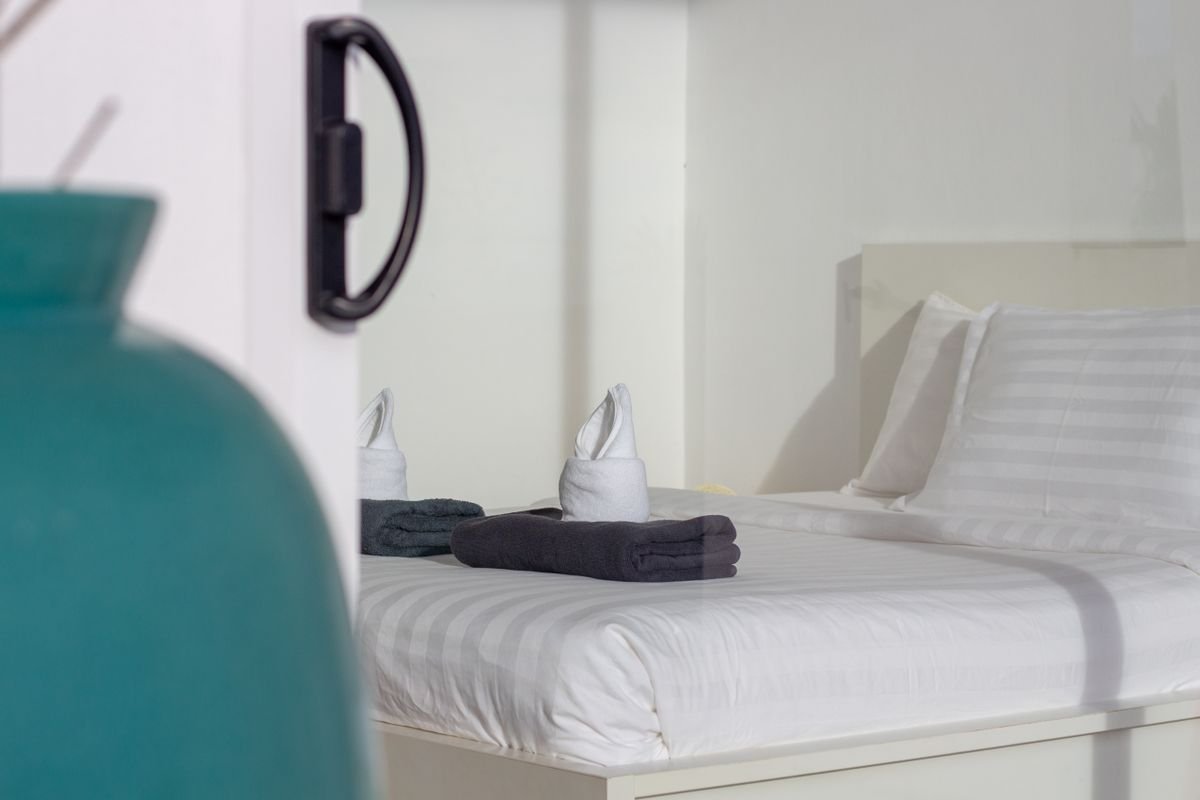
A guest needs a clear place for their things and a few answers they should not have to keep asking for.

Everyday Living
Choose the small preparation that removes a real difficulty from Monday, then leave the rest of the evening available.

Everyday Living
Save the combinations you can repeat, with enough detail to remember why they worked and little enough clutter to find them.

Everyday Living
A short pause helps separate an item you admire from one you want to make room for, pay for and use.
Everyday Living
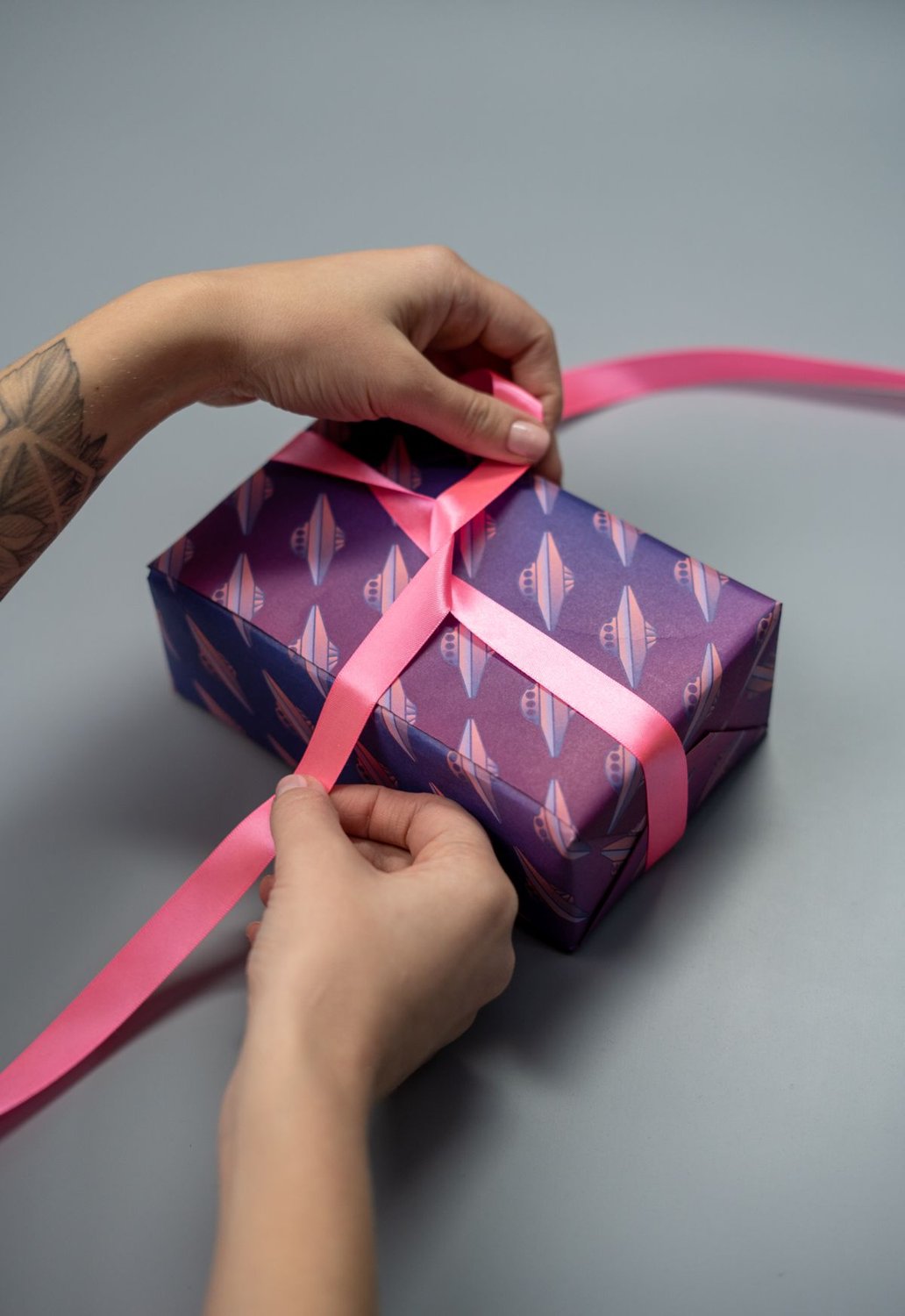
Begin with what the recipient enjoys and uses, then choose a gift that fits their circumstances rather than an imagined version of them.
Everyday Living
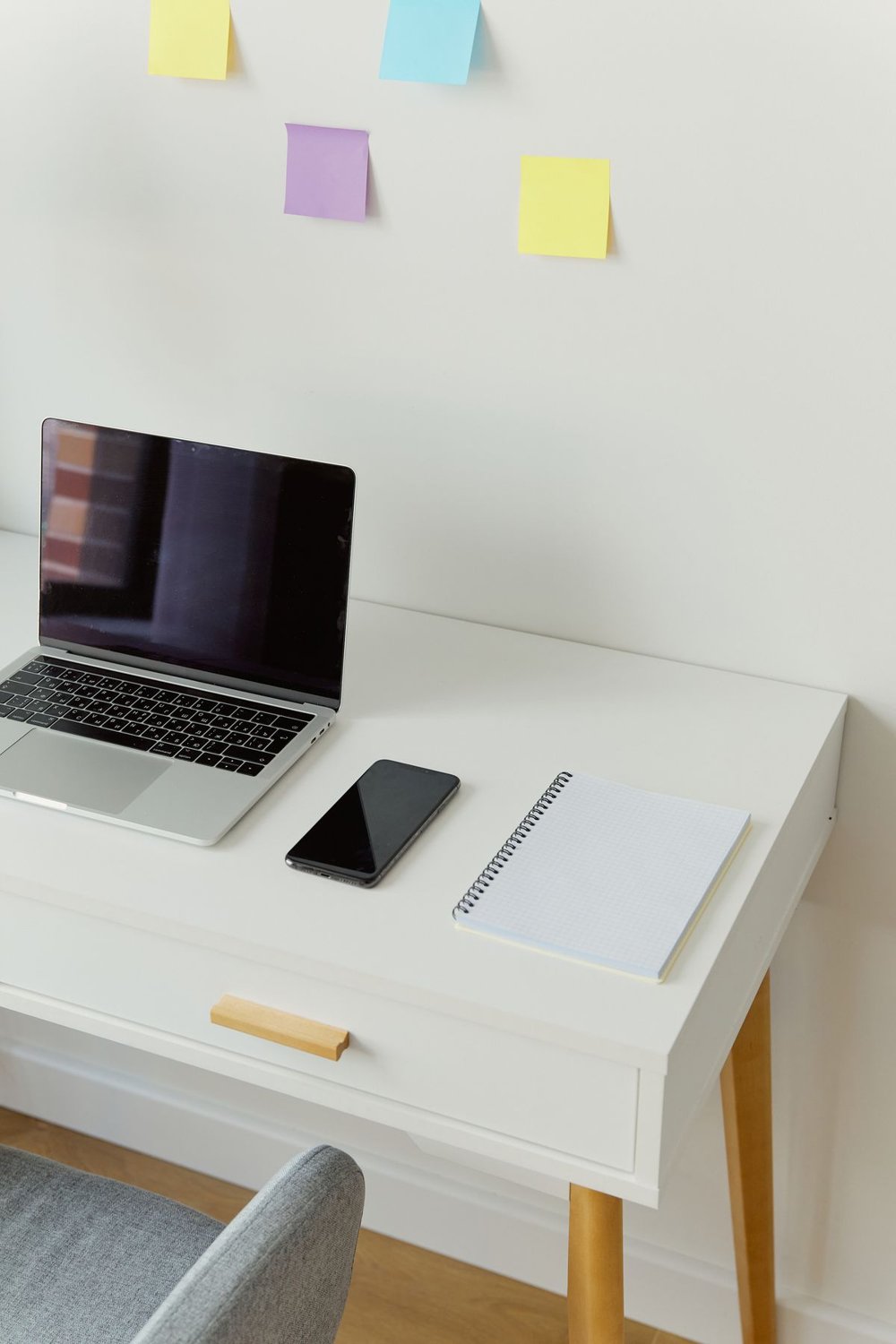
Clear enough space for the next task, and give the things you move a destination so the clutter does not simply migrate.

Everyday Living
Keep the evening small enough that the host can join it. Seating, timing and a manageable menu do more than a crowded table.

Everyday Living
A keepsake is easier to enjoy when you know how it will fit into your home before you bring it back.

Everyday Living
Use a notebook to catch the small details that disappear between an idea, an errand and the end of the day.
Everyday Living
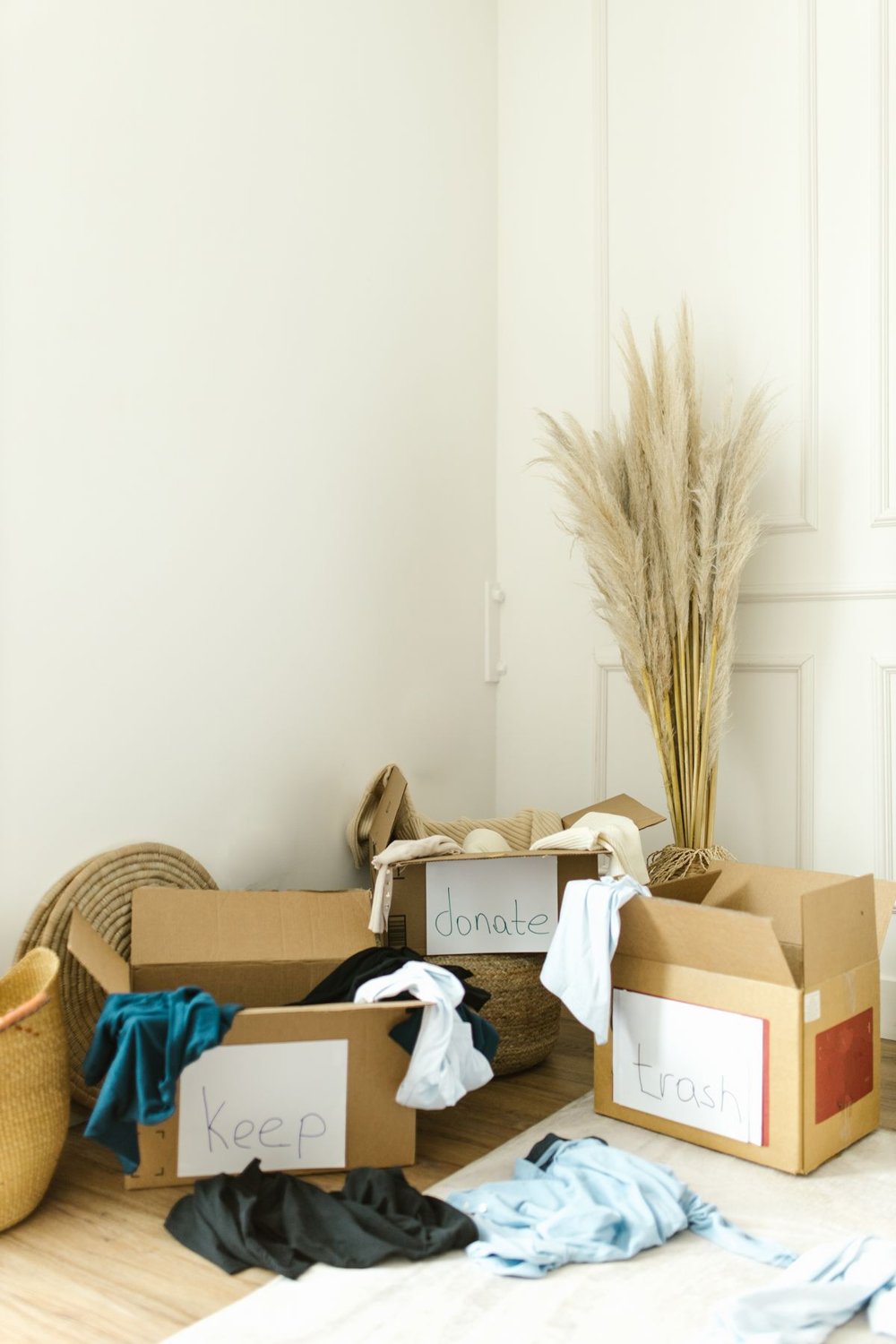
A brief monthly review can resolve a few unfinished decisions without becoming another full-house organising project.