Save the item without buying it
When something catches your attention, keep the product link or write down its name. You do not need to leave it in a checkout basket to remember it. Note what appealed to you: the colour, the shape, a useful feature or the way it appeared in a photograph.
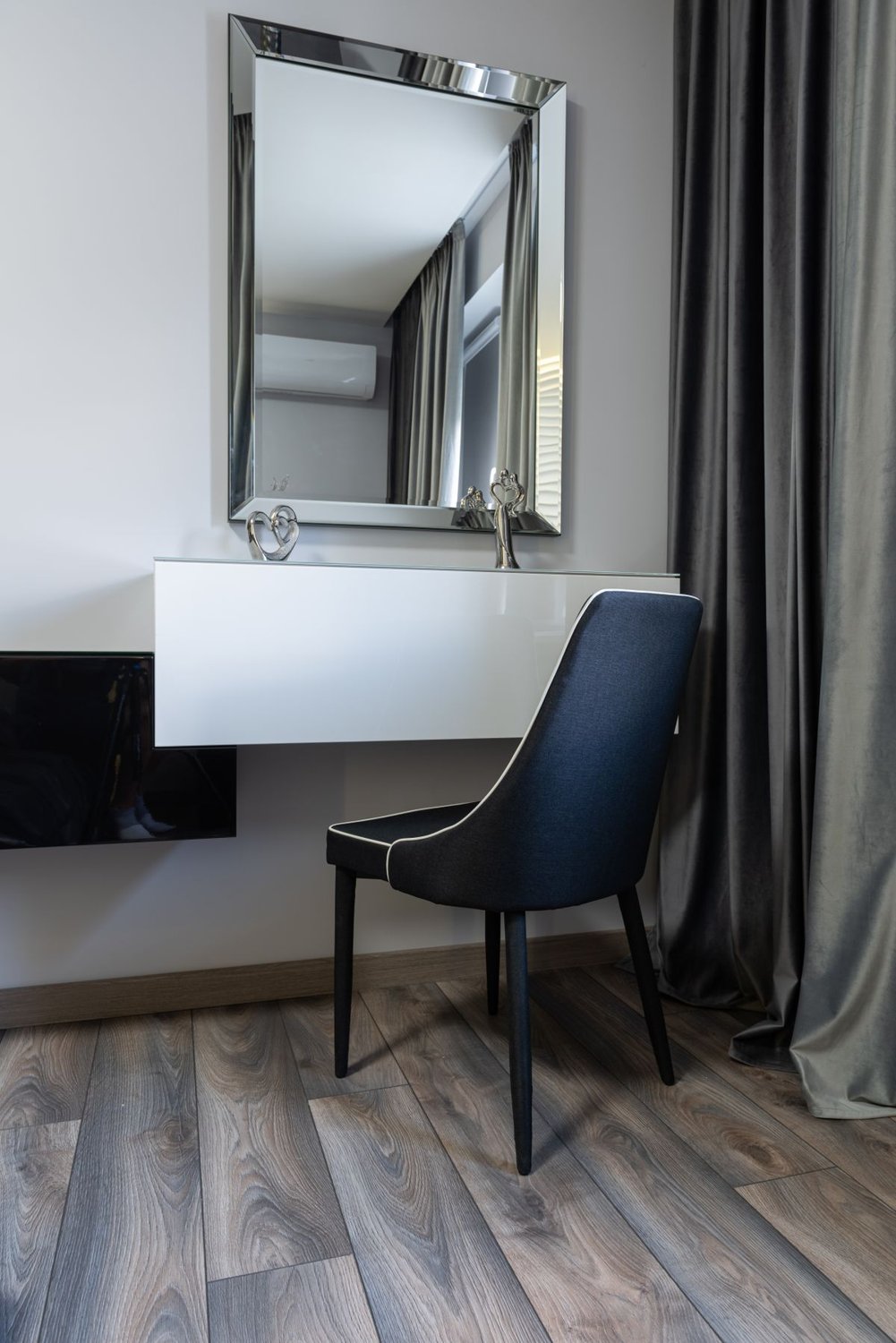
That small description is valuable later. Sometimes the desire belongs to the image as a whole rather than to the object being sold. A beautiful room does not establish that its lamp suits your bedside table, and an outfit photograph does not tell you how a jacket feels when you sit down.
Return with a specific question
After a pause, look at the item in the context of what you own. For clothing, identify a few existing combinations rather than imagining a second purchase to make the first work. For a home item, measure the space and consider where the thing currently occupying it will go.
Check the details that the first impression leaves out. Fabric composition, dimensions, care requirements, delivery costs and the seller's current return conditions can all affect whether the item suits your circumstances. Read those terms directly; do not assume they match another shop or a previous order.
Give urgency a name
A limited offer or a low-stock message can make the decision feel time-sensitive. Ask whether the item would still interest you without that prompt. It may, but the answer should come from its usefulness or appeal, not solely from the possibility of missing it.
The pause does not need one fixed duration. An inexpensive replacement for something used every day may require little thought. A larger purchase, a duplicate or an unfamiliar style deserves more space. Decide on a waiting period that is proportionate rather than turning every purchase into a lengthy exercise.
Check what the purchase would replace
If the item fills a genuine gap, describe that gap in one sentence. A coat that fits over work clothes in rain is a defined need. Something to make the wardrobe feel different is much broader and can be satisfied by many purchases without resolving anything. The narrower description helps you compare alternatives and recognise when an item does not meet it.
For a replacement, inspect the existing object. Is it worn beyond repair, unsuitable for a changed routine or simply less exciting than the new one? Repair and continued use may remain options. You can still choose something new, but understanding the reason keeps the decision connected to your circumstances.
Consider the full cost of making the item usable. A garment may need alteration, a lamp may require a suitable bulb, and an object for travel may need a separate case. Include those requirements in the decision instead of treating the displayed price as the whole commitment.
Finally, decide where the replaced item will go. Keeping both can be reasonable, but calling a purchase a replacement does not automatically prevent accumulation. A departure plan makes that description accurate.
Let a no remain useful
If you return to the saved link and no longer want the item, remove it from the list. That is a completed decision, not a failed opportunity. If you still want it and the details fit, you can buy with a clearer idea of what it will do in your life. The purpose of the pause is to make that distinction easier.