Take a short list of uses
Instead of writing a long list of objects, note a few things the visit might solve. You may need vegetables for two dinners, flowers for a small vase or a replacement for a worn kitchen item. These purposes help you recognise a useful purchase without dictating every stall you visit.
Check opening information from the market's official source before travelling, especially if the visit depends on a particular day or trader. Consider the journey home as well as the outward trip. A large or fragile purchase becomes less appealing when you remember the crowded bus it must travel on.
Leave the first pass open
Walk through before buying if the market's layout and your time allow. Notice what is available and where you may want to return. This gives you a little distance from the first appealing display and makes it easier to compare quantities or sizes.
Ask straightforward questions about an item when the answer affects your decision. For food, keep allergy and storage needs in mind. For clothing or household objects, check condition and ask about any return arrangements before paying. Do not assume that every stall operates like a larger shop.
Give the bag a realistic limit
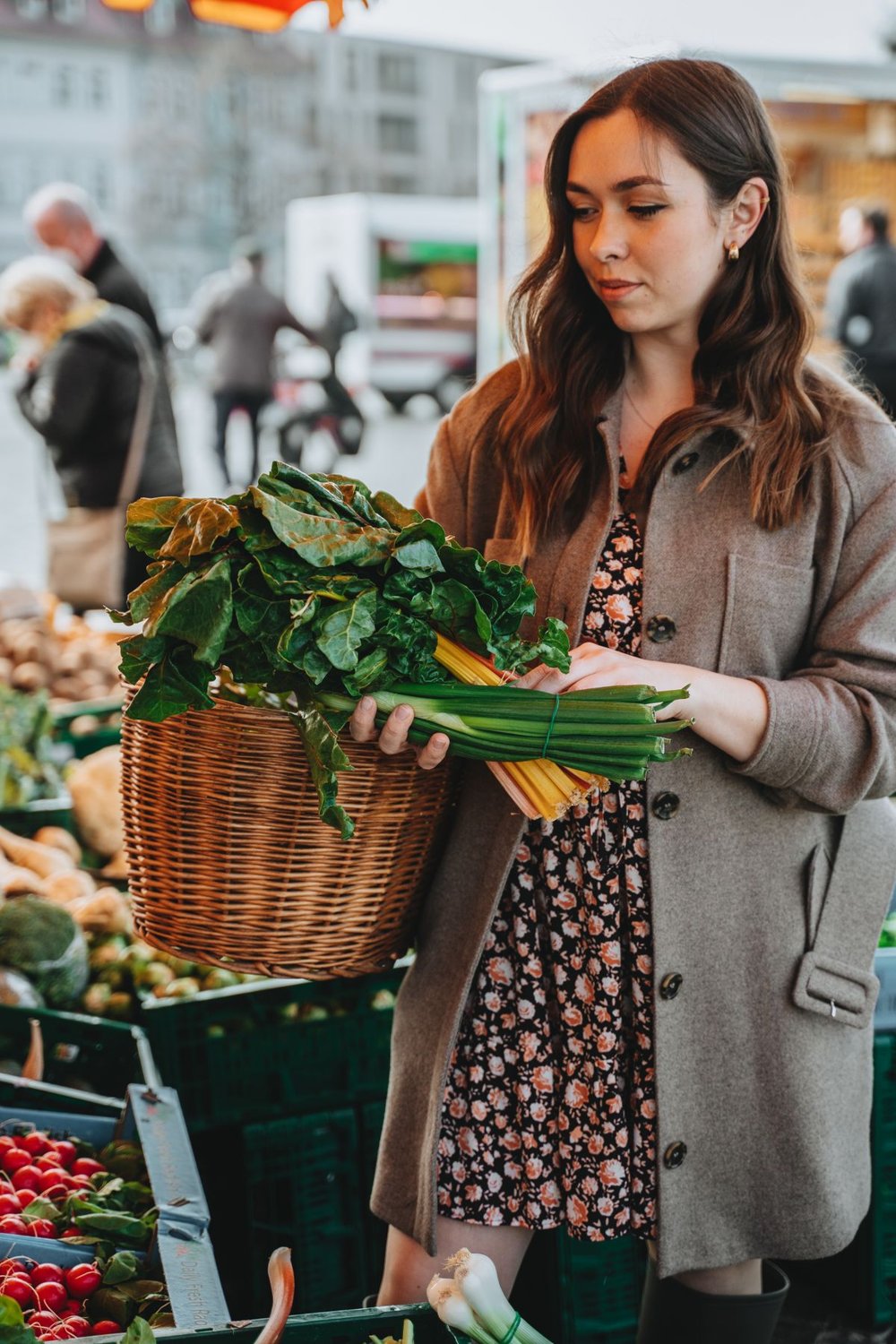
Bring suitable bags and keep fragile items separate from heavy ones. A basket can be pleasant to carry but awkward for a long journey if it becomes too full. Choose the container for the route and likely purchases rather than the image of the morning you have in mind.
Decide what amount of browsing money you are comfortable spending. You do not have to spend it all. A limit simply lets you consider an unexpected item without renegotiating the whole visit at every stall. If a purchase would need several other purchases to become useful, pause before treating it as a bargain.
Imagine the item at home
For a vase or decorative piece, name the place it would go. Check its dimensions against that space. For clothing, think of an outfit already in your wardrobe. For food, identify when you will prepare or eat it and how it needs to travel and be stored safely.
This does not remove spontaneity. It gives an interesting find a chance to become part of your life instead of an object still in its bag a week later. A small bunch of flowers that fits the vase you own can bring more pleasure than a larger arrangement you have nowhere to put.
Make time to stop without buying
A market morning can include a walk, a conversation or a drink without each part ending in a purchase. Leave enough time that browsing is not a race through the stalls. If you are meeting someone, choose a recognisable meeting point rather than relying on finding each other in the crowd.
Before leaving, check that you have everything you paid for and the information you may need about care or storage. At home, unpack promptly, putting food away as required and giving other purchases their intended places. A successful visit can produce a small useful bag, or no bag at all, with the morning itself still worth having.