Pick a reason for this visit
A large museum can offer more than anyone can comfortably absorb in one day. Choose one reason for going: a particular exhibition, a collection you have not seen or time with a friend in a place you both enjoy. This gives the visit a centre without turning it into a list of rooms to complete.
Look at the museum's official website for current opening hours, tickets, temporary closures and any booking requirements. Check the actual date you plan to go. A general search result may describe normal arrangements without reflecting a change for an exhibition or event.
Make the arrival easy
Work out the route to the correct entrance, not merely the building's address. Larger sites may have different entrances for exhibitions or access needs. Check official accessibility information and contact the venue if an important detail is unclear. It is easier to resolve that question before travelling than at a crowded ticket desk.
Leave a little margin around a timed booking. The aim is not to arrive so early that you become tired before entering, but to allow for finding the entrance and any admission process. Keep the booking details where you can retrieve them without emptying your bag.
Check the museum's bag, food and photography policies. Bring only what you need and use the cloakroom or lockers if available and suitable. A bag that feels light at the station can become inconvenient after an hour of standing. Comfortable familiar footwear is a better companion than a pair you have not yet tried for this kind of outing.
Give the first room time
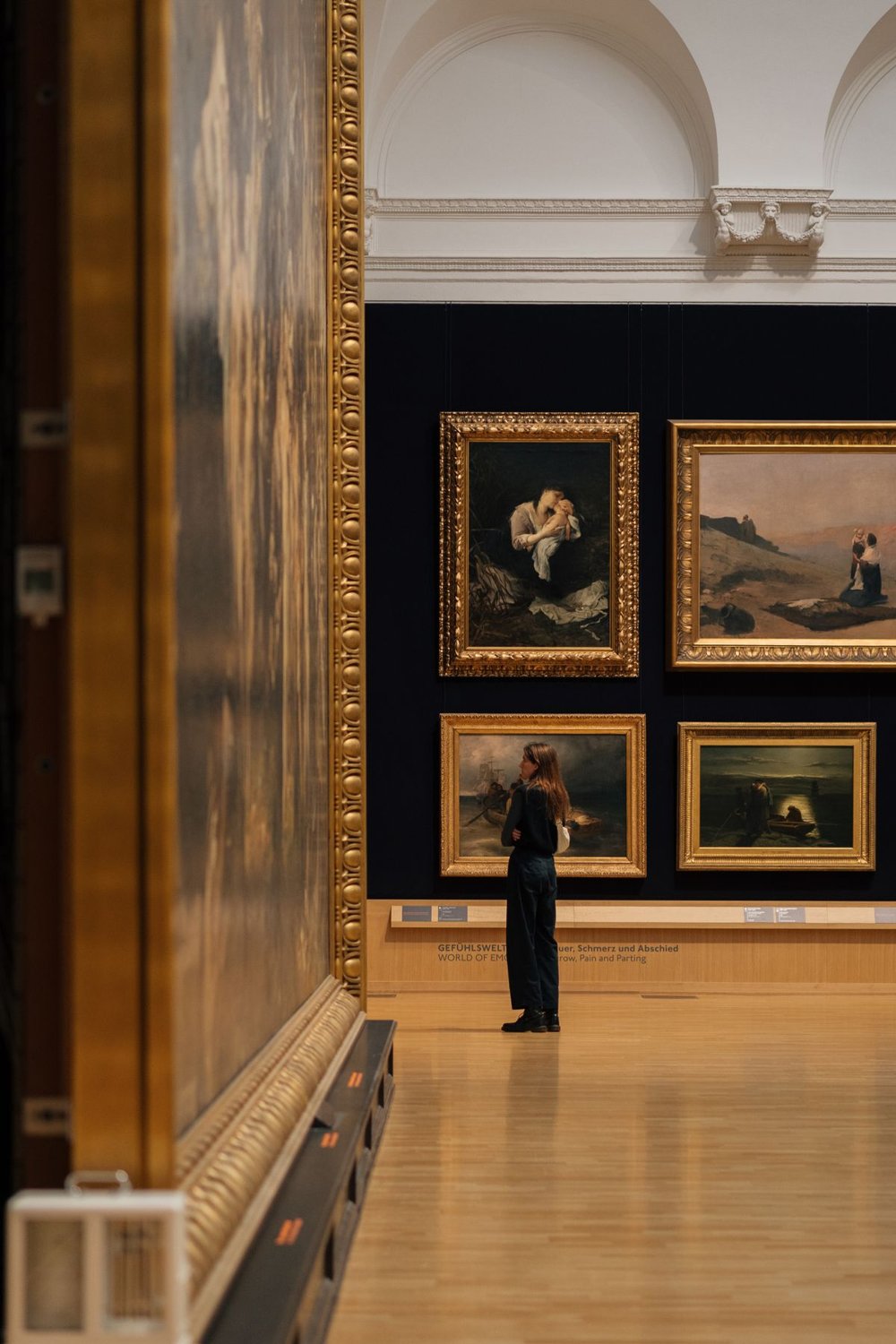
On arrival, resist the urge to hurry towards everything you marked on the map. Spend a few minutes looking at one object or work that catches your attention. Read the label if it helps, then look again. You do not have to understand every reference before you are allowed to notice a colour, material or small detail.
If you are with someone, agree that you do not need to move at exactly the same speed. A meeting point in the next room can make the visit more relaxed, provided the venue layout and your circumstances make that sensible. Ask what the other person noticed instead of comparing how many things each of you saw.
Plan a pause as part of the visit
Check where seating and permitted refreshments are available. A break can help you decide whether to continue or leave. It should not be treated as time stolen from the collection. If the museum café is busy or unsuitable for you, identify another option nearby using current information before relying on it.
For a two-hour visit, you might spend the first part in the exhibition you came for, stop briefly, then choose one additional room. That is only an example. Your pace, access requirements and interest should set the shape of the day. Leaving with energy to think about what you saw can be preferable to staying until every room becomes a blur.
Decide what to record
A photograph can help you remember a work where photography is permitted. A short note can capture a question or the artist's name without turning the visit into constant phone use. Record the label details accurately if you want to look something up later. Follow restrictions and avoid obstructing other visitors for a picture.
You can also keep no record at all. Choose one thing to remember and let the rest remain part of the experience. The shop may offer books or postcards, but a purchase is not required to make the visit count.
Leave the rest of the day breathable
Avoid placing another demanding booking immediately afterwards unless you know the timings work. A walk, a drink or the journey home can give the visit room to settle. Before leaving, check that you have collected anything from storage and know your route back. You do not need to finish the museum; you need to leave having spent worthwhile time with the part you chose.