Sit there after sunset
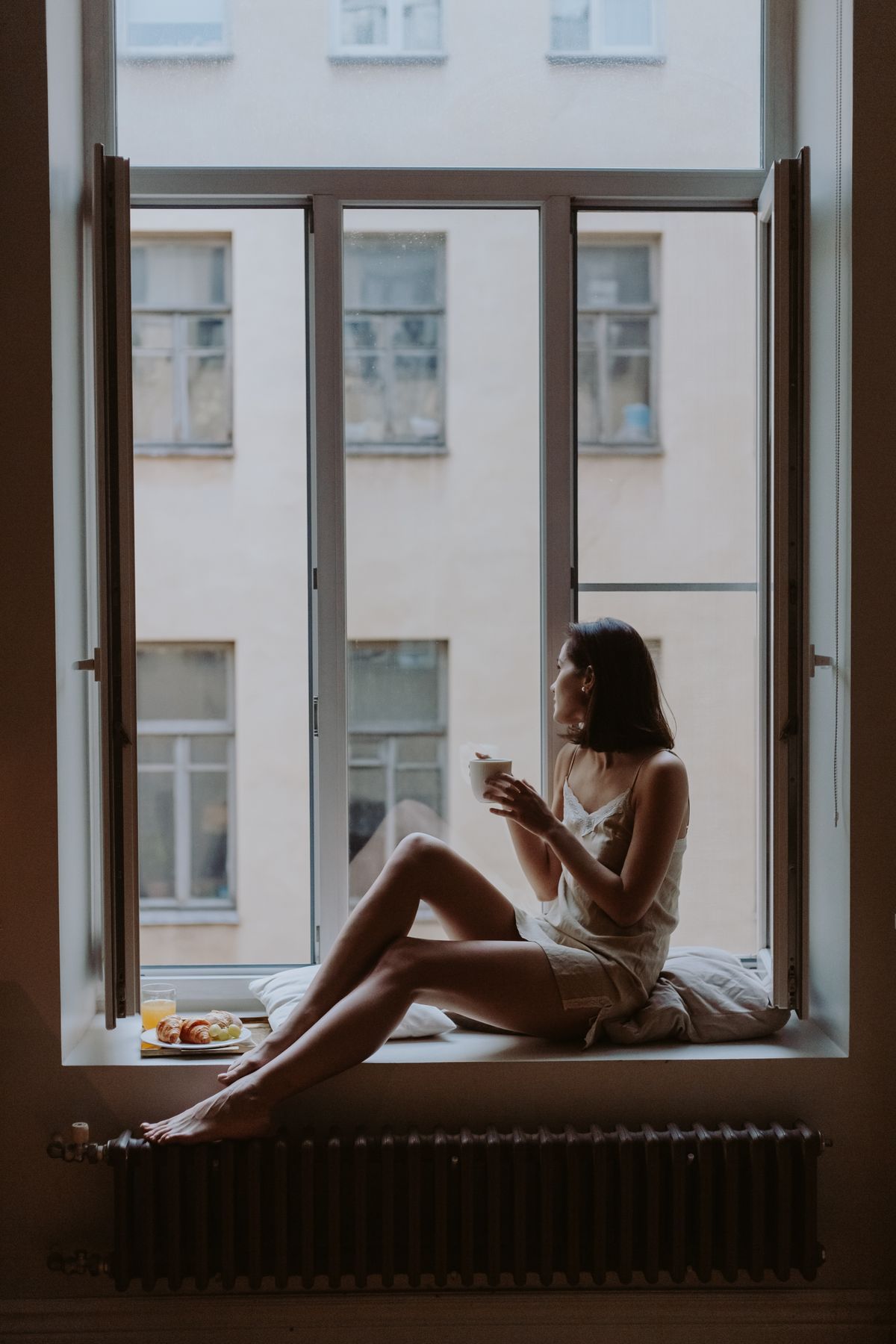
A corner beside a window may look ideal during the day and become unusable once the light fades. Test it at the hour you expect to read. Bring the book, wear your usual glasses if relevant and stay long enough to notice whether you are shifting towards the light.
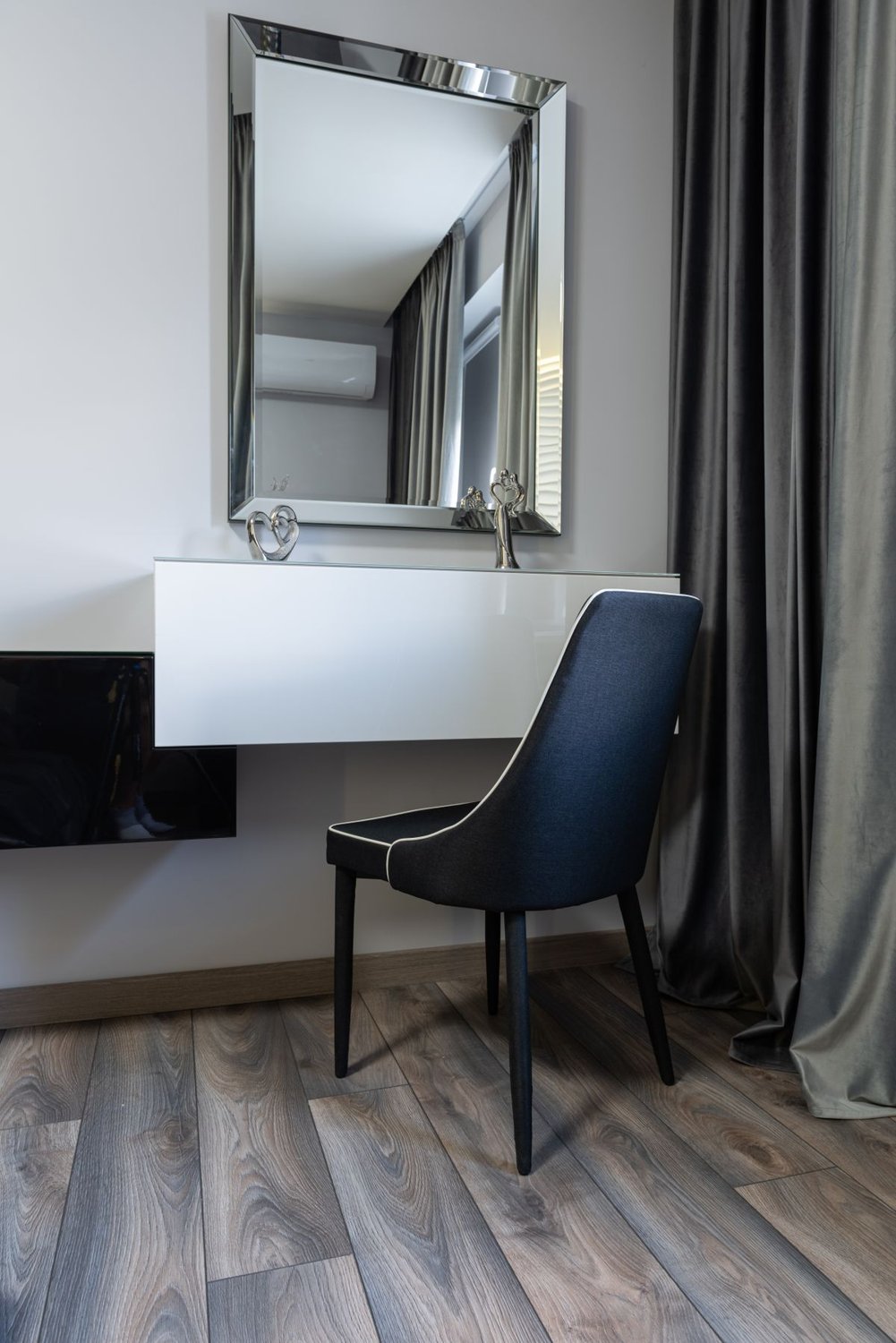
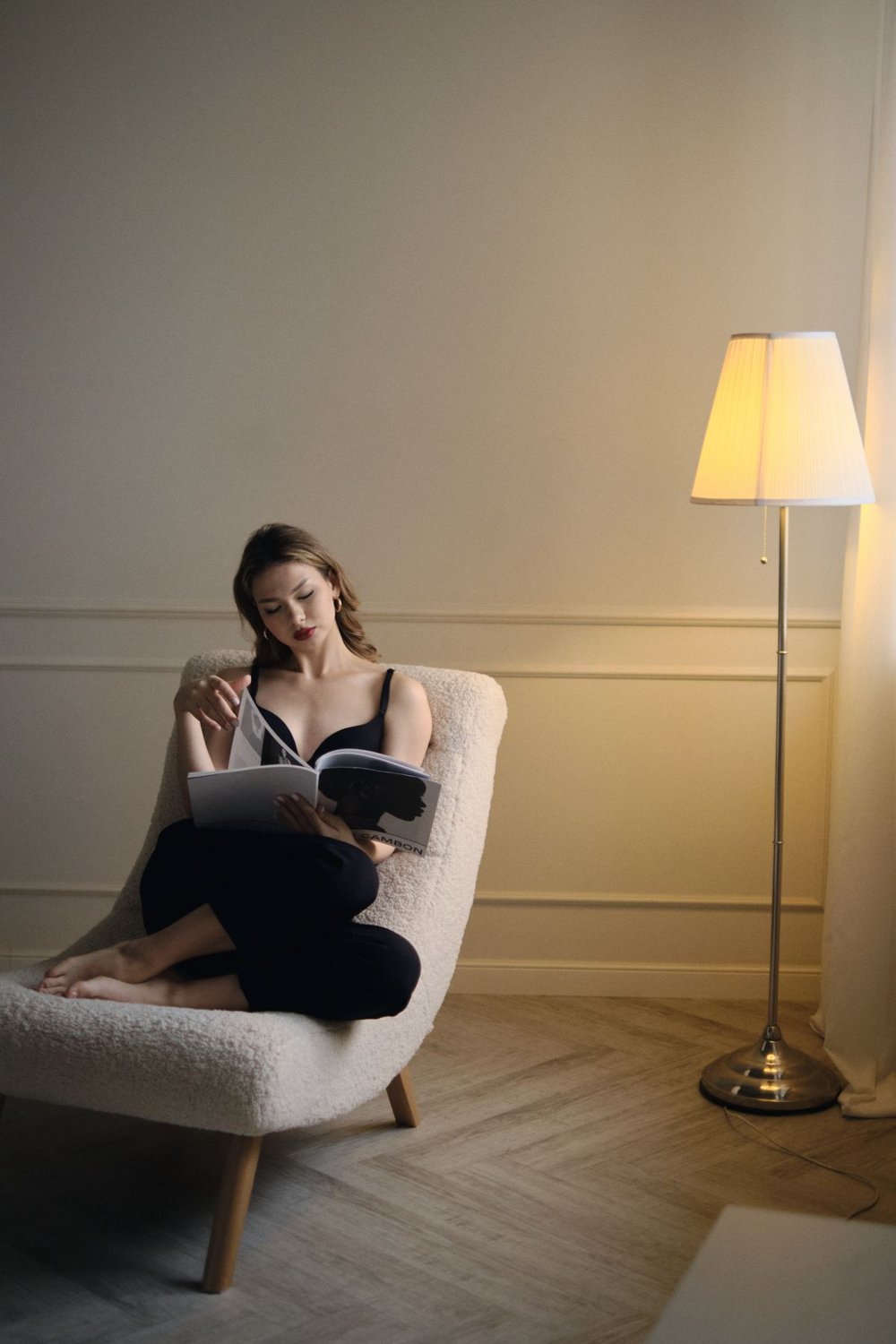
The chair should suit the way you sit, not a photograph of a reading nook. You may want feet on the floor, a footstool or space to curl up. Use what is comfortable for you. If the chair is regularly occupied for another purpose, decide whether sharing it works rather than buying furniture for an imagined uninterrupted hour.
Put light on the page
Try the existing lamp in a different position before buying another. Check that the page is lit without the bare bulb shining directly into your eyes. Your hand or shoulder should not cast an inconvenient shadow over the area you are reading. The exact position depends on the chair, lamp and your posture.
Use bulbs and fittings as their instructions allow, and keep cables out of the walking route. Avoid placing fabric over a shade to change the light. If a fitting needs electrical work, use an appropriate professional rather than making an improvised adjustment for the corner.
Give the book somewhere to land
A small table or secure nearby surface is useful for the book, glasses and a drink. Test the reach from the chair. If you must lean across a lamp or put the cup on the floor, the arrangement is not yet working. Protect surfaces according to their material and keep drinks away from electrical equipment.
You do not need a large bookshelf beside the seat. A few current books can be enough. An unstable stack of everything you hope to read turns the corner into storage and can make choosing a book feel like another task.
Consider the room around it
Notice the television, household traffic and other regular sounds. A corner cannot remove every interruption, but its position can reduce some of them. Turning the chair slightly away from a busy route may help you feel more settled without changing the room completely.
If several people use the room, agree on what is realistic. Headphones, a different time or a shorter reading session may be more useful than furniture. The corner should fit into the household rather than require everyone else to disappear when you sit down.
Add comfort only where needed
A cushion can improve a particular seat; several may leave nowhere to sit. A blanket is useful if the room is cool and has a place to go afterwards. Add these objects in response to the time you spend there, not as compulsory signs that the corner is finished.
After a week, keep the parts you used and remove what remained decorative. The success of a reading corner is visible in the book being opened there, not in how many objects announce that reading is meant to happen.