Give the folder one purpose
Decide whether you want to record your own outfits or collect ideas from elsewhere. Those two collections can overlap, but keeping them distinct makes each easier to use. Your own outfit photographs answer what can I wear today; inspiration images may answer what would I like to try later.
Start with a folder or album you already know how to use. You do not need a new wardrobe application before recording three useful combinations. The simplest tool that lets you retrieve the images is a reasonable starting point. Check its privacy and backup settings if the photographs or notes contain information you would not want shared.
Photograph the whole usable combination
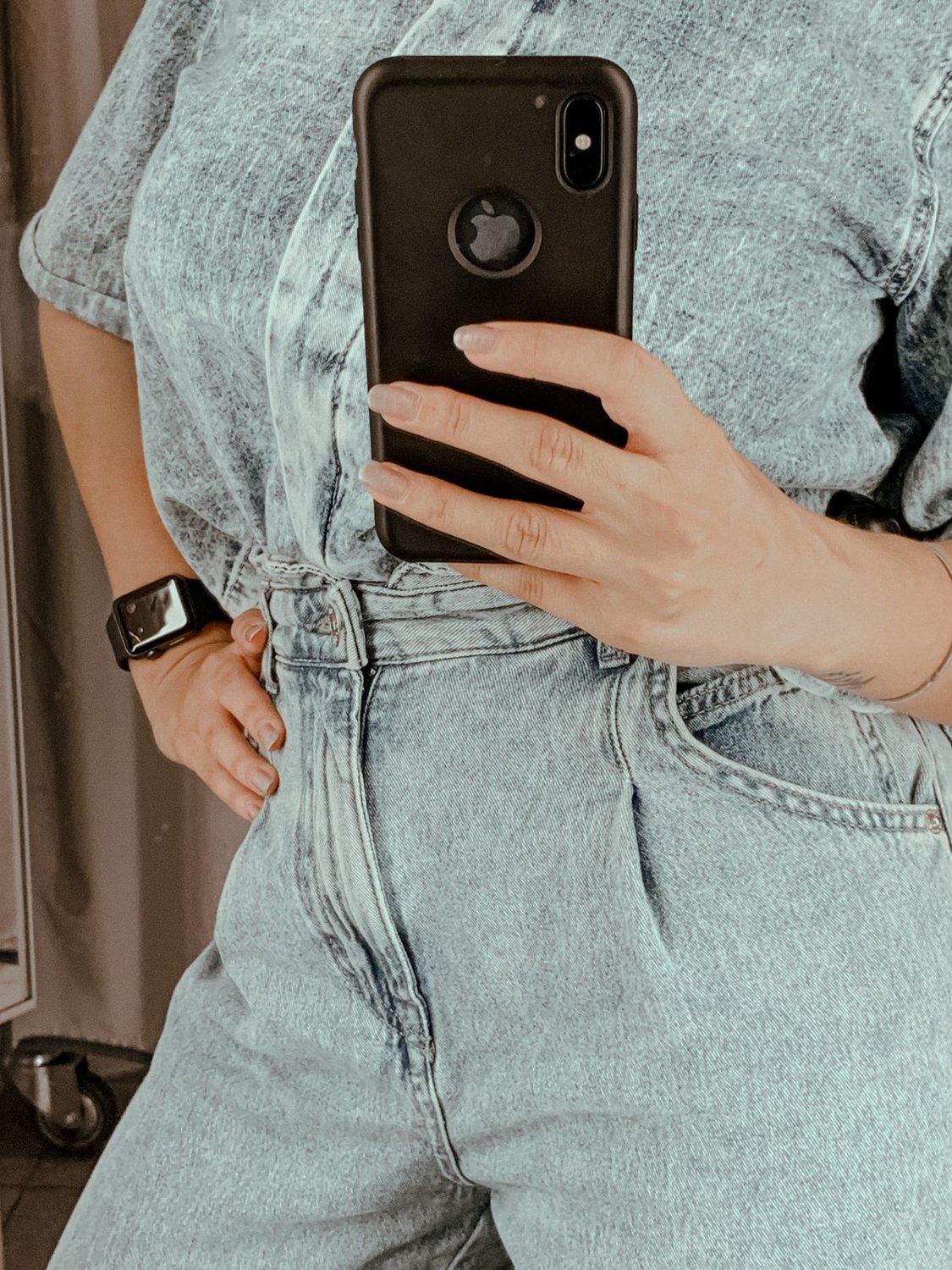
Include the shoes and outer layer when they matter. A photograph of a shirt and trousers may leave you repeating the same decision about a coat every time. You can take a mirror picture, lay the clothes out or use a brief written note. Choose the method that takes little effort and gives you enough information later.
Use clear ordinary light where possible. You are making a record, not a polished fashion shoot. Avoid changing the image so much that the colours no longer resemble the clothes. If you photograph near a mirror, check the background for personal information before sharing the image anywhere.
Add the reason it worked
A short note can carry what the image cannot. You might write comfortable for the train, sleeves fit under this coat or use the thin socks with these shoes. These details help you repeat the combination under the right conditions.
Record problems too. If the hem catches on the boot or the bag is too small for your glasses case, note that while you remember. Otherwise, an attractive photograph can send you back to an outfit that was inconvenient in practice. The folder should preserve useful experience, not only the best-looking moment in a mirror.
Use a few meaningful groups
Begin with broad groups you will actually search, such as work, weekend and evening, or warm weather and cold weather. Avoid creating so many folders that saving a photograph requires another decision. You can add a group when the existing collection becomes difficult to browse.
If your tool allows searchable captions, a few garment names may be enough. Grey trousers, blue shirt and loafers are more useful than a vague label such as nice outfit. You do not need to catalogue every fibre or purchase date unless that information serves another purpose for you.
Keep inspiration separate from shopping
An image you like does not automatically identify an item you need to buy. Ask what part attracts you: the proportion, colour relationship, layering or one accessory. Then see whether your own clothes can reproduce that idea. Save a note about the relationship instead of immediately adding several products to a wish list.
For example, a photograph may appeal because a short jacket sits above wide trousers. You might already own pieces that create a similar balance, even if their colours and brands differ. Trying that combination is more informative than saving twenty near-identical images without acting on any of them.
Remove what no longer helps
Review the folder when clothes leave your wardrobe or the season changes. Archive or delete combinations you cannot repeat, unless you want them for another clear reason. Remove duplicate photographs and keep the view that shows the outfit best. A small collection is easier to use while getting dressed than hundreds of unlabelled images.
Open the folder on an ordinary morning and see whether it helps you choose. If you still cannot find anything, simplify the organisation or add the missing practical notes. The record succeeds when it turns a previously solved outfit into an easy decision again, leaving you free to change a detail when you want to.