Think beyond the shop display
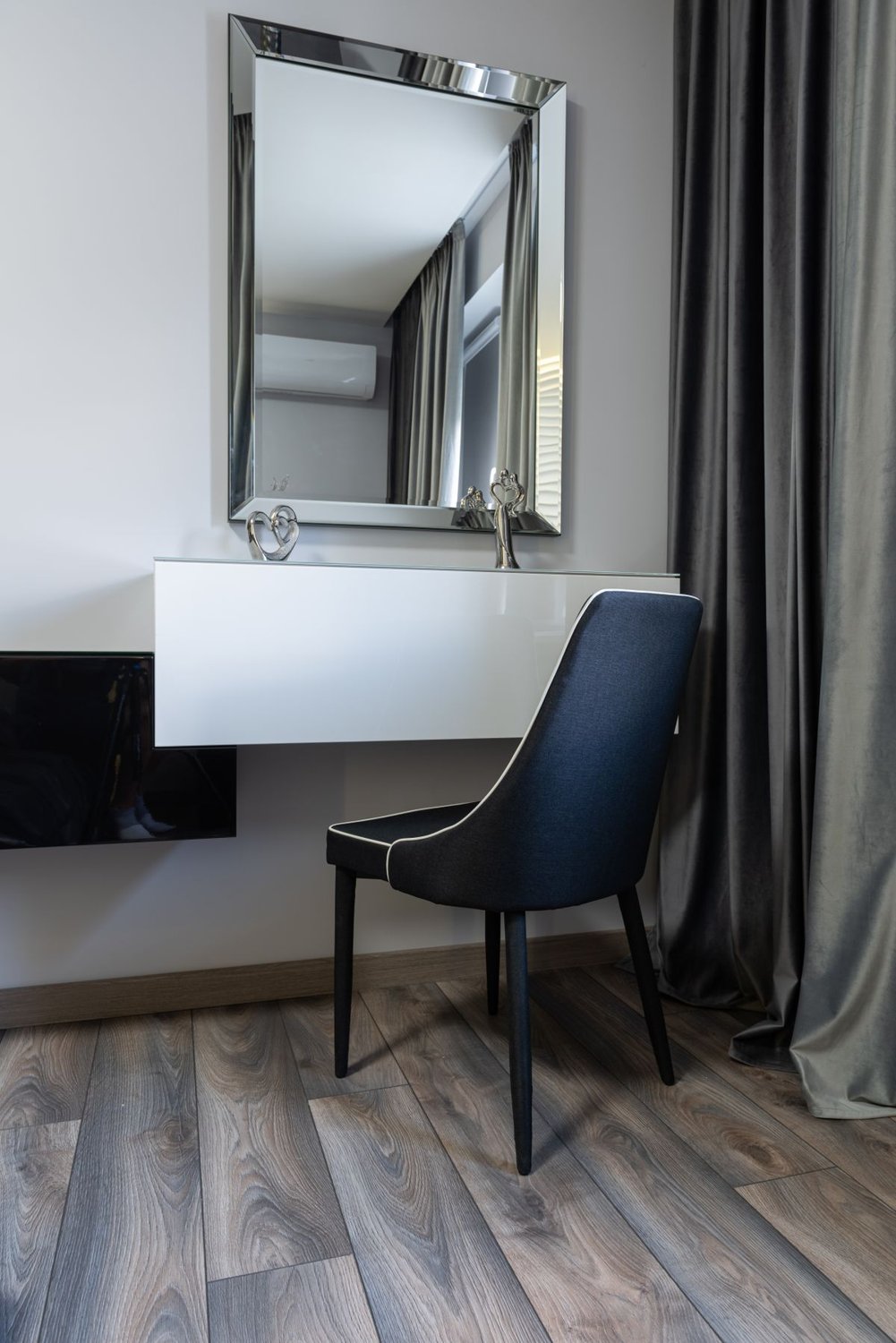
An object can feel inseparable from a place while you are standing there. At home, it will sit beside different colours, furniture and habits. Before buying, imagine its actual destination: a shelf, a drawer, a wall or an everyday use.
If the only answer is somewhere, pause. You may prefer a smaller object, a photograph or a written note about the place. A reminder does not have to be a decorative possession, and the most elaborate souvenir is not necessarily the one that preserves the clearest memory.
Choose something you will encounter
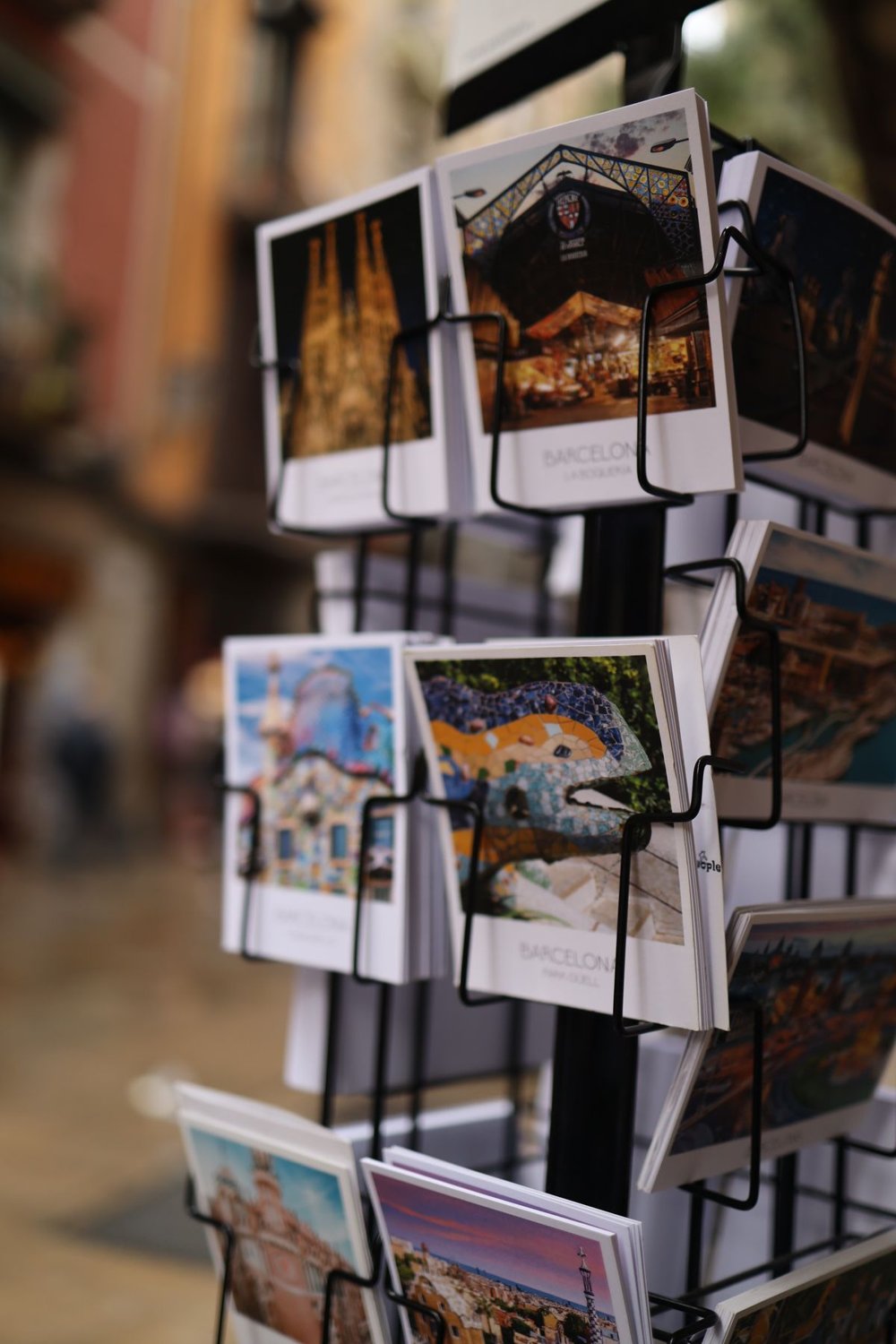
A cup used in the morning, a postcard kept where you write or a piece of fabric used in a project may remain part of daily life. A delicate item stored permanently in its packaging is encountered much less often. Neither is automatically wrong, but be honest about which kind of keepsake you want.
Check size, weight and fragility before paying. Consider how the object will travel and whether it needs protective packaging. For food, plants, animal products or other restricted materials, check the current official rules for your destination rather than relying on a seller's reassurance.
Keep a little context
Write down where you found the item and what you want to remember about that day. A date or place name on the back of a card can be enough. Without context, even a meaningful object can eventually become something you vaguely remember buying.
Do not feel obliged to bring a collection home from every stop. Repeating the same purchase can turn a personal choice into a requirement. Leave room to find nothing on a particular trip and still have enjoyed being there.
Give it its place soon
Unpack the keepsake and put it where you intended, or make the arrangement needed to use it. If it remains in the travel bag for months, reconsider whether it needs a different role. The value of the reminder comes from the connection it keeps available, not from how many objects prove you went away.