Look at the area, then the brush
The useful question is not whether you own every type of makeup brush. It is whether a tool reaches the area you want without spreading product somewhere else. A large head may suit a broad sweep of powder but feel clumsy beside the nose. A smaller head gives more local control, though it may take longer over a large area.
Look at the tools you already use before shopping. Which one asks you to correct its edges repeatedly? Which feels comfortable and predictable? This helps separate a missing function from the appeal of a matching set.
Compare the edge of the bristles
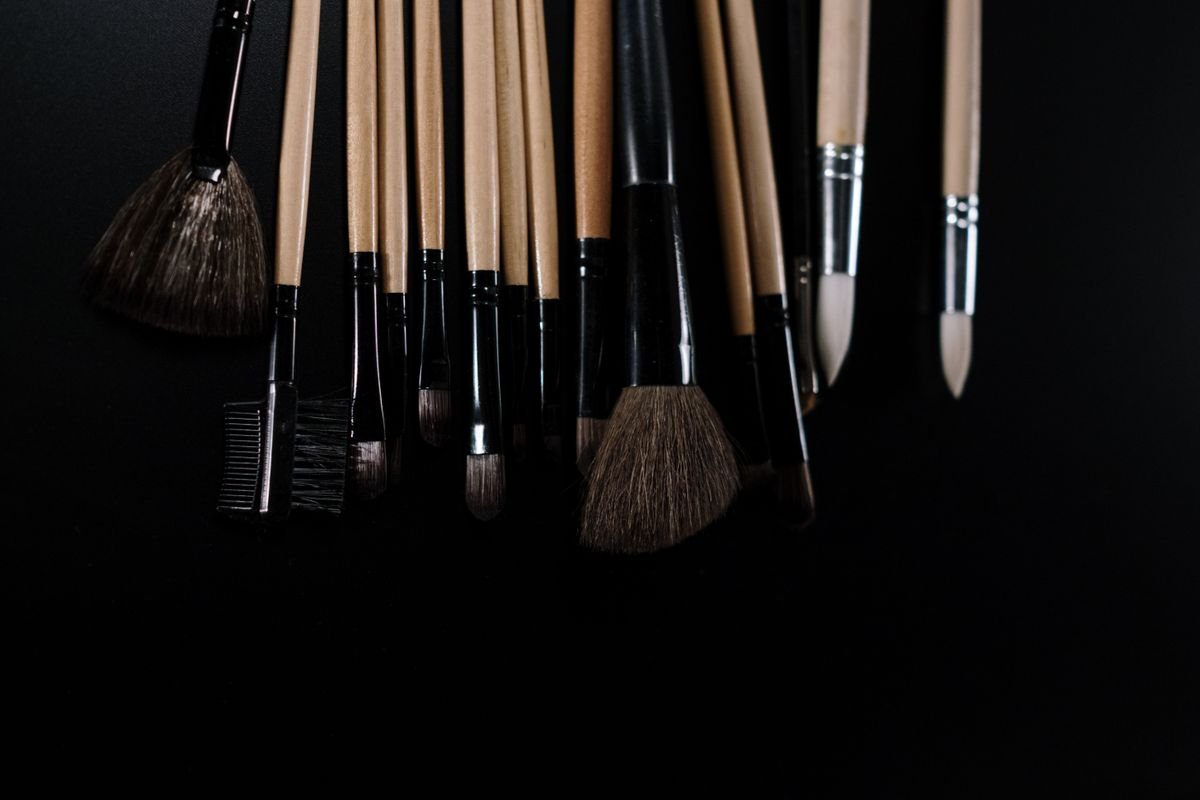
A rounded head can soften a boundary; a flatter edge can place colour along a narrower line. A tapered point may help you reach a small area. These descriptions are starting points rather than guarantees because density and flexibility also change the result. Two similarly shaped brushes can behave differently when one is much firmer.
Test gently on the back of a clean hand if the retailer permits a hygienic demonstration. Notice how far the bristles spread with light pressure. If the head fans out much wider than the area you want to cover, you may need a smaller tool or a lighter hand. Avoid choosing a brush that feels scratchy merely because the shape seems right.
Match it to the formula
Read the product and brush guidance for the kind of formula you intend to apply. A tool sold for cream foundation may not produce the same effect with loose powder. You can experiment within the manufacturers' intended uses, but there is no advantage in treating an awkward combination as a skill you must master.
Consider cleaning before adding several tools. A brush used with a creamy product can need more attention than one used occasionally with dry powder. If you want to keep the routine small, choose tools for the products you actually use instead of future techniques you might try.
Work out a small set
For one person, a powder brush and a small detail brush may cover most days. Another may prefer separate brushes for blush and eye colour. The size of the collection should follow the routine. Keep tools used around the eyes distinct from anything unsuitable for that area, and keep all of them personal and clean.
A handle should also fit the place where you apply makeup. Very long handles can bump a close mirror. A short travel brush may be less comfortable if you like a loose grip further back. These small physical details are worth checking before a purchase.
Keep the useful names
If a brush works particularly well, note what it does in your routine rather than relying only on the name printed on it. The soft round one for a light sweep is a meaningful description. It helps you find a replacement or decide whether a new brush really adds something. A collection becomes easier to use when each tool has a familiar job.