Move the mirror, not the goalposts
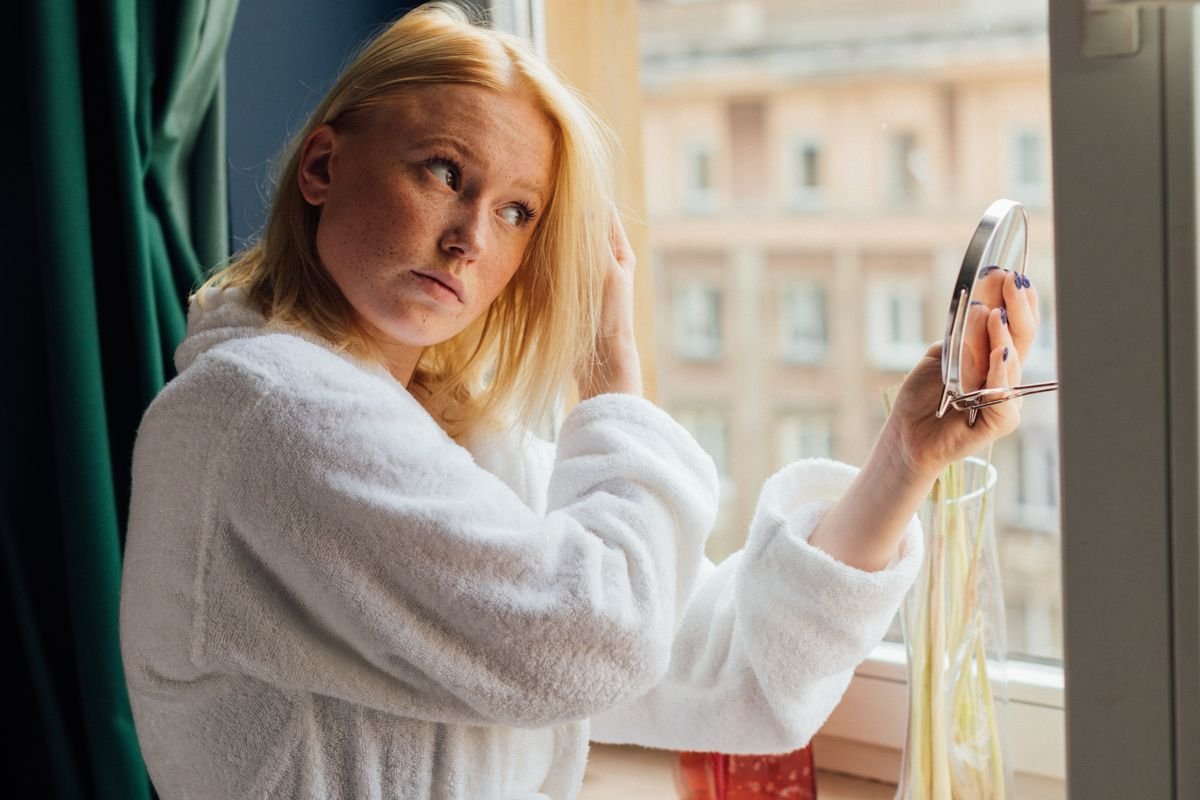
Makeup can look different when you leave the bathroom. A warm lamp, a cool ceiling light and daylight can each change how you perceive colour. Before adding more product, take a handheld mirror near a window or move to a room with more even light. You are checking the work, not looking for another face to correct.
Avoid judging only in a narrow beam of direct sun. Strong light and deep shadow can make one side look very different from the other. A position near the window, with your face turned towards the light, often makes comparisons easier. Use whatever safe, comfortable position your home allows rather than leaning over furniture for a supposedly perfect angle.
Check the meeting points
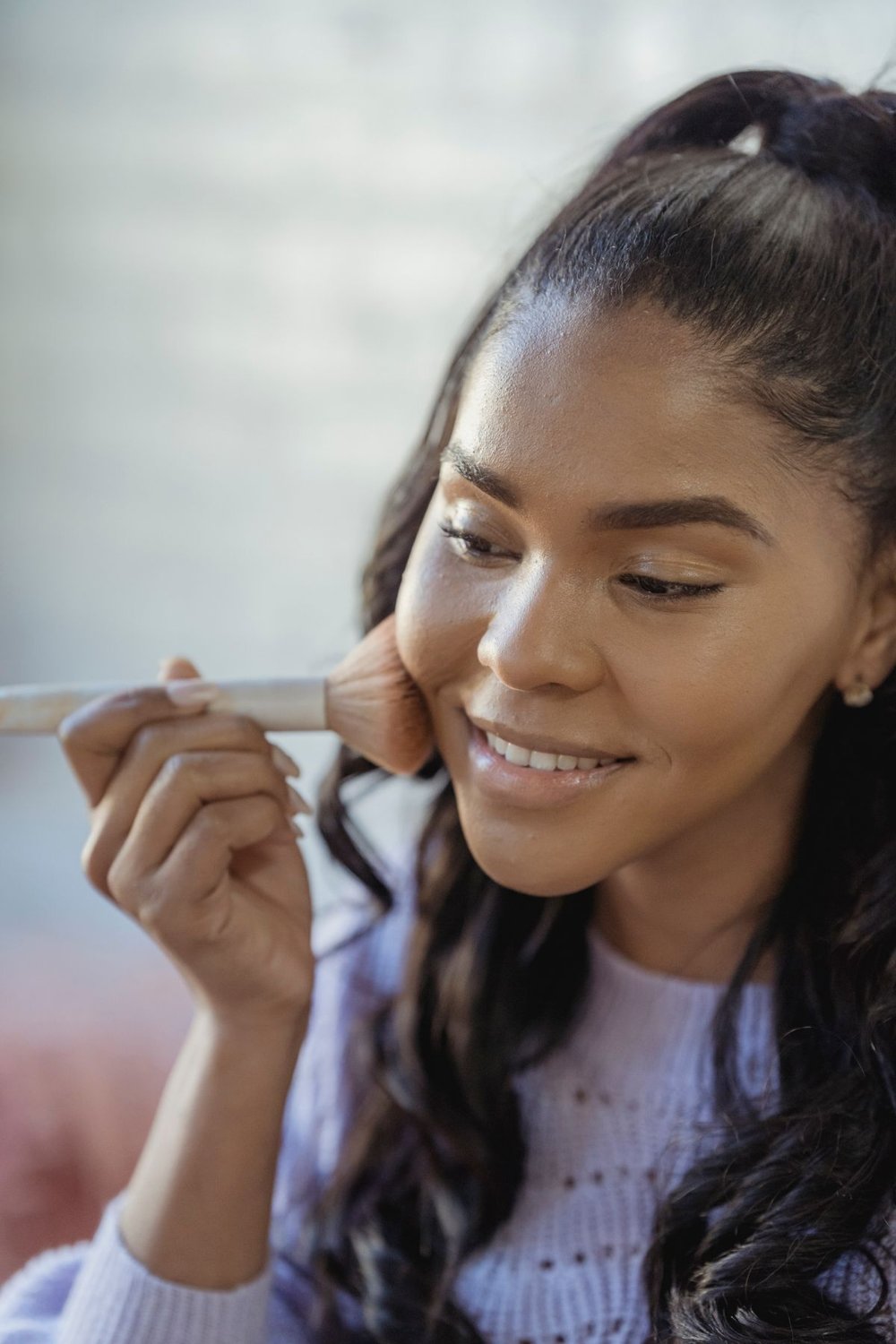
Look where foundation ends near the jaw, where blush softens into the cheek and where lip colour meets its edge. These transitions are useful because they can reveal an unblended patch without encouraging you to inspect every feature. Check both sides of the face; light from one direction can hide what happens on the other.
Put on the top you intend to wear. Its colour changes the overall impression, particularly around the neckline. A lip shade that seemed quite strong against a white robe may feel quieter beside a darker shirt. The outfit is part of the context in which you are making the decision.
Give evening makeup an evening view
If you are getting ready for dinner, a daylight check is only part of the picture. Look once in the ordinary room lighting you have available, without assuming that you can reproduce the venue exactly. Keep the result readable to you in both settings rather than pursuing a camera-filtered finish.
A phone photograph can be a helpful record, but automatic exposure and colour adjustments may change it. Treat it as a second view, not a measurement. If you find yourself adding product every time you move between rooms, pause and return to your original intention. A few clear checks are enough; the light is allowed to change as the day does.