Change one thing at a time
Choose a blush you already know. If you change colour, brush and placement in one sitting, it becomes difficult to tell which change created the result. Use your usual base or bare skin, then try a smaller amount than normal in the area you want to explore.
There is no single placement that every face needs. A colour concentrated nearer the centre of the cheek reads differently from one blended further out. You may prefer one with a particular hairstyle or neckline and another on a different day. The experiment is about preference, not correcting a face shape.
Keep the edge soft enough for your intention
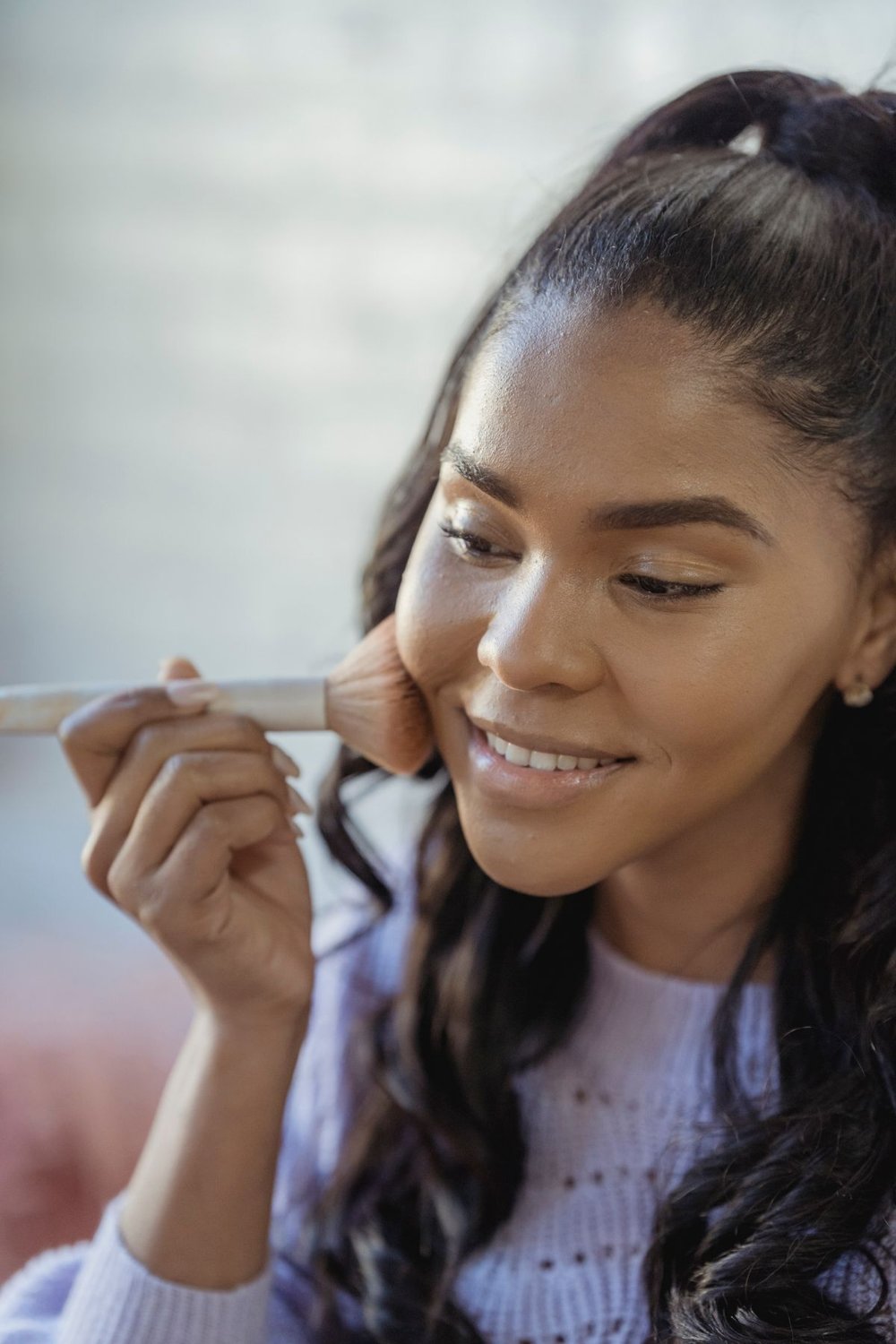
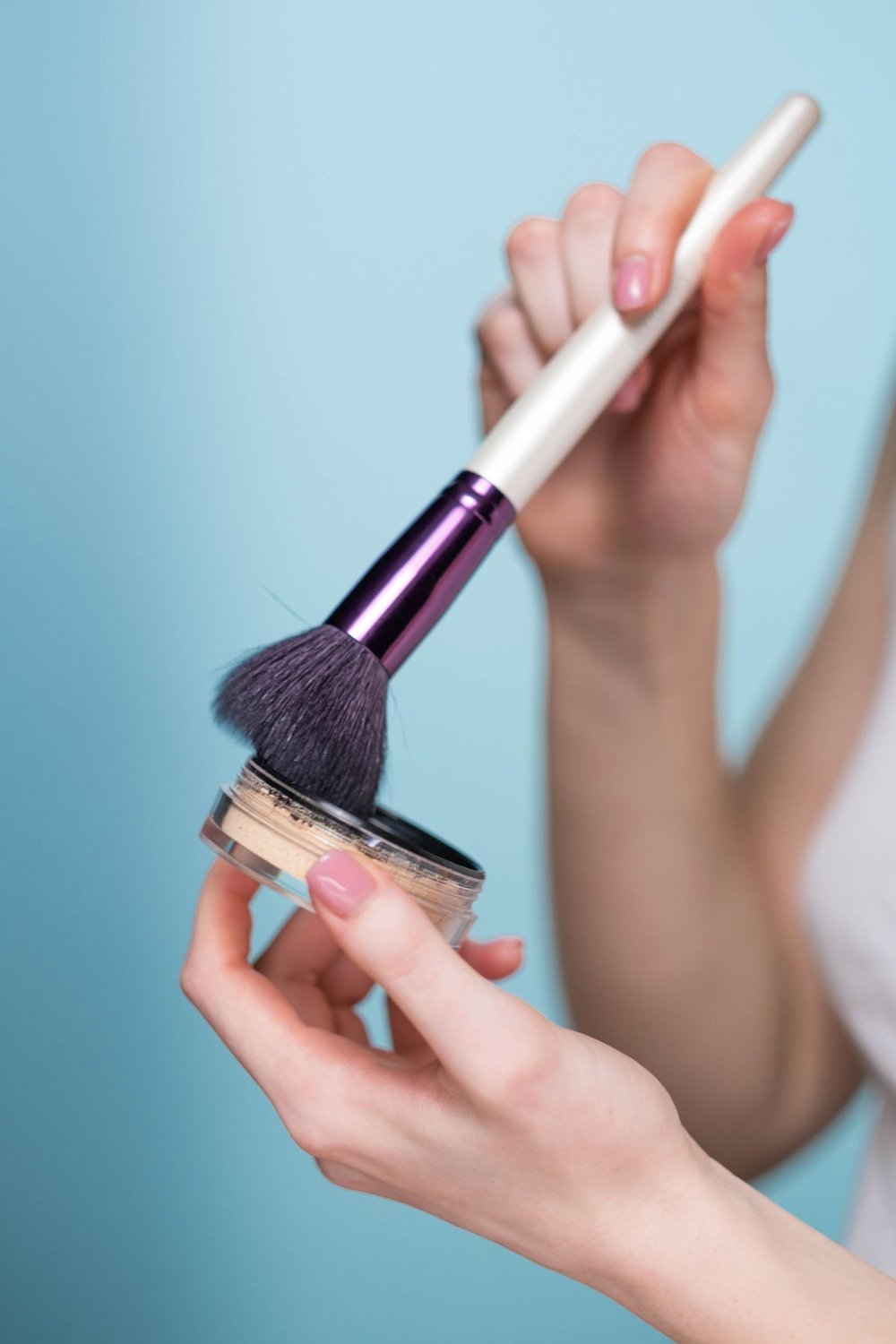
Pick up a little product and follow the formula's application directions. With a brush, notice where the bristles first touch; that is often where the colour looks strongest. With a cream, a small initial dab lets you expand the area gradually. Keep the blend within the region you intended instead of chasing it across the cheek with each pass.
Pause with your face relaxed. A broad smile can help you locate part of the cheek, but you will not hold that expression all day. Look straight ahead and from each side to see where the colour sits when your face is at rest.
View it with the rest of your colour
Put on the lip colour and clothing you plan to wear. They may change how prominent the blush feels. If everything seems equally strong, reduce one element rather than assuming the blush itself is wrong. You can also choose to enjoy a more colourful result.
Take a simple note or photograph if the experiment is useful, recognising that a phone can alter colour. Describe the change in your own terms, such as a little nearer the outer cheek or less close to the nose. That will help you repeat it more reliably than a rigid measurement. On the next day, try the same placement once before changing it again. Give yourself enough repetition to know whether it belongs in your routine.