Think beyond the hottest hour
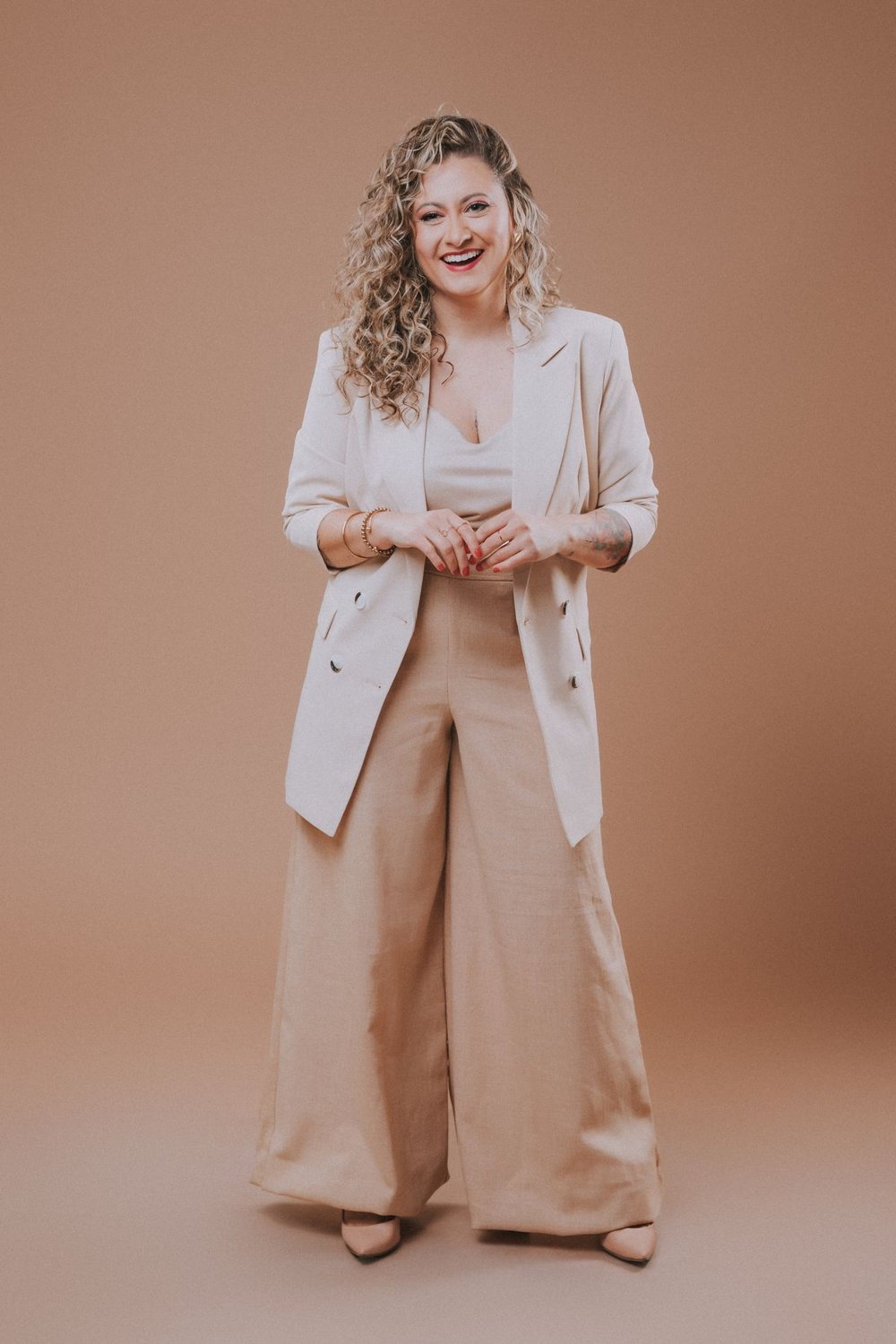
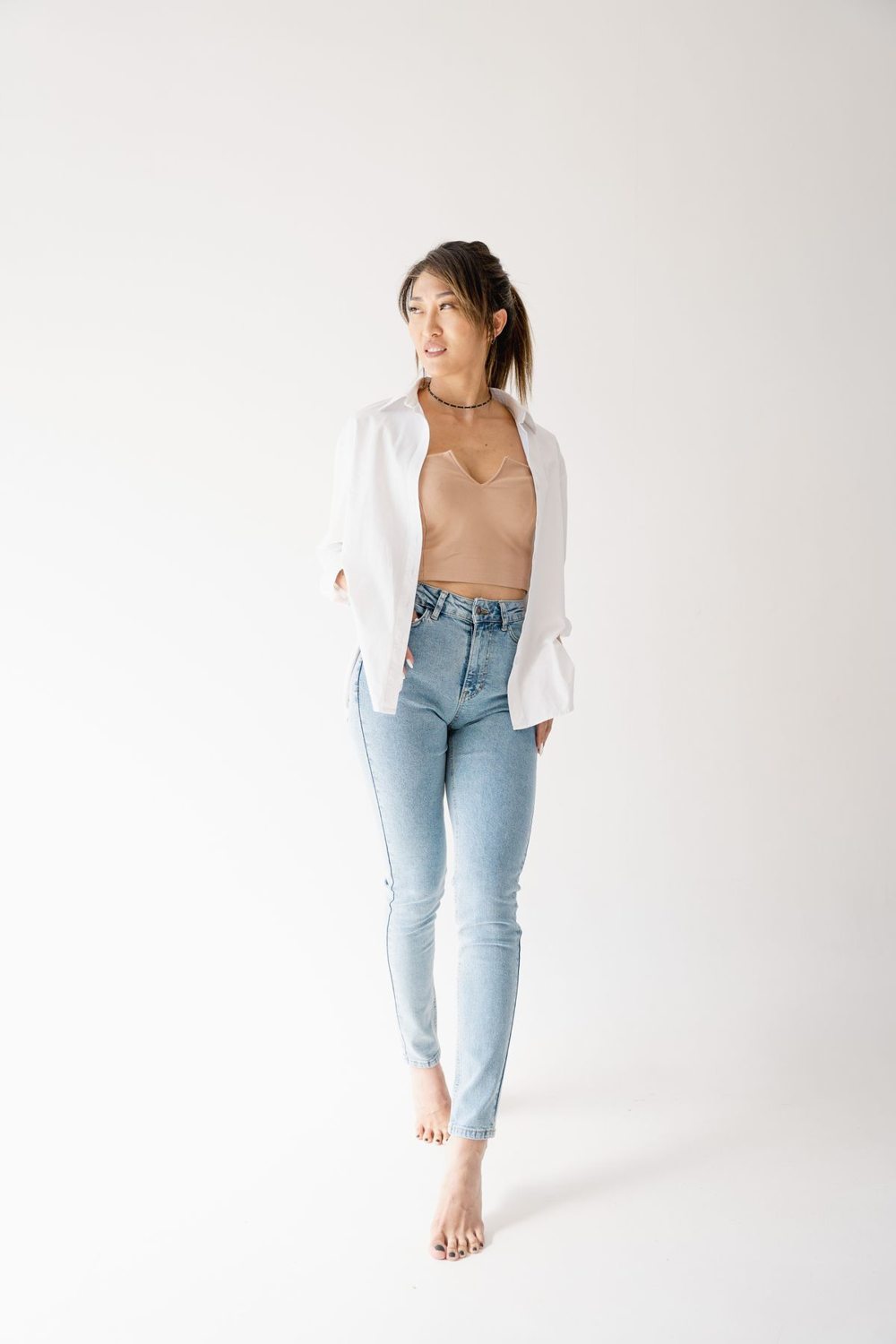
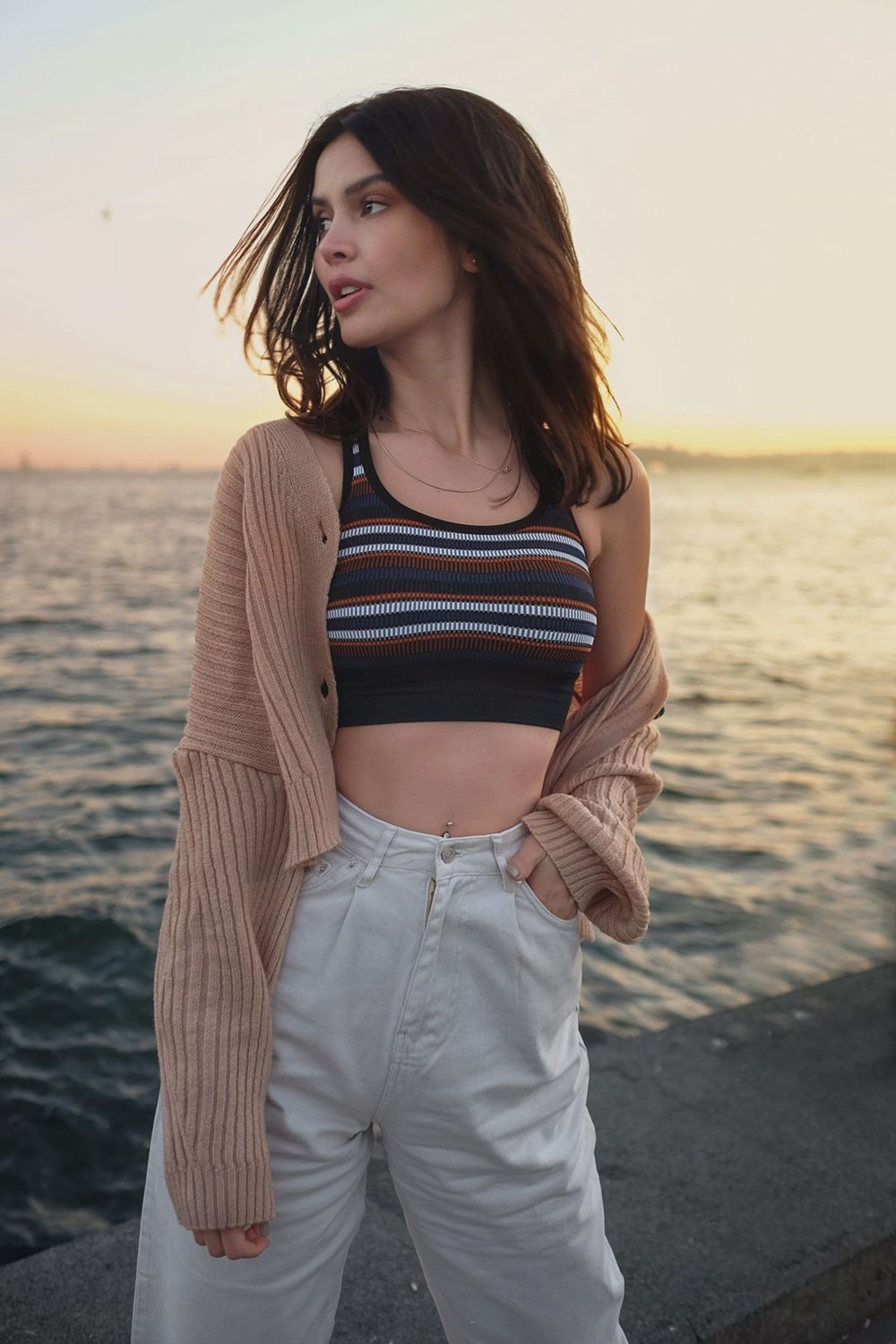
An outfit chosen at midday may feel different when you sit outside after sunset. A light cardigan or shirt gives you a way to adjust without replacing the daytime clothes. Pick it before leaving, when you can see how it sits over the sleeves and neckline beneath.
A sleeveless dress may take a cardigan easily, while a blouse with full sleeves can need more room. Try the layer on rather than carrying it as an abstract precaution. If it pulls at the shoulder or crushes the sleeve, it will be less appealing when you actually need it.
Match the weight, not necessarily the colour
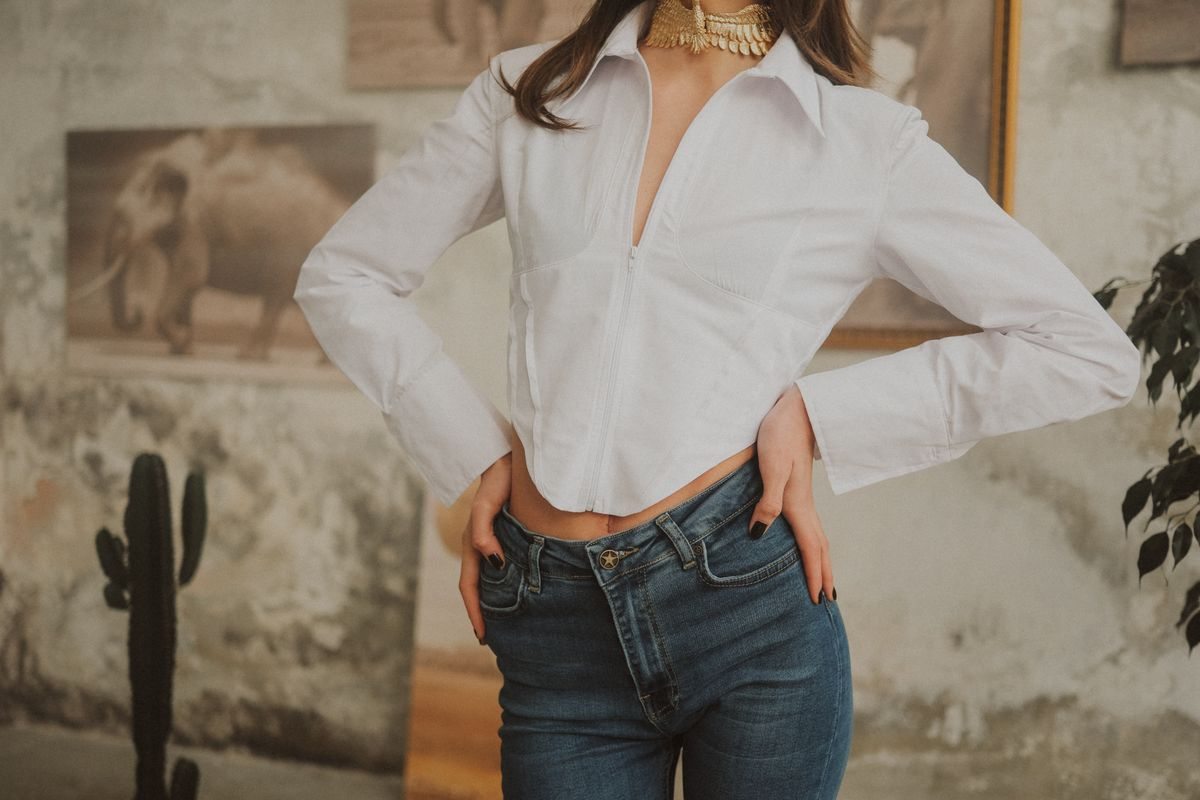
A very heavy knit can overwhelm a light dress even when the colours coordinate. A finer layer may move with the fabric more naturally. Conversely, a structured shirt can provide a deliberate contrast to soft trousers. The useful question is whether the two pieces feel comfortable together.
The colours do not have to match exactly. A neutral layer can sit quietly beside a print, while a different colour can become the focus. Check how much of the layer shows when it is open; a narrow border of colour looks different from a fully buttoned front.
Make it easy to carry
Choose something that folds into your bag or can be carried without dragging. Long ties and very loose sleeves can become awkward when the garment is over your arm. If you plan to drape it over your shoulders, remember that this may not stay in place while walking.
Consider the journey home as well as the table or terrace. A layer that is enough while seated may feel different in wind. If you know you will be outside for a long time, choose for that rather than the briefest part of the evening.
A useful summer layer is one you will actually put on. It should let the outfit continue into the evening without turning a small temperature change into an elaborate adjustment.