Look down before choosing the coat
A good outer layer cannot stop a trouser hem from collecting water at pavement level. Put on the footwear you will actually use and check the clearance around the heel and toe. Walk a few steps, because fabric can drop or swing further than it appears to while standing.
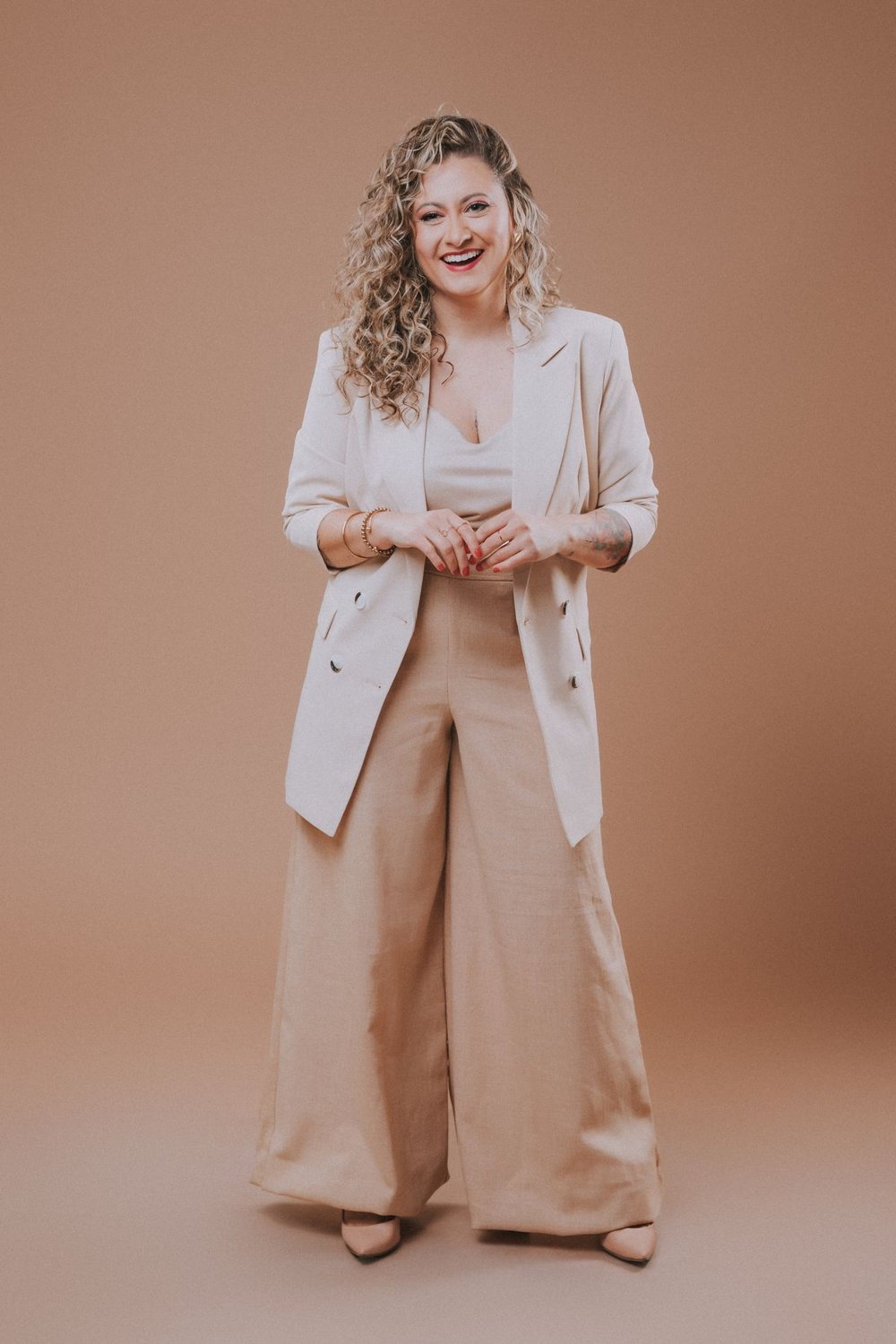
A cropped trouser or a shorter skirt may make the day easier, but the right length depends on the shoe and the weather. A long, wide hem needs particular attention near puddles and steps. Do not assume a temporary fold will hold once the fabric is damp.
Keep the arrangement secure
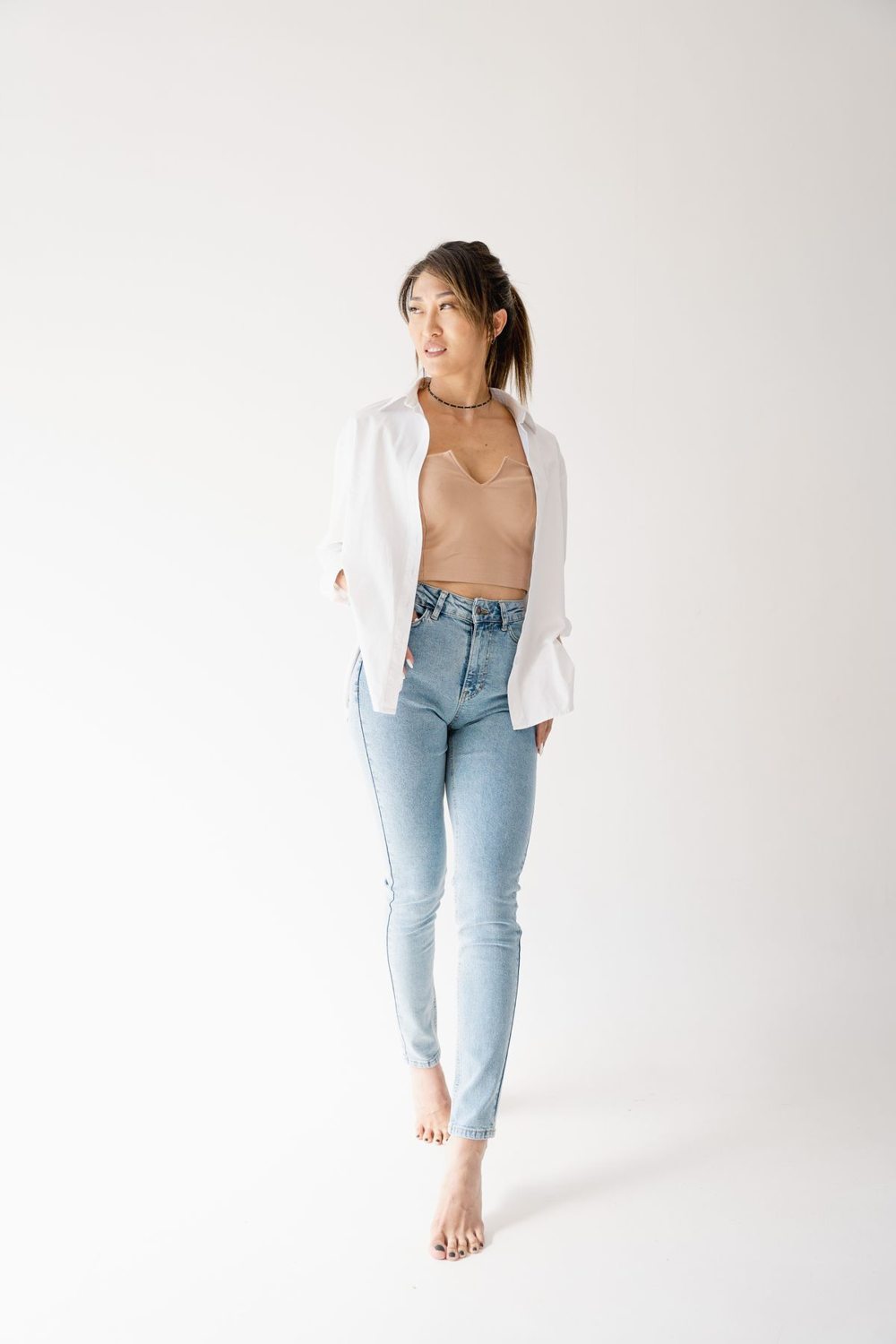
If you cuff jeans, make sure the turn stays in place without making the ankle uncomfortably tight. A heavy roll can feel cumbersome and may still catch water. If the trousers need repeated lifting by hand, choose another pair for a day with substantial walking.
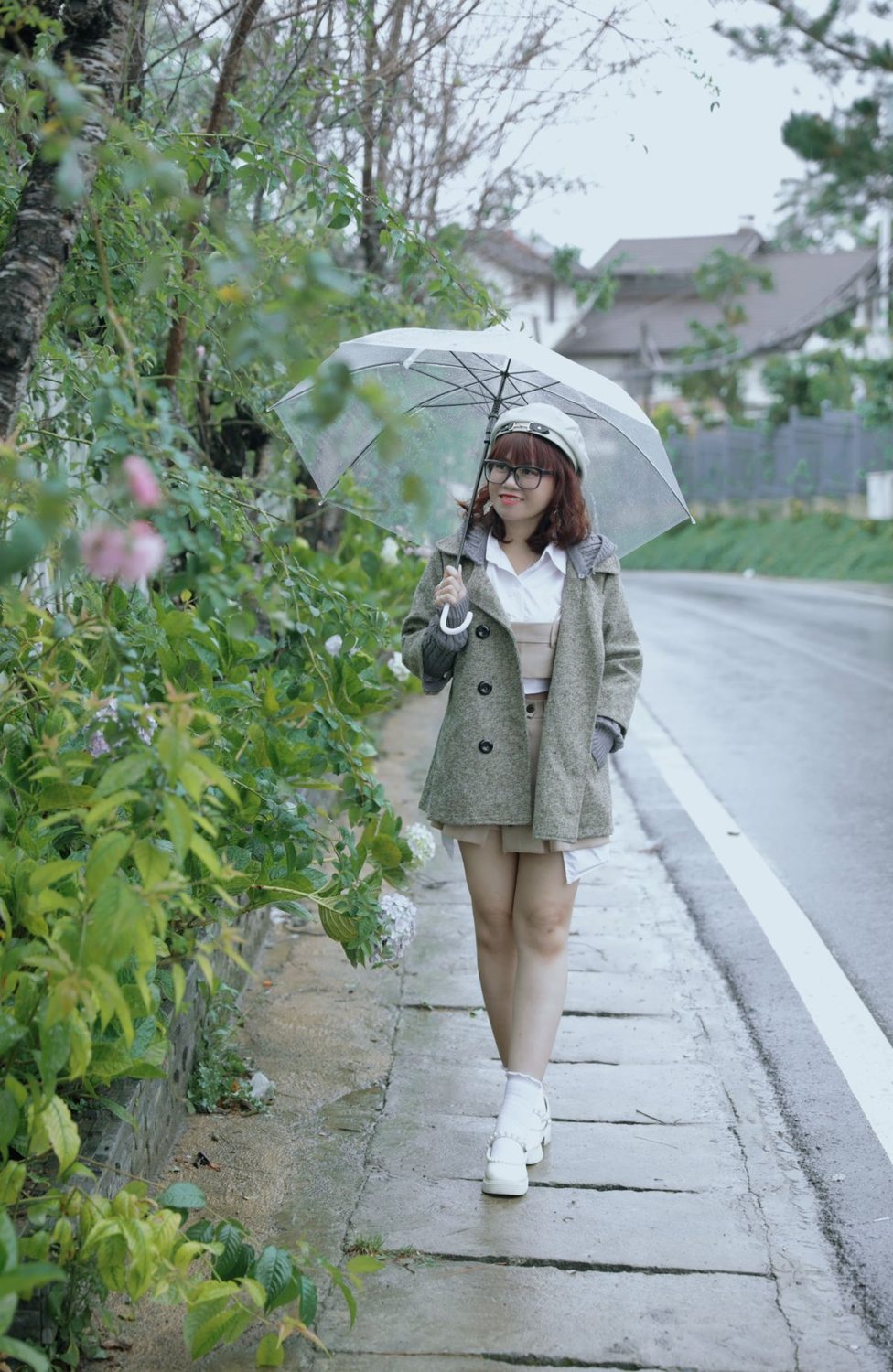
A skirt should allow a full stride while remaining clear of the ground. Think about wind as well as rain. A light, full fabric can move differently from a heavier straight one, and holding down clothing while managing an umbrella and bag quickly becomes awkward.
Let footwear do its own job
Choose shoes suited to the surface and conditions, based on their actual construction and your experience of wearing them. Appearance alone does not tell you whether a sole grips or an upper keeps water out. Check the maker's guidance when those properties matter.
After getting indoors, give damp clothing the care its label allows. Avoid placing a delicate shoe or garment against strong heat in an effort to dry it quickly. If rain is part of the regular commute, having an alternative pair ready for the following day can be useful.
The aim is a hem you can stop thinking about. Once the lower part of the outfit is settled, the coat, scarf and bag can be chosen around it instead of compensating for a length that never suited the day.