Choose the question before the camera
A photograph can help you notice a hem, the amount of colour in a layer or the relationship between a jacket and trousers. It becomes less useful when you ask it to decide whether everything about you looks right. Pick one concrete question: does the shirt hide more of the skirt than I want, or do these shoes work with this trouser length?
Keep the question about the clothes and their use. You might want to compare a tucked and untucked shirt, two jacket lengths or a bag with and without a coat. That gives the image a clear task and a stopping point. Without one, it is easy to keep taking pictures that do not lead to a decision.
Make the comparison fair
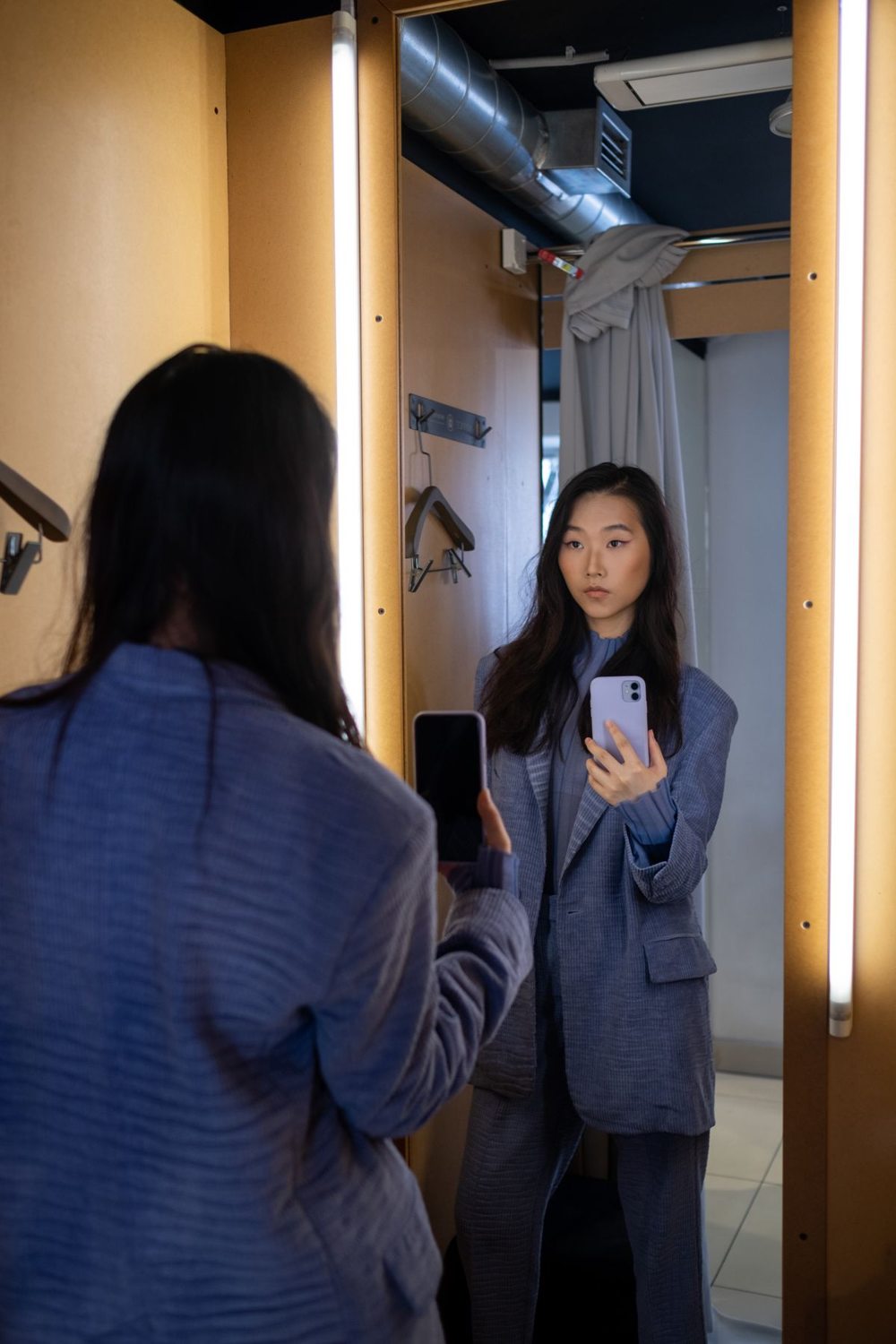
Use similar light, distance and camera position for both versions. A very low or high angle changes proportions, and a close wide-angle view can distort the nearest part of the body. You do not need a professional setup, but consistency makes the difference between the outfits easier to see.
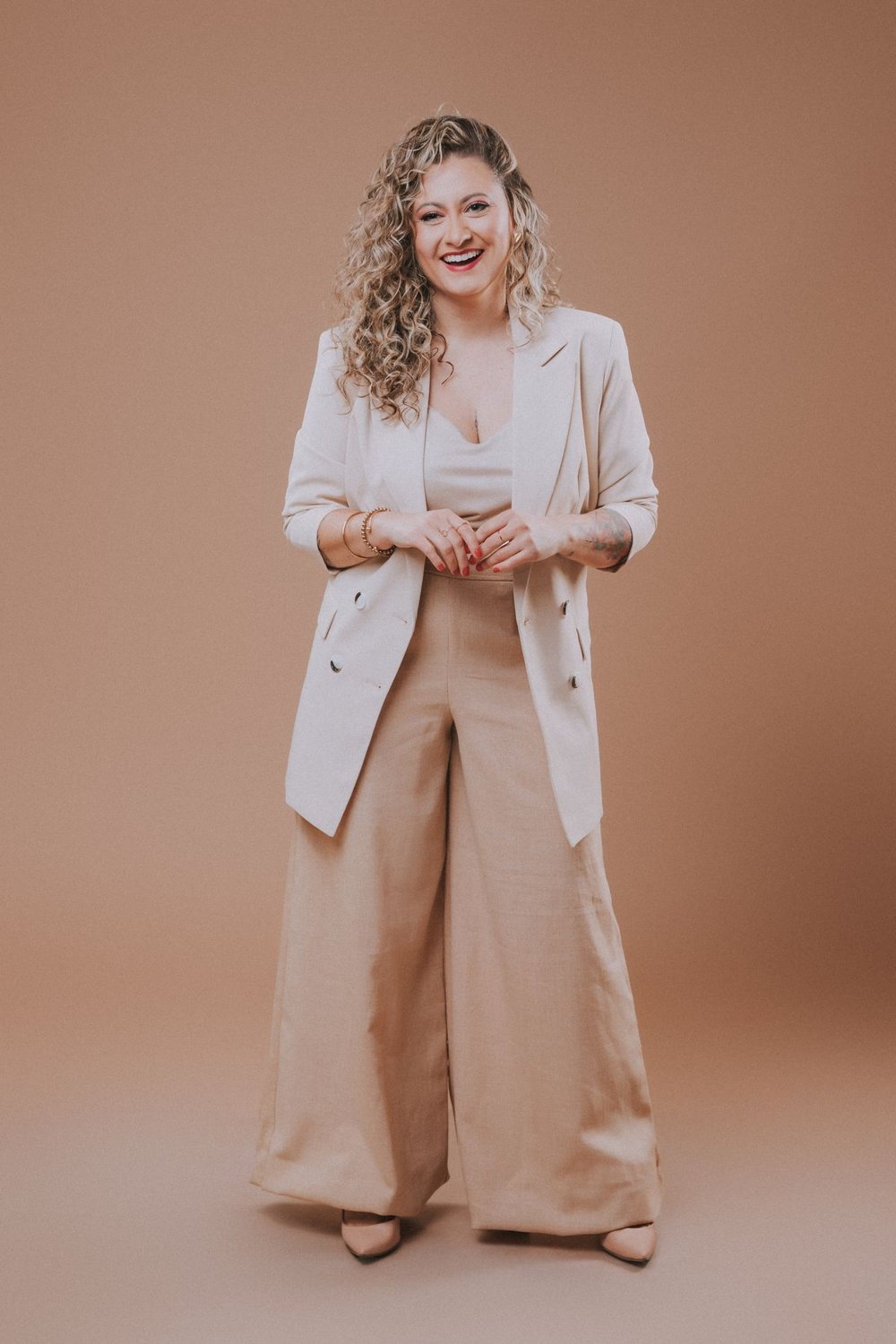
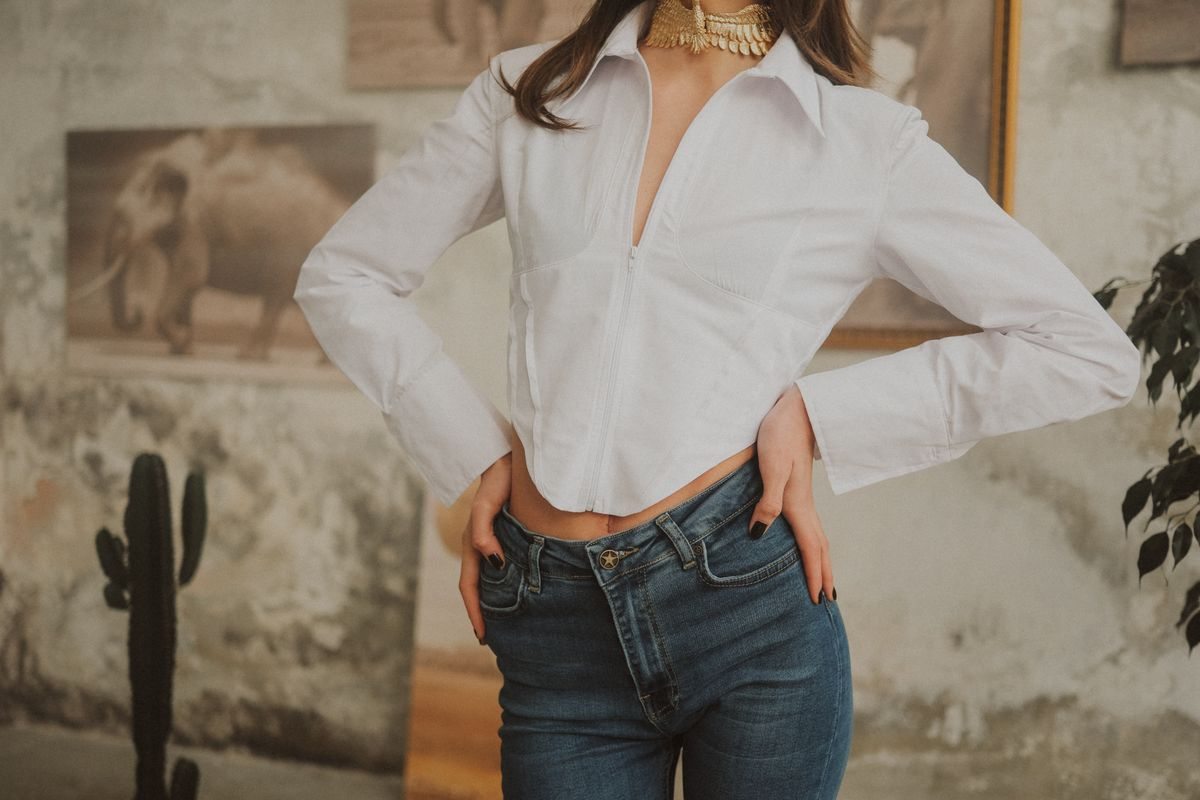
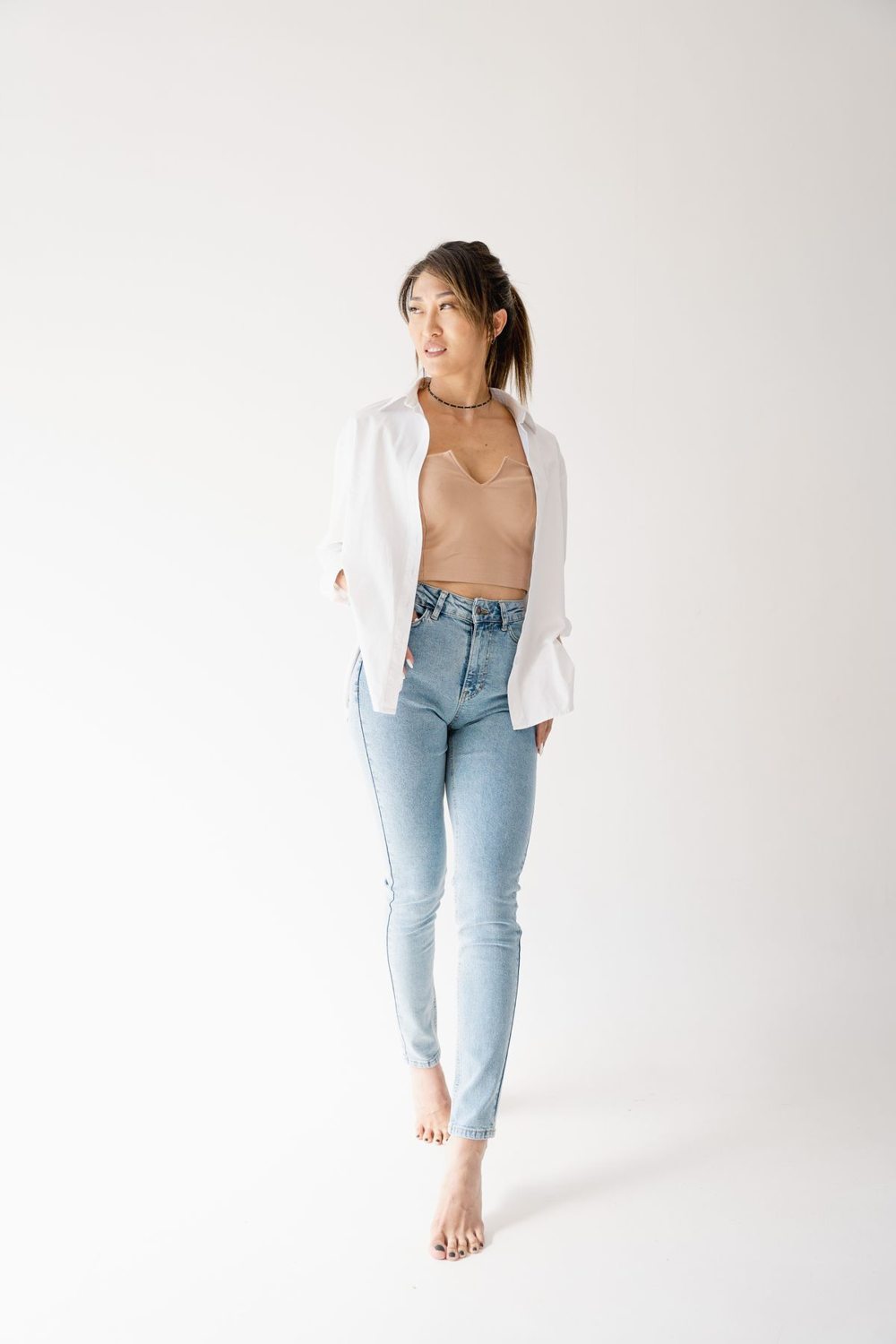
Stand naturally and include the whole area you are assessing. If the question is about trouser length, the shoes need to be visible. If it is about a neckline, a distant full-length image may not show enough detail. Avoid changing your pose dramatically between pictures, because then you are comparing the pose as well as the clothes.
Change only one element
Take the first picture, make the intended change and take the second. Leave the rest of the outfit in place. If you change the top, shoes and bag together, you may prefer the result without knowing which alteration helped. That can be fine for getting dressed, but it teaches you less for the next time.
A small adjustment can be enough. Try a cuff turn, one different shoe or a shorter outer layer before replacing the whole outfit. The photograph should support a decision you can actually use, not encourage a search for an entirely new wardrobe whenever one combination feels uncertain.
Look at the whole frame, then the detail
First notice the overall outline and areas of colour. Then look at the particular question. This helps keep a tiny crease from becoming the only thing you see. A garment naturally folds when worn; the presence of a fold is not automatically a fit problem.
If something looks uncomfortable, test it in movement rather than diagnosing it from the image alone. Sit, reach and walk. A picture cannot tell you whether a waistband presses or a shoe slips. The physical experience should carry more weight than a still view that happens to look neat.
Keep useful notes, not a score
You might save the photograph with a simple note such as brown loafers with these jeans or shorter cardigan with the blue skirt. That makes the image a reminder of a working combination. There is no need to rate the outfit or compare it with other people's photographs.
Store the pictures in a way you are comfortable with, especially if they show your home or other personal details. Sharing is optional. An outfit photograph can remain a private tool for remembering clothes you enjoyed wearing. You do not need an audience for the exercise to be useful.
Stop once the question is answered
If one version clearly works better for you, choose it and leave the camera alone. If the images do not reveal much difference, comfort and the needs of the day can decide. Repeated photographing often produces more uncertainty rather than more information.
Some mornings are not improved by a camera at all. If looking at the pictures makes you more critical of your body or less able to leave the house, put the exercise aside and use a familiar outfit. The photograph is supposed to make a clothing decision easier. It has no authority beyond that limited job.