Start with the outline you enjoy
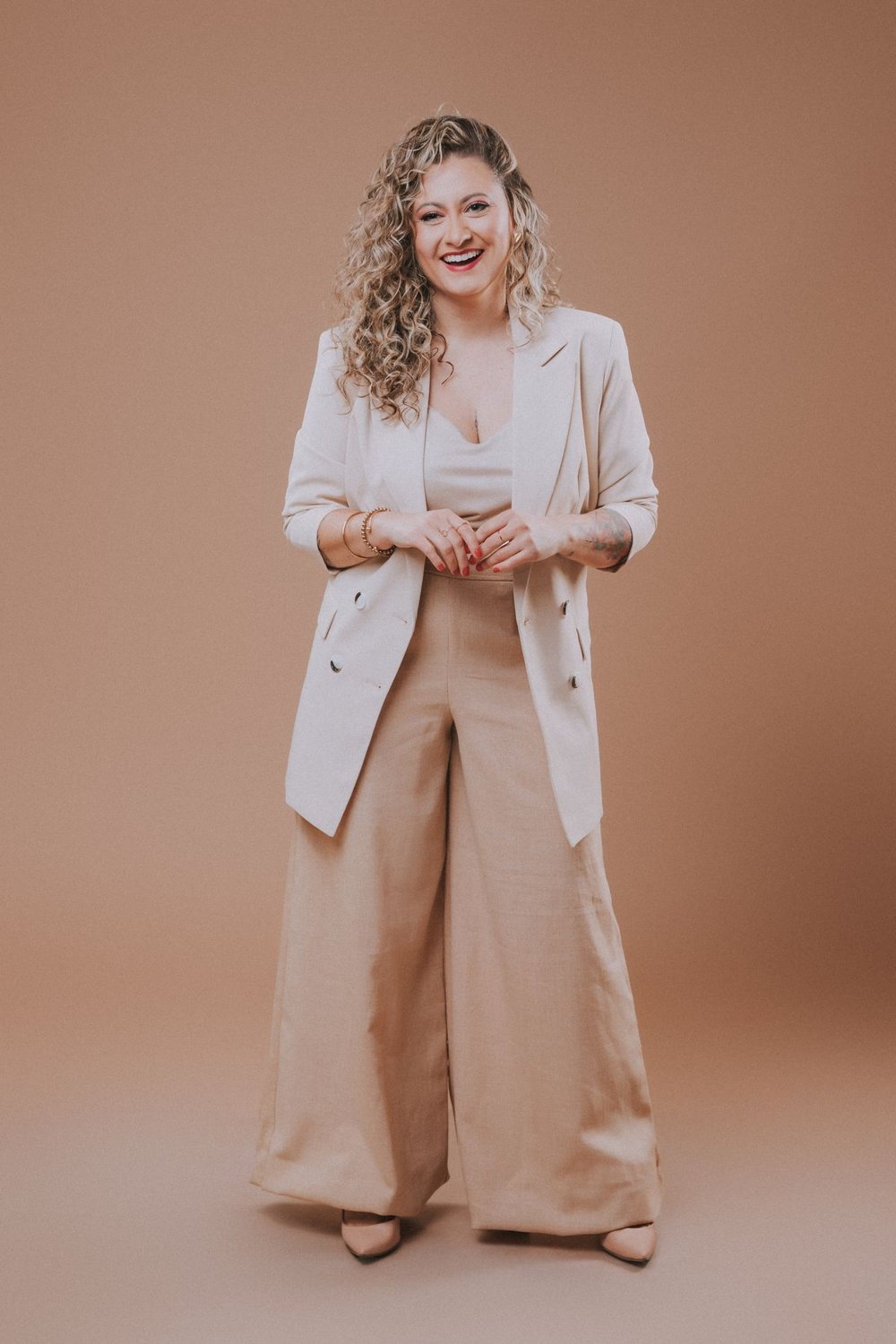
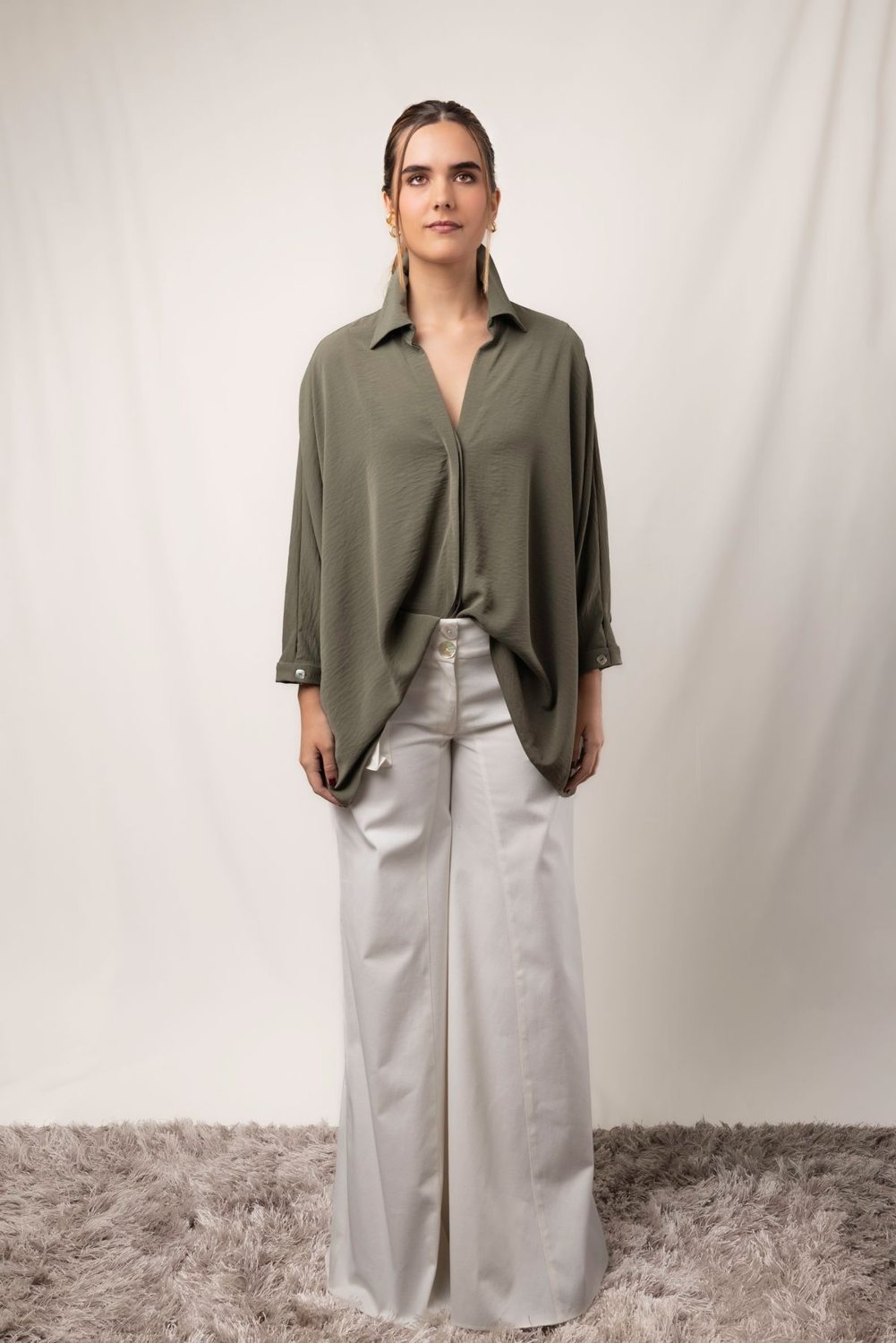
A roomy shirt with wide trousers creates a generous silhouette. It does not need a fitted piece inserted simply to satisfy a rule about balance. What it does need is a little attention to how the garments fall together. Extra width in two places can feel fluid, structured or cumbersome depending on the fabric and the length.
Try the pieces without a belt at first. Stand back and see the overall shape. If it feels right, there may be nothing to correct. If it feels less clear than you wanted, identify a specific area: a hem covering a waistband, sleeves covering the hands or fabric gathering around the hip. A precise observation is more useful than calling the whole outfit too big.
Compare the weights of the fabrics
A stiff oversized shirt over stiff wide trousers can create a strong, almost architectural outline. A soft shirt over fluid trousers moves differently. Neither is inherently better, but the combined weight should suit the impression you want. If both pieces push away from the body, changing one to a softer fabric may alter the result substantially.
Very light fabrics can cling or move in wind. Heavier ones may hold their shape but feel warm or bulky. Think about the actual day as well as the photograph in your head. An outfit that looks relaxed should also allow you to carry a bag, sit and move without managing each fold.
Reveal one useful boundary
An open collar, a visible wrist or a small section of waistband can make the individual pieces easier to read. Choose the boundary that comes naturally to the clothes. A front tuck may work with a soft shirt; a shorter sleeve may be enough with a long top.
Do not add all these adjustments automatically. Rolling sleeves, tucking the front and fastening a belt at once can make a loose outfit feel highly arranged. Try one change, then look again. Sometimes leaving the shirt entirely untucked gives the clearest expression of the shape you chose.
Check where the hems meet
A long shirt can finish near the widest point of a trouser pocket and catch there. A slightly different length may fall more freely. With a skirt, the top may rest on gathers at the waist or slide down over them. Look from the side to understand what the fabric is doing.
The trouser hem needs clearance from the ground, especially with a wide leg. Put on the shoe you will use and walk normally. A soft hem can slip beneath a flat shoe even when it appears clear while standing. That is a length issue, not a reason to abandon loose trousers altogether.
Two ways to use the same trousers
Keep a pair of wide cream trousers in place and compare a crisp oversized cotton shirt with a fluid blouse of similar length. The cotton may create a broad upper shape that stands away from the body. The blouse may fall closer despite having just as much width. This is a useful reminder that loose is not a single appearance.
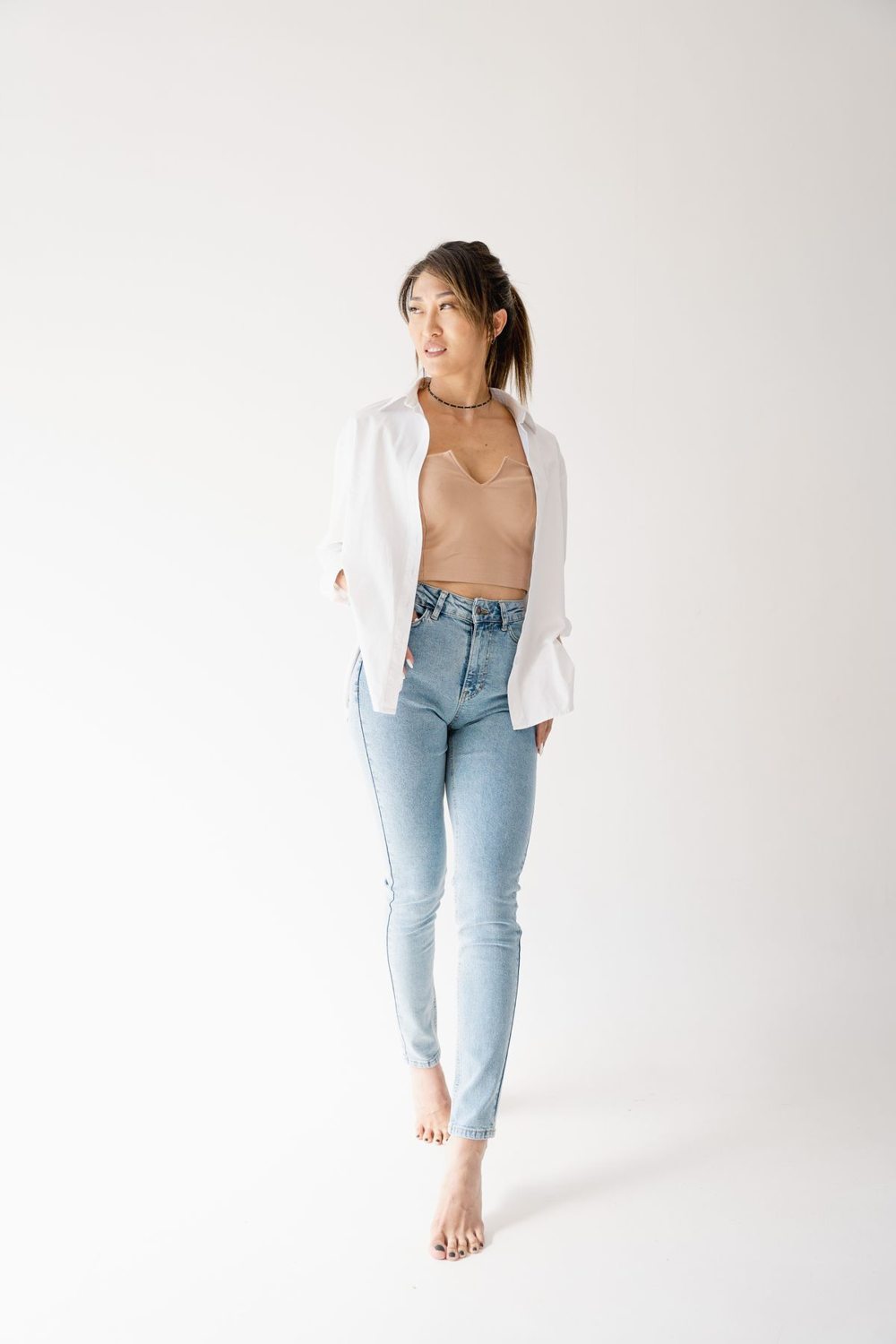
Next, try the preferred top open over a plain base, if its construction allows. The same volume now forms a frame rather than one continuous surface. You have changed the relationship between the pieces without needing either one to become fitted.
Keep accessories proportionate to the task
A bag should carry what you need without making the outfit difficult to move in. A small bag can contrast with the generous clothes; a larger one can continue their scale. Judge the weight and strap as well as the visual size. An accessory that constantly slides off a loose shoulder is unlikely to improve the day.
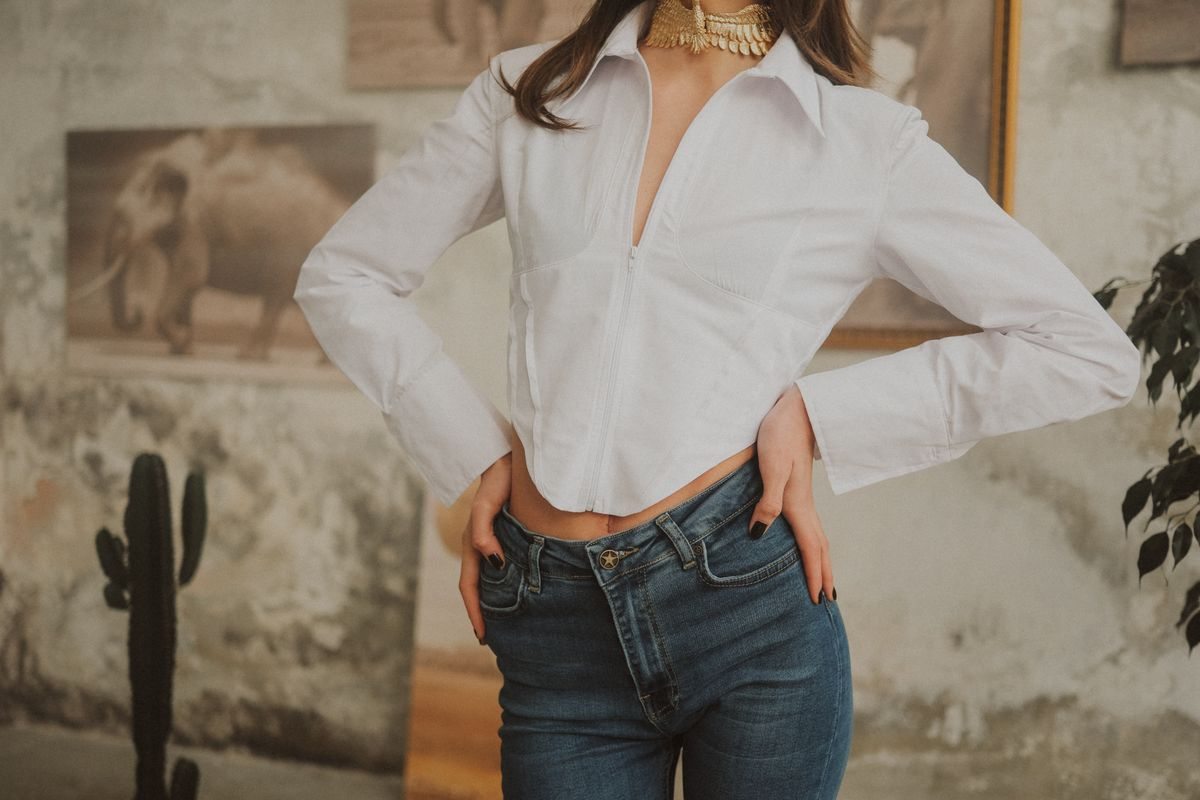
Jewellery can remain minimal or become one focal point. A large necklace may sit well against a plain shirt, but consider any buttons, pockets or print already present. The outfit does not need an extra detail merely because it contains more fabric.
Wear the combination for a few minutes away from the mirror. Loose clothes often settle after movement, and the feeling of the outfit is part of its success. If you enjoy that freedom, preserve it. Definition can come from a few clear edges rather than a tightly controlled waist.