Name the movement you need
The word comfortable is useful but broad. Try making it specific. You may want room to reach across a desk, sit on a train, lift a child or walk quickly. A garment can be roomy in one area and restrictive in another, so identify the movement before deciding the whole outfit needs to be larger.
Put on the pieces and perform that movement. A shirt may have a loose body but tight upper arms. Trousers may be wide at the hem and close across the seat. Increasing size can help in some cases, but it may also change the shoulder or waistband in ways you do not want. A different cut may be the better answer.
Use volume as a choice
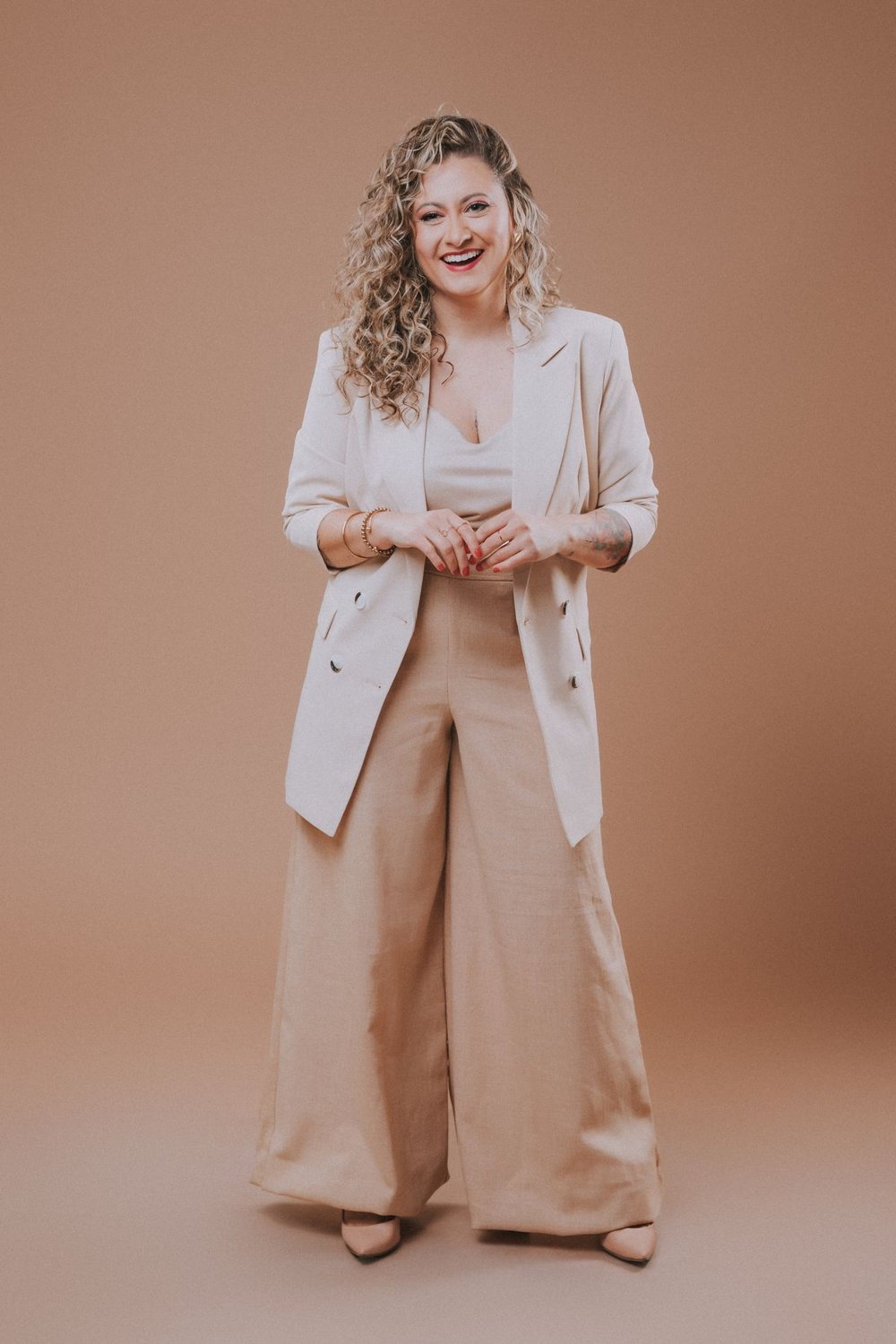
You might like a broad sleeve with a straight skirt, or wide trousers beneath a neat knit. You might prefer room in both halves. These are design choices rather than instructions for disguising a body. Begin with the outline you enjoy, then check that the clothes support the activity of the day.
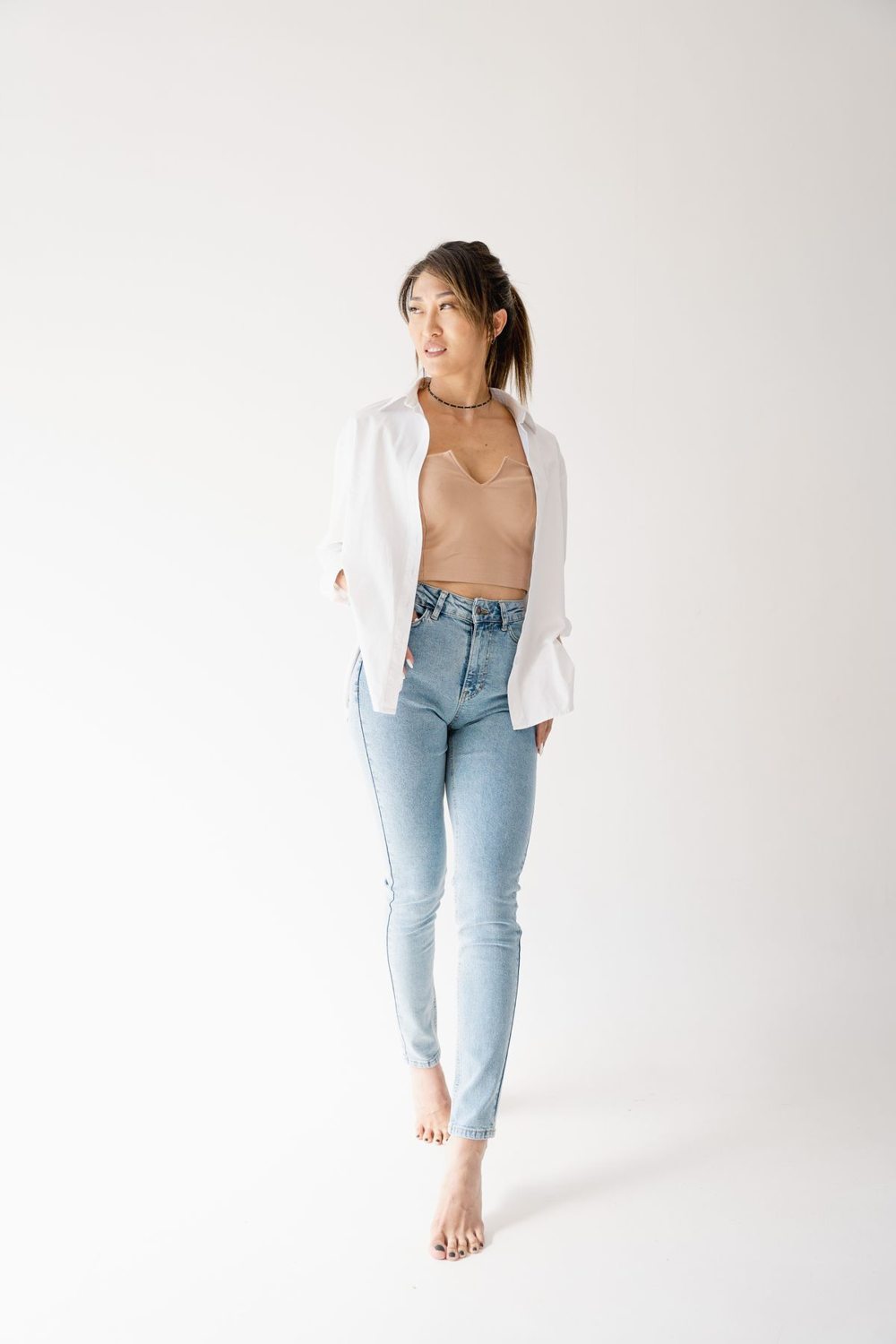
A loose top does not have to be balanced by tight trousers. If both pieces are generous, texture and length can keep them distinct. A soft shirt over a firm trouser creates a different relationship from two fluid fabrics. Try the combination before assuming one familiar formula is the only way it can work.
Distinguish ease from excess you dislike
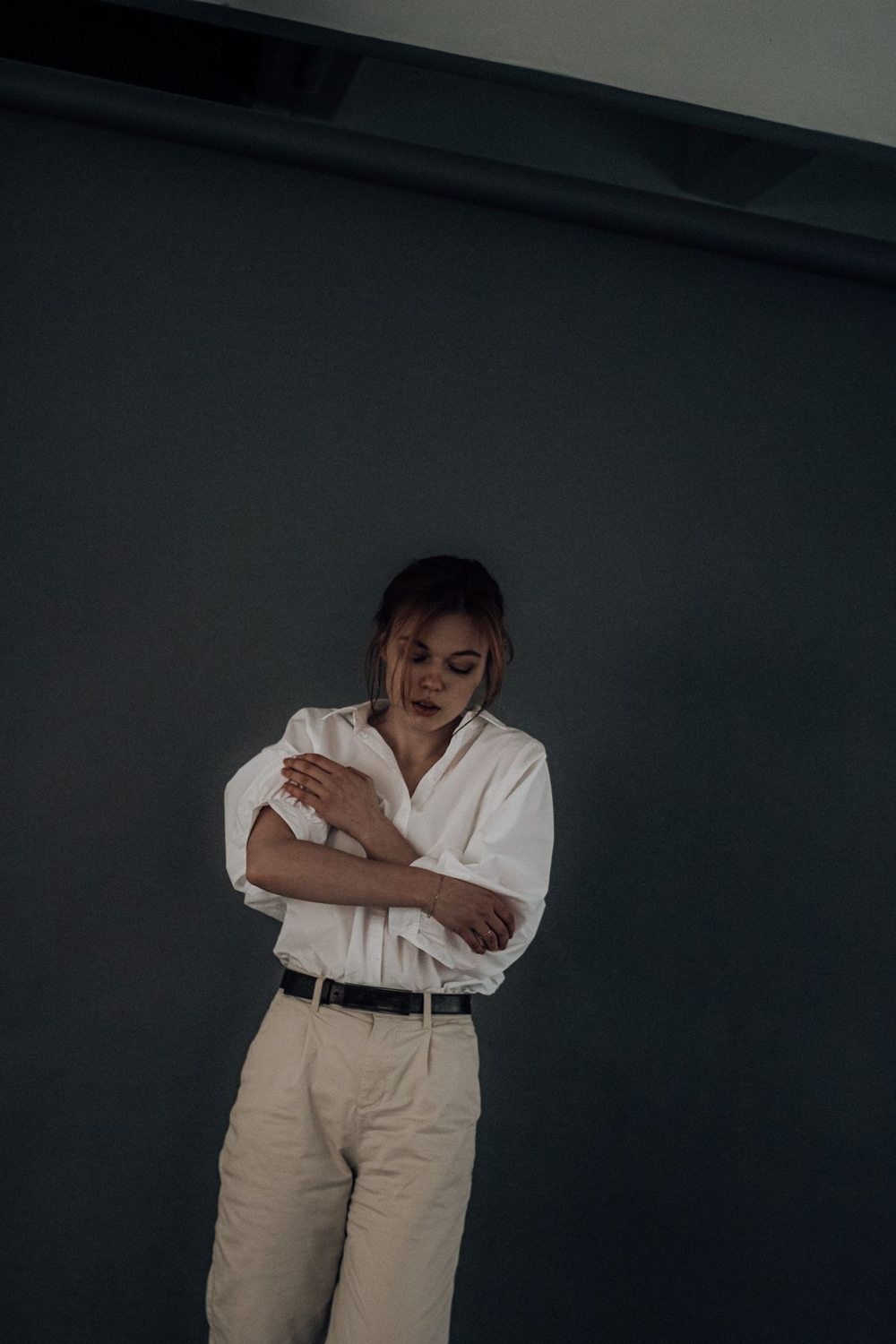
Some fabric is necessary for movement. A little release at the back of a shirt may be useful even if it does not lie perfectly flat. At the same time, a fold that catches on a bag or a sleeve that covers the hand may be an inconvenience. The question is what the extra fabric does, not whether it exists.
Check the garment in several positions. A waistband that looks smooth standing can become tight seated. A jacket that appears broad may allow exactly the reach you need. Do not let a single mirror pose outweigh the way you will spend most of the day.
Adjust one boundary
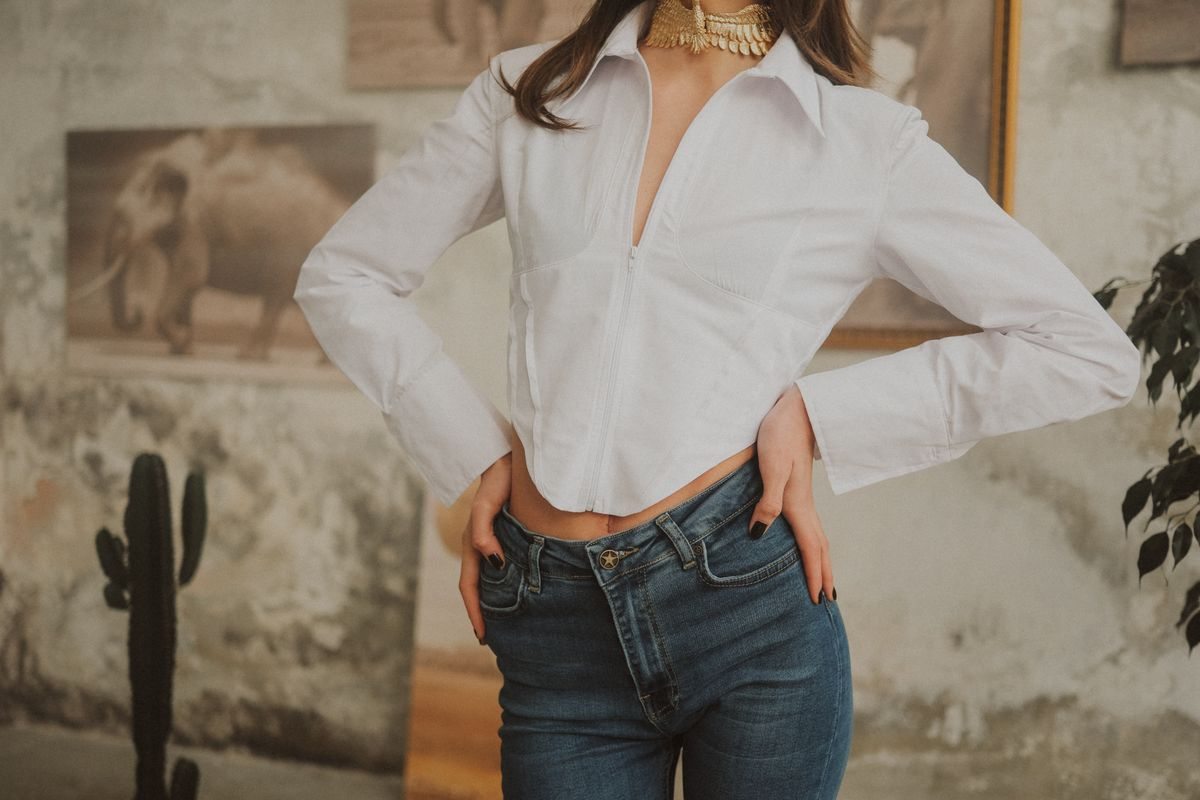
If the outfit feels less defined than you want, try a shorter top, a cuff turn or a different jacket length. A belt is one option, but it is not the universal solution. It can collect fabric at the waist and reduce the very room you were trying to keep.
The useful adjustment should stay in place without constant attention. If you have to pull a sleeve back after every movement or rebuild a tuck every time you stand, the pairing may not suit the garment. Another piece with a different cut can be a simpler choice than a more complicated styling technique.
Leave room for the final layer
The coat or jacket needs to accommodate everything beneath it. A roomy shirt sleeve may disappear comfortably under one coat and bunch painfully under another. Test the whole outfit, including the bag strap, before leaving. Each additional layer changes the available space.
Once you have identified where room matters, shopping and wardrobe decisions become more concrete. You can look for a wider upper sleeve, a different rise or more space through the hip instead of searching vaguely for something comfortable. That specificity helps you keep the shape you like while making the clothes work for your life.