Find the information already there
Read the whole invitation before deciding that it says nothing useful. The venue, time, type of celebration and planned activities can provide clues, though they do not replace an explicit dress code. A late dinner indoors asks different practical questions from an afternoon partly spent in a garden.
Look for a separate event page or message from the host if one has been supplied. Details about walking between locations, outdoor ceremonies or a change of venue can affect shoes and layers. Use the information connected to this particular event rather than relying on a generic description of what people wear to weddings or parties.
Ask a question someone can answer
A broad question such as what should I wear may produce another vague phrase. It can be more useful to ask whether the event is formal or relaxed, whether guests will spend much time outside, or whether flat shoes and trousers would fit the plan. Choose the uncertainty that actually affects your decision.
Keep the question brief and give the host time to reply. You do not need to send several outfit photographs unless they have invited that kind of conversation. The purpose is to understand the occasion, not to make the host responsible for choosing every garment. If there is an organiser or named contact, they may be the appropriate person for logistical questions.
Separate etiquette from comfort
Some uncertainties concern expectations, such as a stated formal dress code or a cultural convention. Others concern the physical setting, such as grass, stairs or cold rooms. Both matter, but they require different information. Ask about the specific convention if you do not know it, and ask about the venue if the concern is movement or weather.
Avoid treating another guest's guess as a firm rule. Their interpretation may be reasonable but based on different information. Where the expectation is important, a direct answer from the host or organiser is more useful than several opinions that leave you just as uncertain.
Prepare a flexible middle option
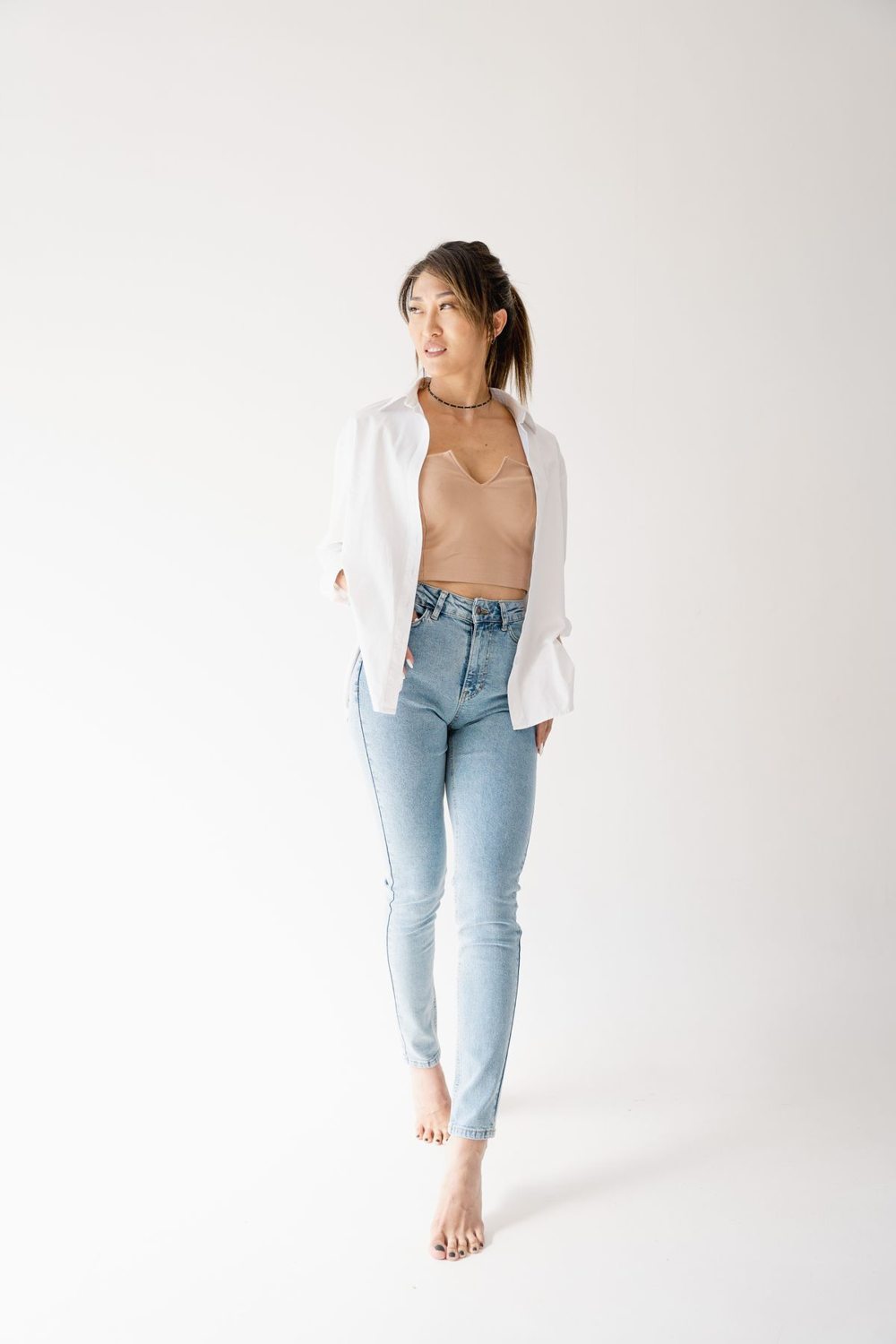
If the event is broadly informal but still unclear, choose an outfit that can change slightly with a layer or accessory. A simple dress with a jacket, or trousers with a shirt and a different shoe, can provide room to adjust. The pieces should work in both versions rather than depending on an emergency change after arrival.
Do not buy an entirely new wardrobe while waiting for an answer. Try existing clothes and identify the specific item, if any, that is missing. Sometimes the uncertainty makes familiar clothes seem unsuitable when they would be perfectly reasonable for the occasion. A clear answer can save both money and unnecessary effort.
Check the route as well as the room
Even a settled dress code does not tell you how to get there comfortably. Consider transport, walking distance and where coats or bags can be left. If you will change shoes, plan how to carry the spare pair and make sure the outfit works with both. If there is no convenient place for a large bag, pack accordingly.
Weather can also change the practical plan without changing the level of formality. An appropriate outer layer should be considered part of the outfit, not an afterthought. If you know a section of the event will be outdoors, ask about shelter rather than assuming a delicate garment will never meet the weather.
Accept the remaining uncertainty
You may not receive a detailed answer to every question. Use the information available, respect any explicit requests and choose clothes that let you participate comfortably. The aim is to be considerate and prepared, not to predict exactly what every other guest will wear. Once the useful questions are answered, it is reasonable to stop researching and get on with looking forward to the event.