Find the hidden layer
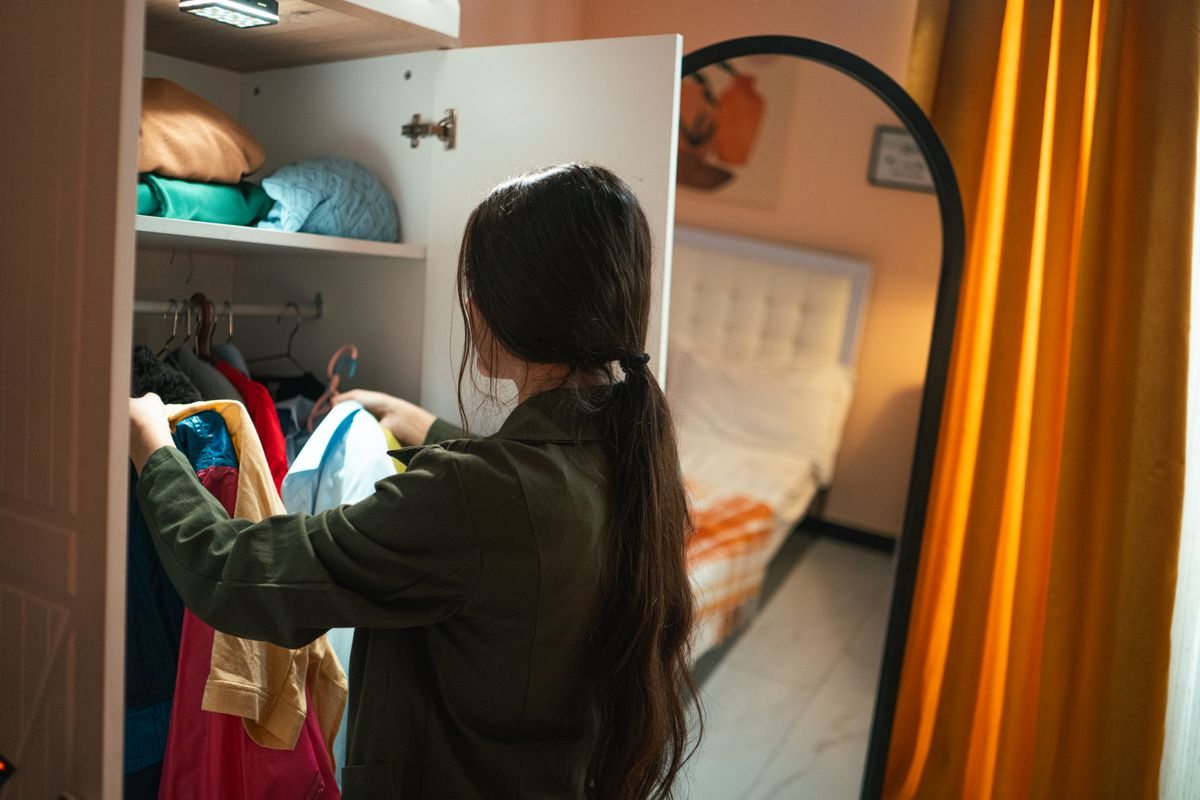
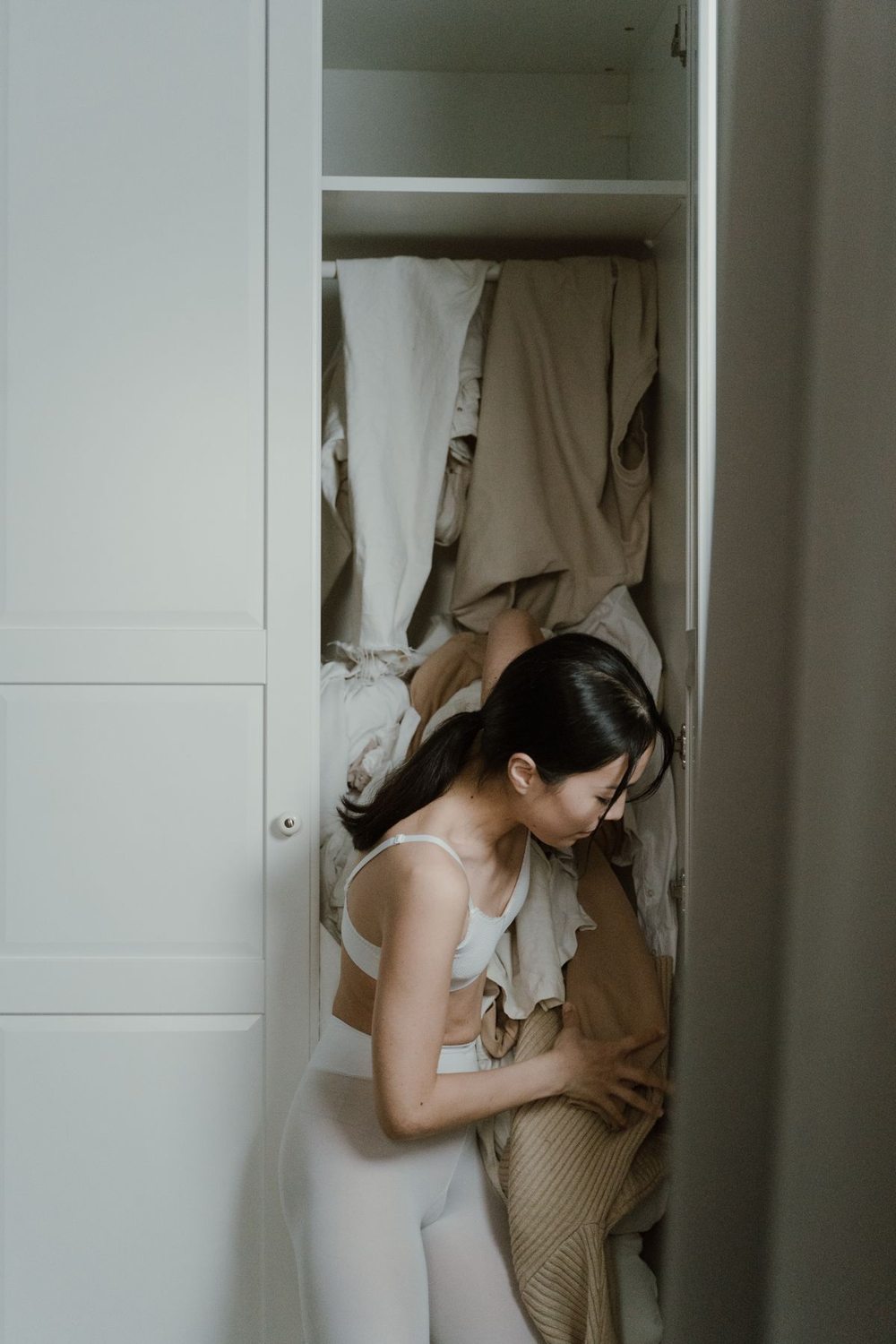
Open the wardrobe as you normally would when getting dressed. Which pieces can you see without moving something else? A second row of folded clothes, a tightly packed end of the rail or a bag resting on top of shoes can make a modest collection feel much larger and less usable.
Remove the obstacles before buying organisers. A box can divide a shelf, but it can also conceal another layer. Measure the actual shelf or drawer if you decide an insert is needed, including the room required to pull it out. An organiser that fits only when the door is held at an awkward angle will not make mornings easier.
Give each space one job
Try keeping one shelf for folded tops and another for bags rather than stacking both together. A clear purpose helps you notice when a space is becoming overcrowded. It also makes putting things back less dependent on remembering a complicated arrangement.
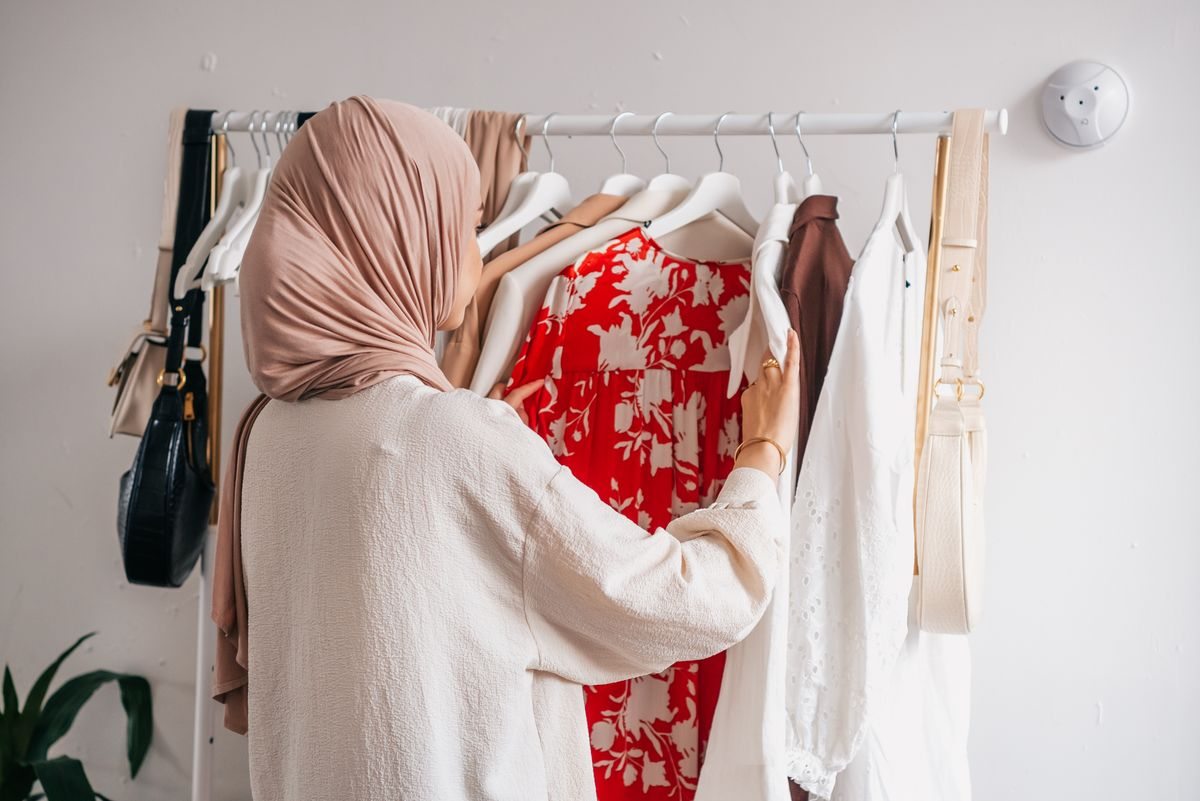
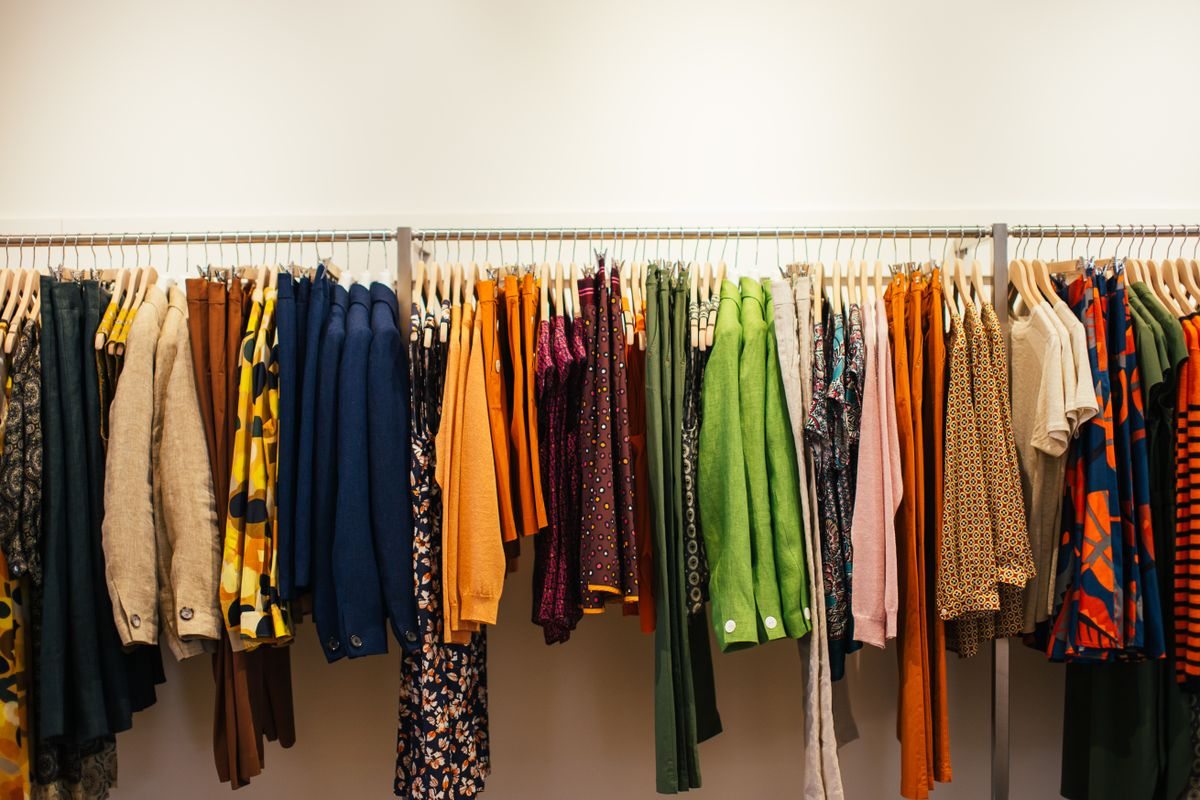
Leave enough room between hanging clothes to slide an item out without dragging its neighbours with it. If the rail cannot accommodate everything, decide which pieces truly need hanging. Bulky knitwear may be better folded when its care and construction allow, while garments that crease easily may deserve the available rail space.
Use the front for the present
Keep clothes for the current weather and routine at the most accessible height. Occasional pieces can sit higher or farther back, provided they remain protected and retrievable. This is not a judgement about their value; it is a way of matching access to frequency.
Shoes are easier to choose when pairs stay together and can be removed independently. If stacking boxes is unavoidable, label the visible end. Avoid a tower that must be dismantled every time you need the lowest pair.
Use awkward spaces for a defined group
The high shelf is often difficult to reach but useful for light, infrequently needed things. Put a clearly labelled group there rather than a mixture of loose objects. Keep heavy or unstable loads where they can be handled safely, and avoid storing things so high that retrieving them requires balancing on unsuitable furniture.
A narrow gap beside folded clothes can hold a slim divider, but it need not be filled. Empty space helps you see the edge of a group and take it out without disturbing everything else. Filling every gap may increase the amount stored while reducing how much of it you can actually use.
If two people share the wardrobe, divide by accessible space as well as by total volume. One person should not have all the convenient shelves while the other owns an equal area that is hard to reach. Agree on where shared items belong and where each person can arrange things independently.
Review the arrangement after laundry day, when the wardrobe is at its fullest. This is a more revealing test than organising while half the clothes are in the wash. If everything returns only with force, remove a group that belongs elsewhere or reconsider the storage method before buying another set of containers.
Test it while getting dressed
Live with the arrangement for several mornings before refining it. Notice where clothes land when you are in a hurry. If worn-but-wearable items always end up on a chair, give them a small intentional place rather than expecting a new folding system to solve that separate problem.
The best sign of success is finding and returning things without much thought. A wardrobe does not need matching containers or a rainbow rail to do that. It needs enough visibility that the clothes you own remain part of your choices.