Name the main detail
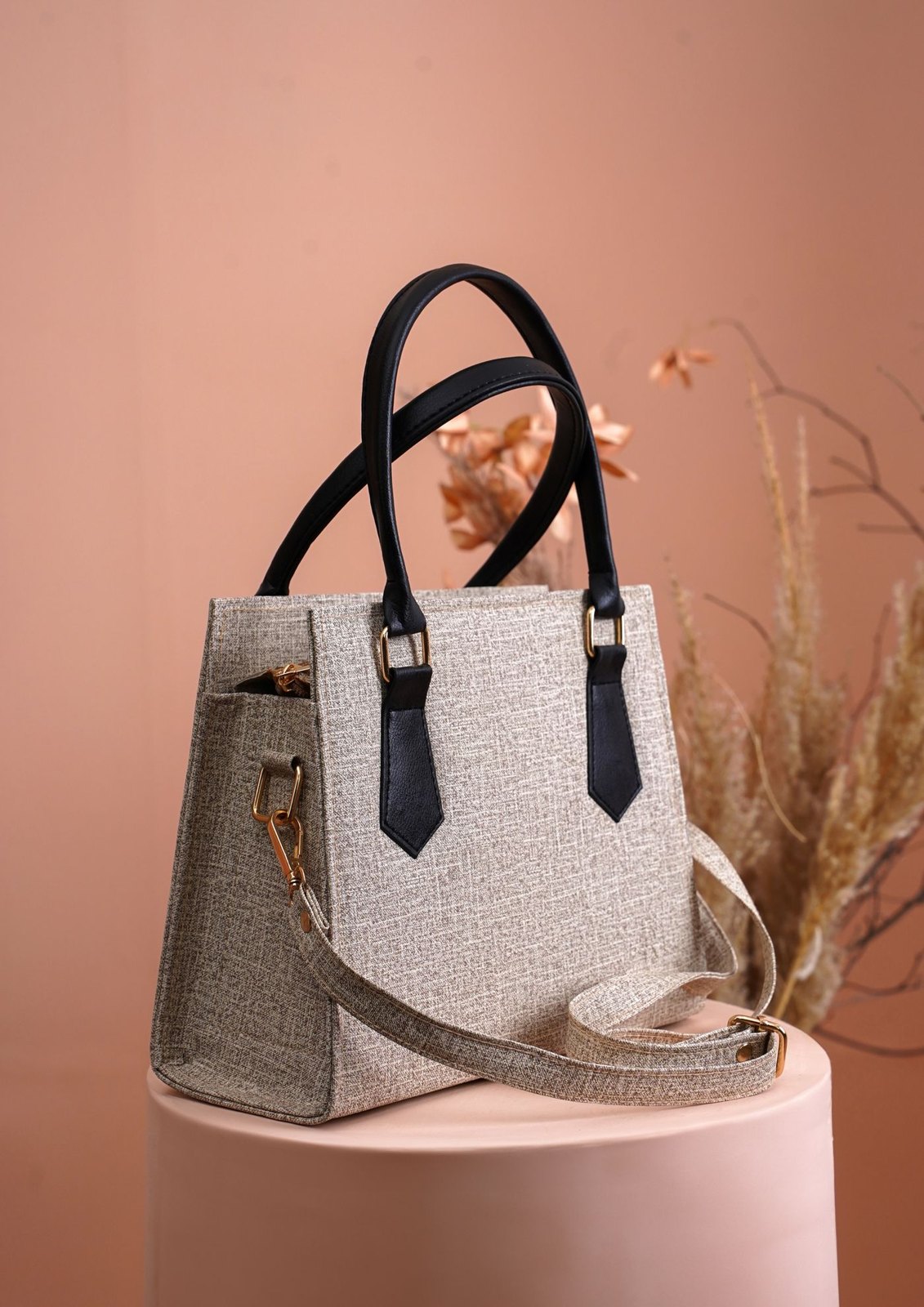
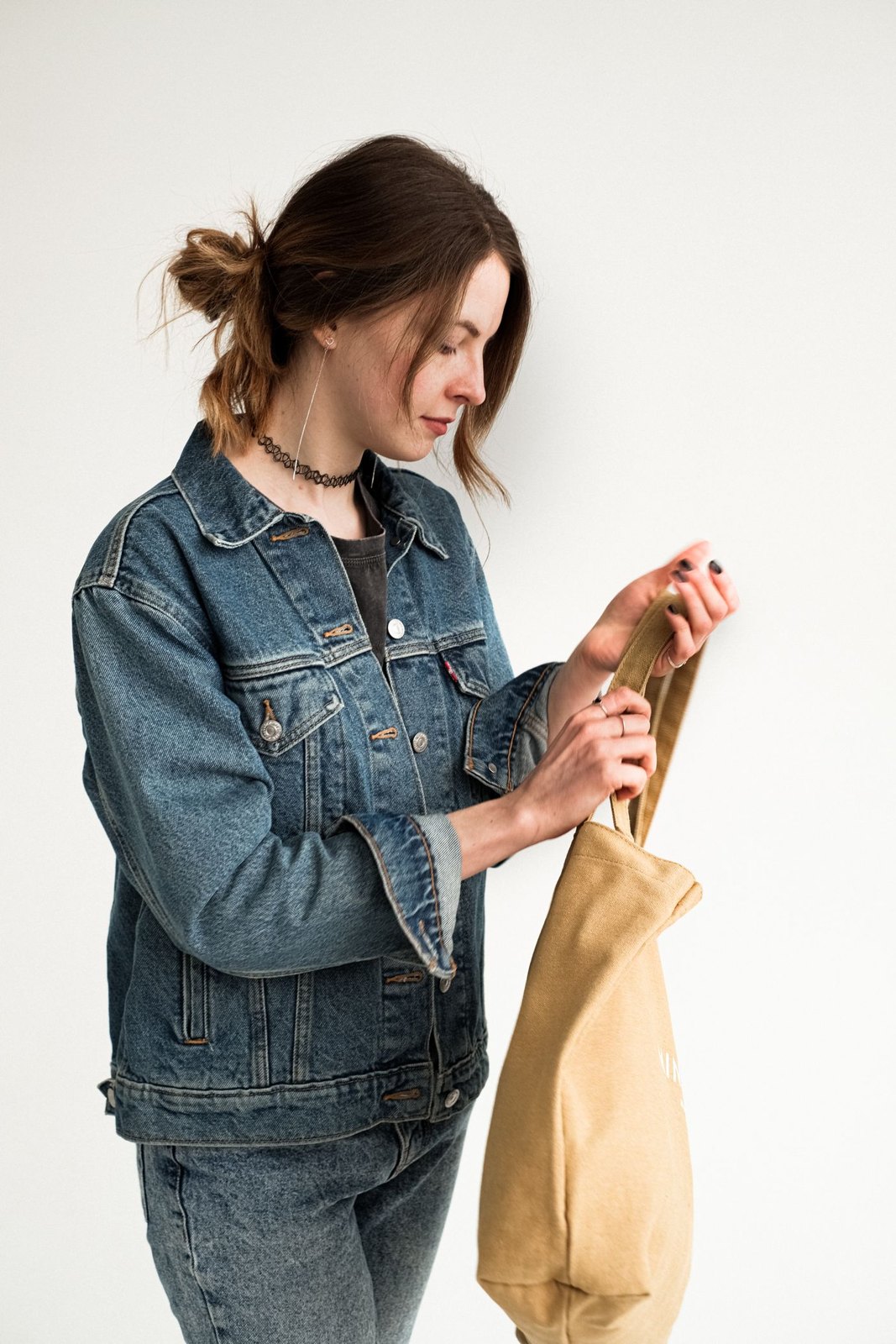
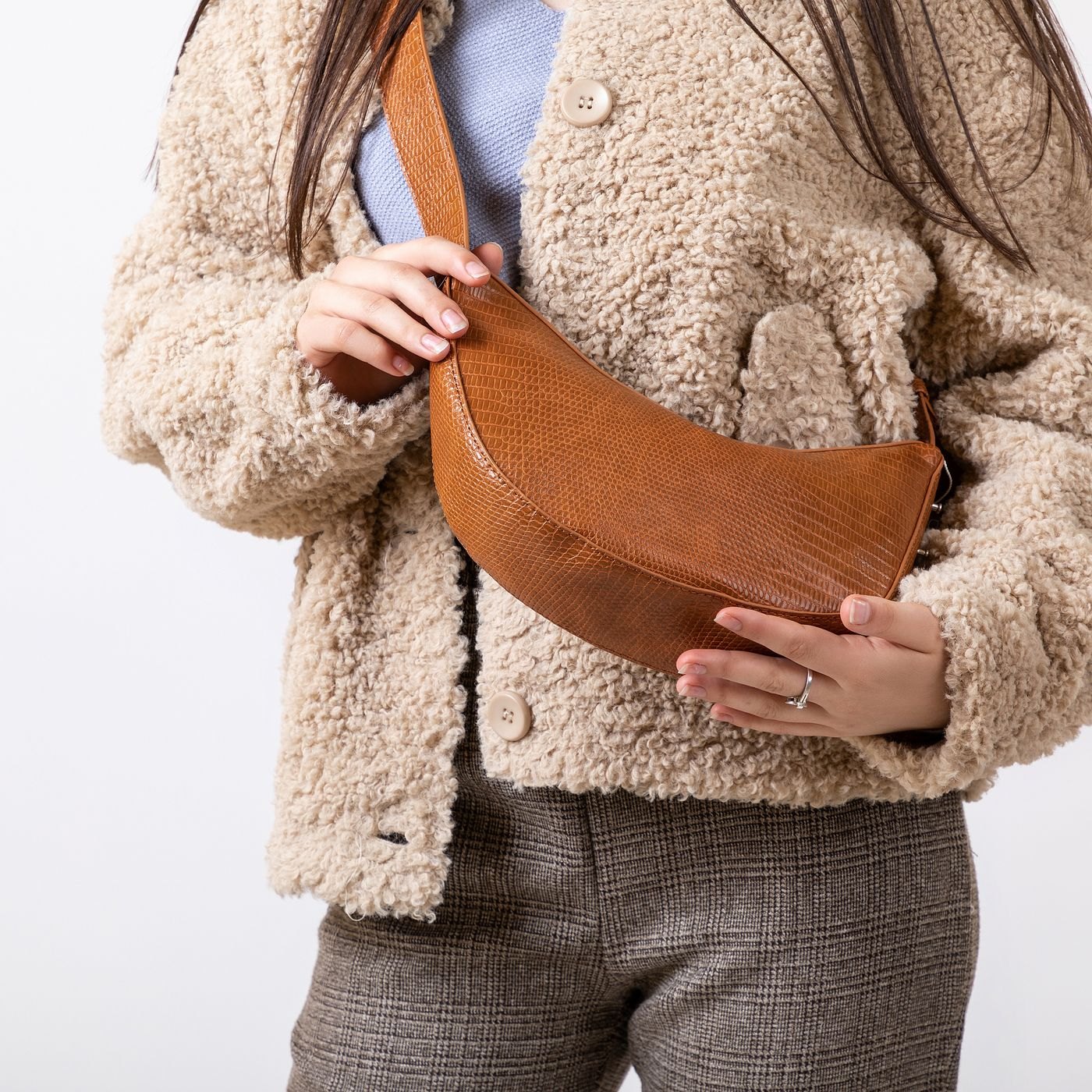
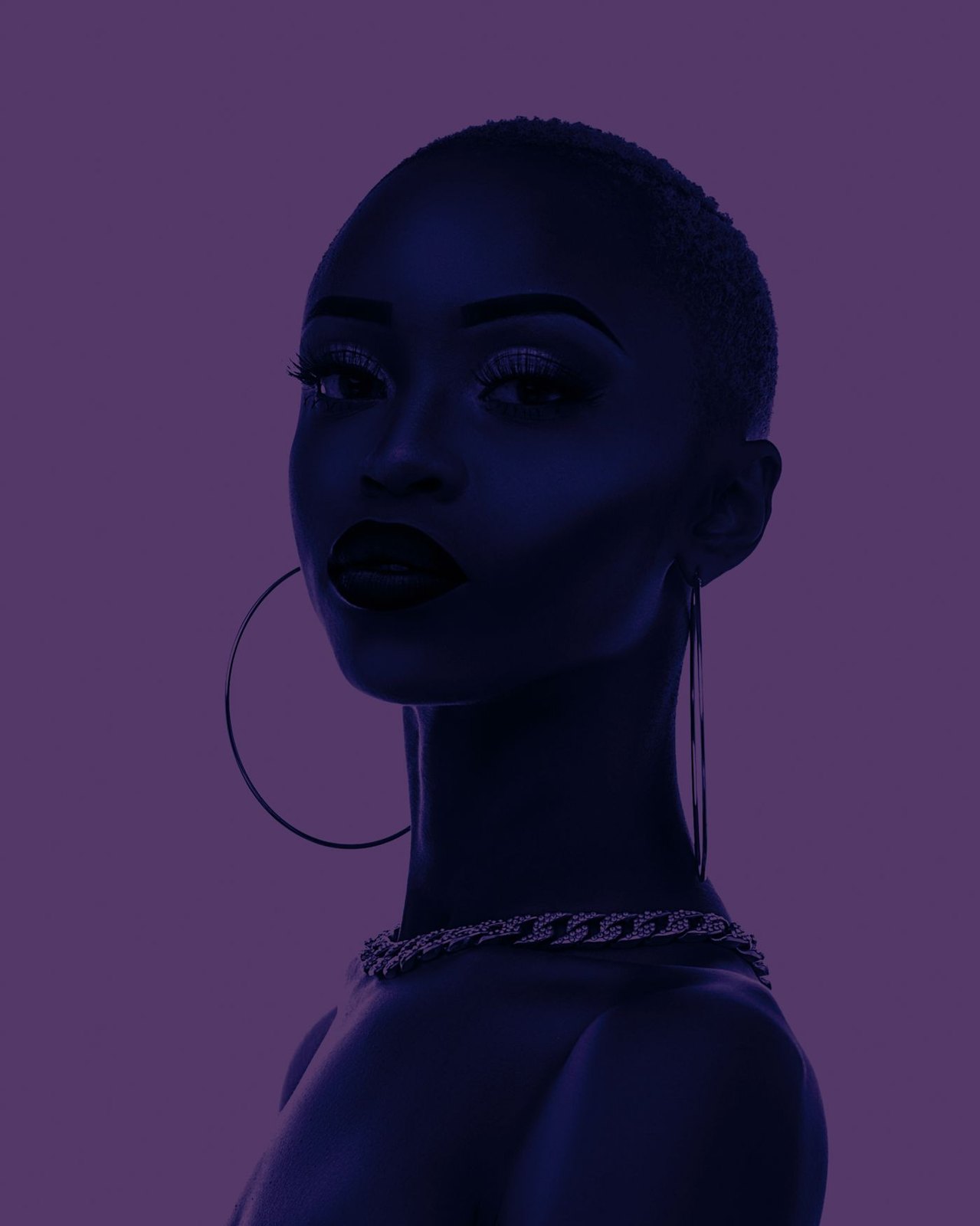
Choose the piece you most want people to see: a sculptural earring, a bright bag, a broad cuff or an unusually shaped shoe. Put it on with the clothes you intend to wear. Its impact depends on that setting, so an accessory that feels dramatic on a shelf may be quite quiet beside a patterned coat.
Notice what draws your eye first. If it is the chosen piece, you may already be finished. If several details compete, decide whether you enjoy that effect before changing anything. A single focal point is an option, not a rule for every outfit.
Quiet the nearest competition
For a large earring, try removing the necklace before changing the whole outfit. For a distinctive bag, a simpler belt or less visible shoe hardware may give it space. The closest competing detail is often the most useful place to start.
Quiet does not have to mean colourless. A plain red knit may provide a clearer background for jewellery than a pale top with an elaborate neckline. Consider surface, shape and pattern as well as colour when deciding what should recede.
Check the scale in the whole outfit
Look from a few steps away. A large accessory may be balanced by a substantial coat or a wide trouser shape, while a small bright piece can be prominent against a simple dark outfit. There is no fixed size that makes something a statement.
Then check how it behaves. A striking bag still needs to carry what you need, and a broad cuff should not make an afternoon at the desk uncomfortable. An accessory earns its place through wear as well as appearance.
Stop adding when the idea is clear
It can be tempting to repeat a colour in every remaining detail. Try one echo, if any, and compare. You may prefer the chosen piece to stand alone. Leave the other favourite accessories for another day rather than treating an outfit as the only opportunity to wear them.