Start with the actual neckline
Necklace lengths measured in centimetres or inches do not land in exactly the same place on everyone. Neck shape, posture and the garment underneath all affect where a chain sits. Put the necklace on with the top you mean to wear, then check it from the front and side.
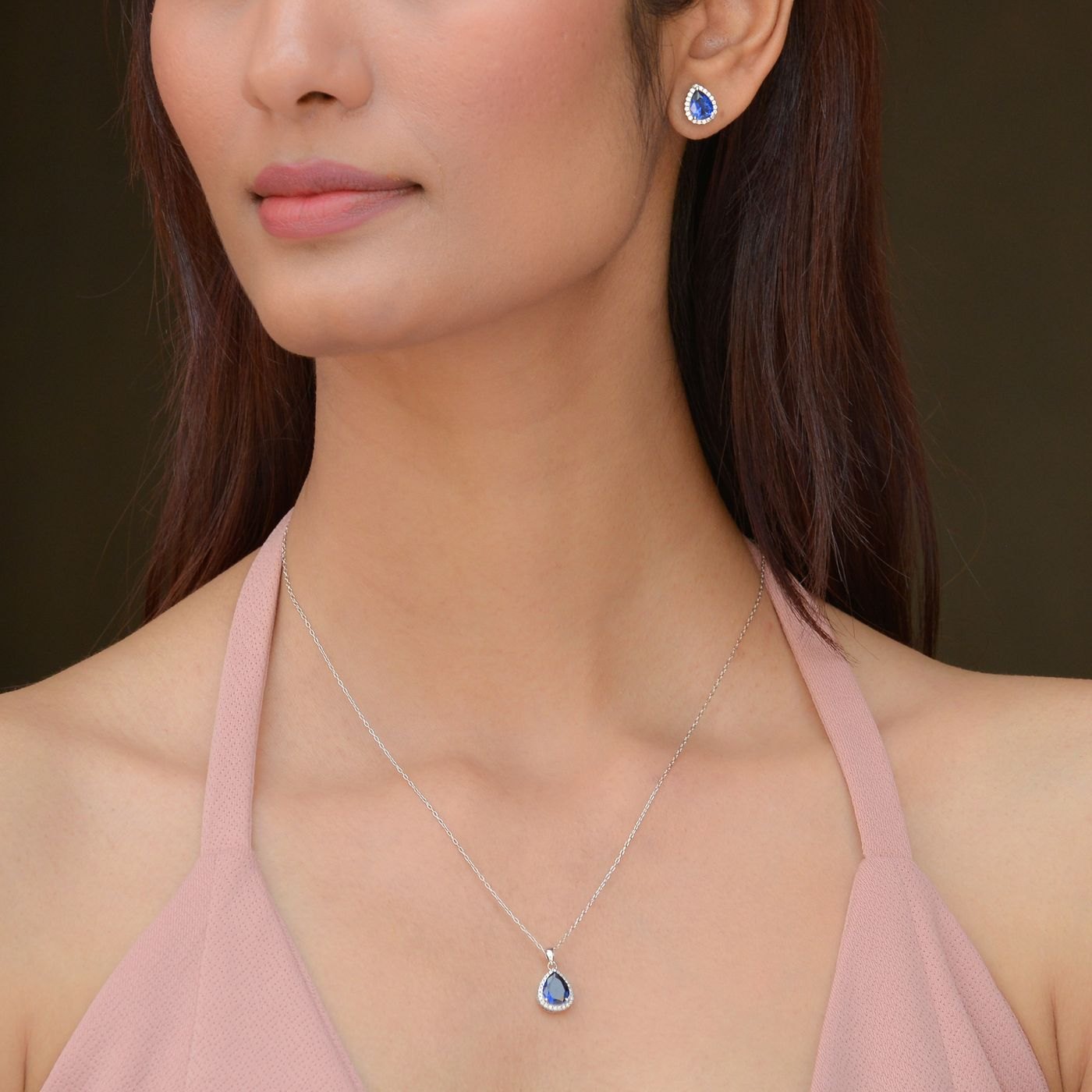
A pendant that finishes just above an open neckline usually remains clearly visible against skin. One that sits below the neckline can read as part of the surface of the garment. The uncertain point is often directly on the edge, where the pendant may slide in and out of view as you move.
Test a small change
If the chain has adjustable fastening points, compare them before deciding the necklace does not work. A small change can move the pendant away from a button, seam or printed detail. Keep the clasp securely fastened at a point designed for that purpose; do not improvise an attachment to a decorative link that may not support it.
For a long necklace over clothing, check the fabric beneath it. A textured knit or delicate open weave may catch a pendant or clasp. A smooth, substantial surface can be easier, although the shape and finish of the jewellery still matter. Inspect both rather than relying only on the length.
Move beyond the standing view
Lean forward, sit down and put on your coat. A long pendant may swing into objects when you bend, and a shorter chain can sit differently when a collar is fastened. Think about the activities ahead, especially if you will be carrying bags, working at a desk or leaning over a table.
If you are uncertain about buying a new length, measure a necklace you already wear successfully. Lay it flat and note where it finishes on you with several necklines. This gives the measurement some context instead of turning it into an abstract promise.
The right length is the one that creates the relationship you want and remains comfortable in use. A necklace does not need to sit at a supposedly ideal point to belong in an outfit.