A shelf is useful only when you can reach the knit
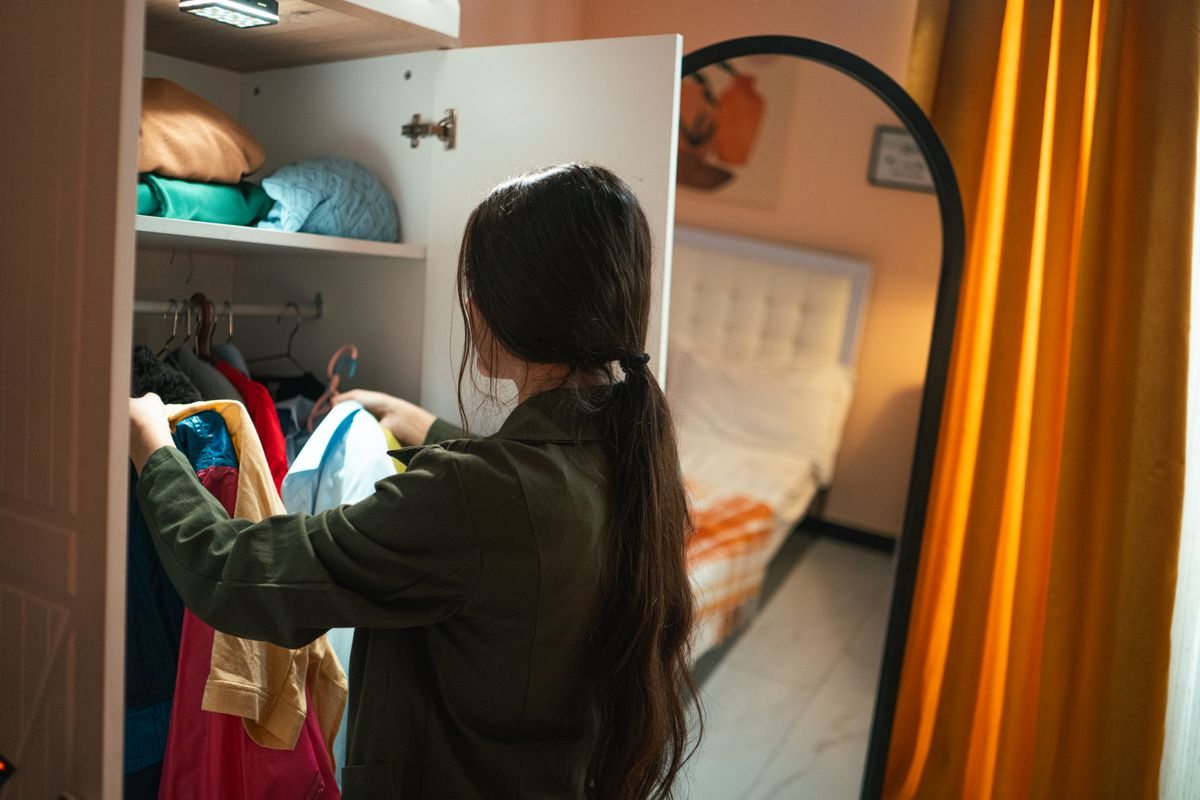
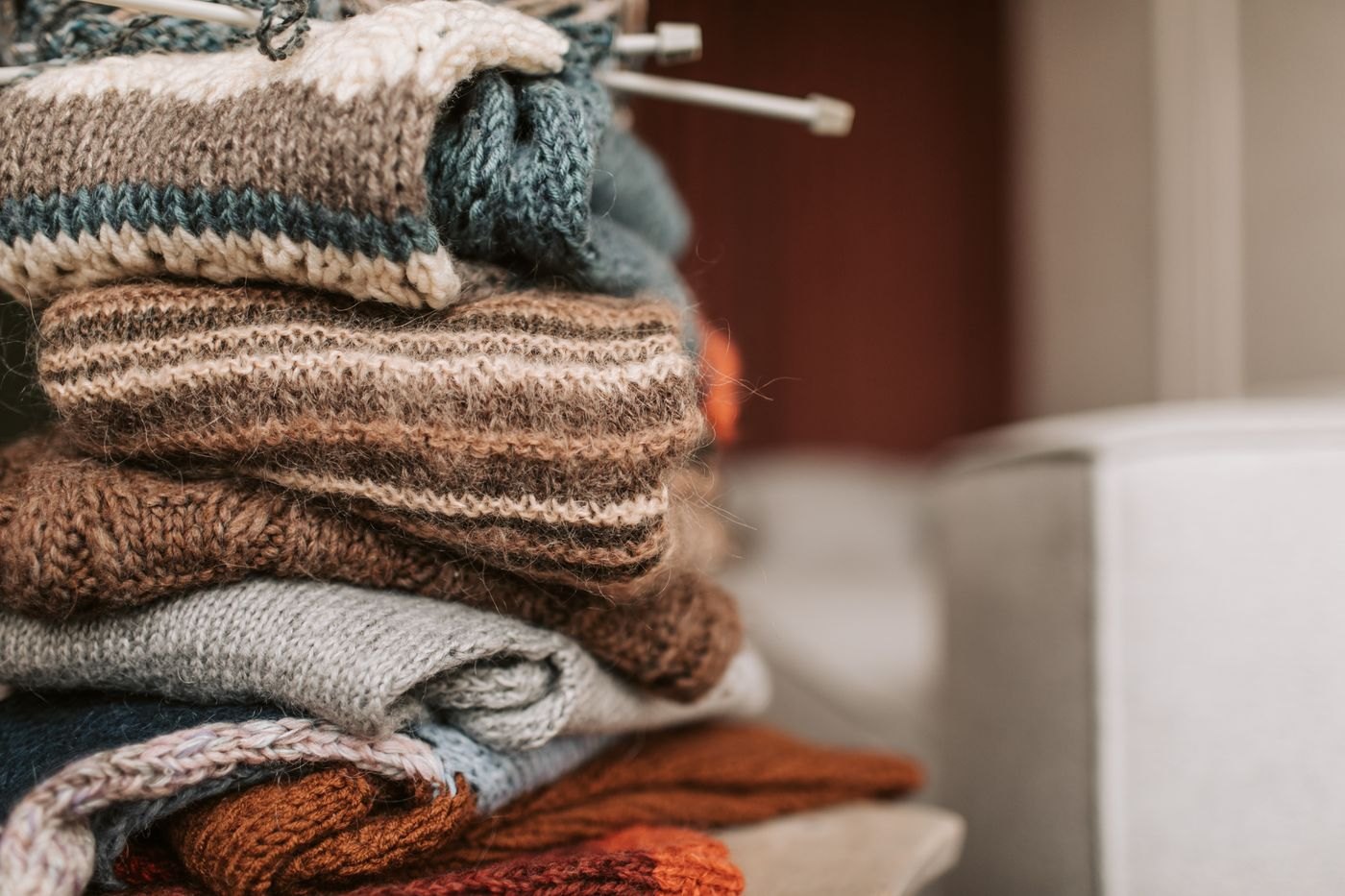
A stack of sweaters can look tidy and still be awkward to use. If the one you wear most often is at the bottom, every morning begins with lifting and rearranging the others. Put frequently worn pieces where they can be reached directly. Keep taller stacks for items you use less often, or divide a deep shelf into shorter groups.
Woolmark recommends folding wool garments rather than hanging them for storage to help preserve their shape. Follow the individual garment's advice, particularly for unusual construction or embellishment. The point is to support the fabric without making the shoulders carry the weight of the whole piece.
Lay a sweater out, bring the sleeves inward and fold it to fit the shelf or drawer without forcing a very tight bundle. Avoid placing a bulky fastening directly under a delicate knit. If the shelf has a rough edge, deal with the surface rather than accepting a snag as part of taking clothes out.
Choose a view that suits the drawer
In a shallow drawer, folded pieces can stand loosely beside one another so their edges remain visible. In a shelf, a small horizontal stack may be easier. There is no need to use the same folding arrangement everywhere. Test whether you can remove and replace a piece with one hand while keeping the others reasonably in place.
Group knits by use when that helps you choose. Fine layers for work might belong together; heavy outdoor sweaters may need another shelf. Colour order is optional. A beautiful gradient is less helpful if it separates pieces that you usually compare on the same morning.
Leave space for a garment returning from wear. If the storage only works while one sweater is missing, it is too full. Do not press an aired piece straight into a dense pile before it is ready to be put away. Check its condition and follow its care needs first.
Distinguish daily use from seasonal storage
For a long period away, clean garments as instructed and make sure they are completely dry. Woolmark advises checking stored wool periodically for moisture or insects. A labelled container helps you find the right group without unpacking every season at once.
Keep repair jobs outside the main stack with a specific next step. A loose cuff should not disappear under winter sweaters until the following year. When you reopen the storage, inspect the pieces before returning them to rotation. A few minutes spent making them ready is more useful than immediately reorganising the entire shelf by colour.