Spread out one kind of accessory
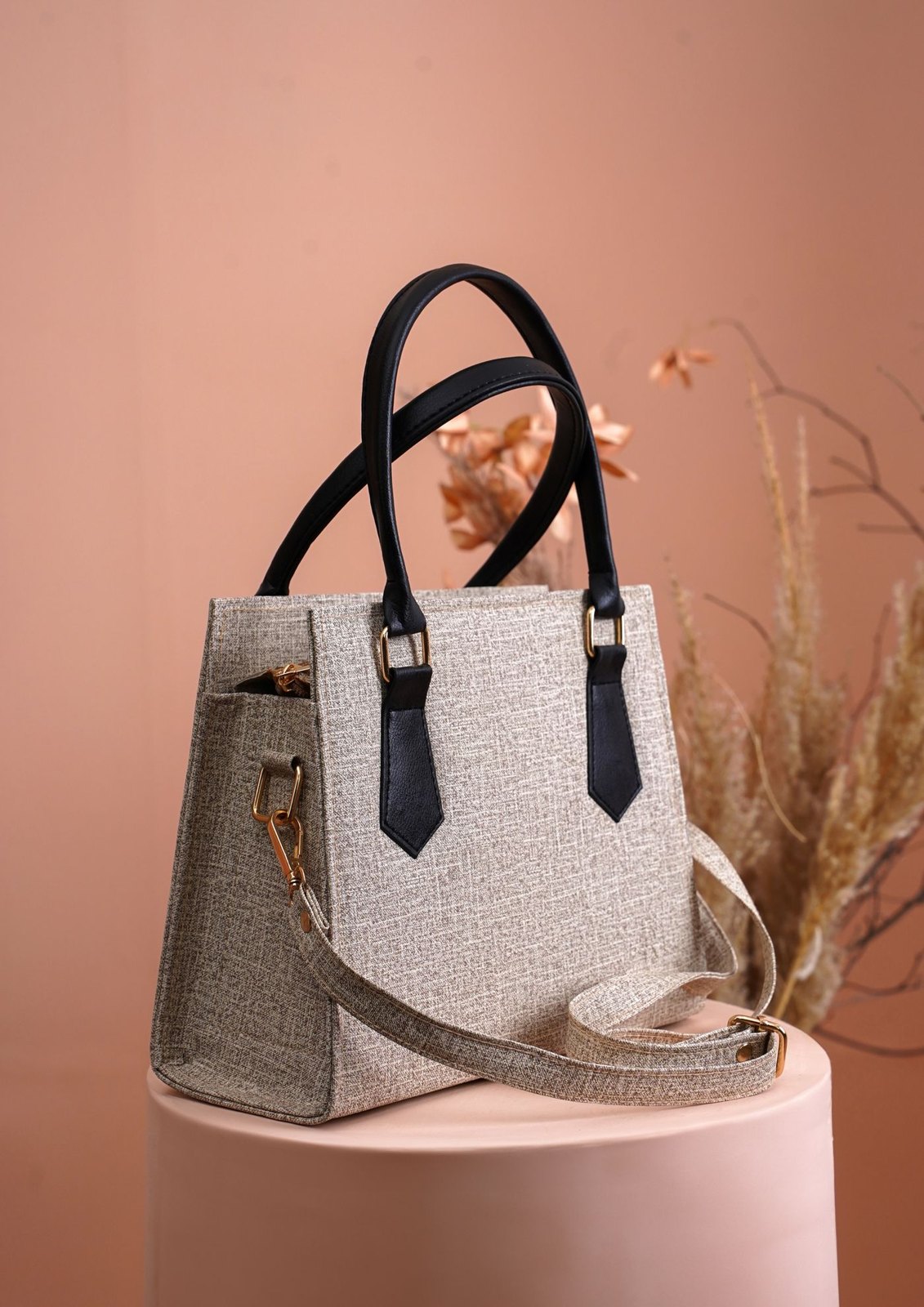
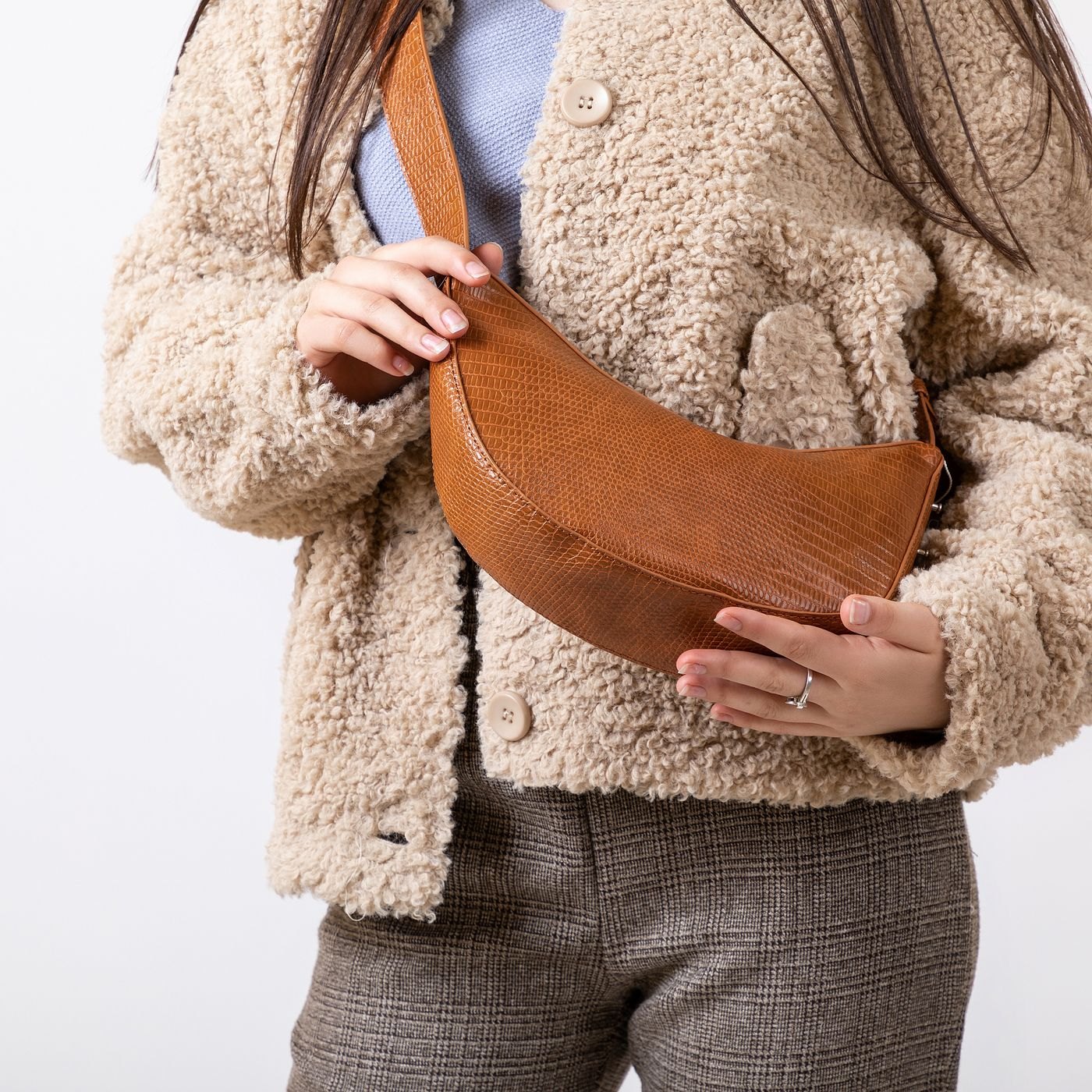
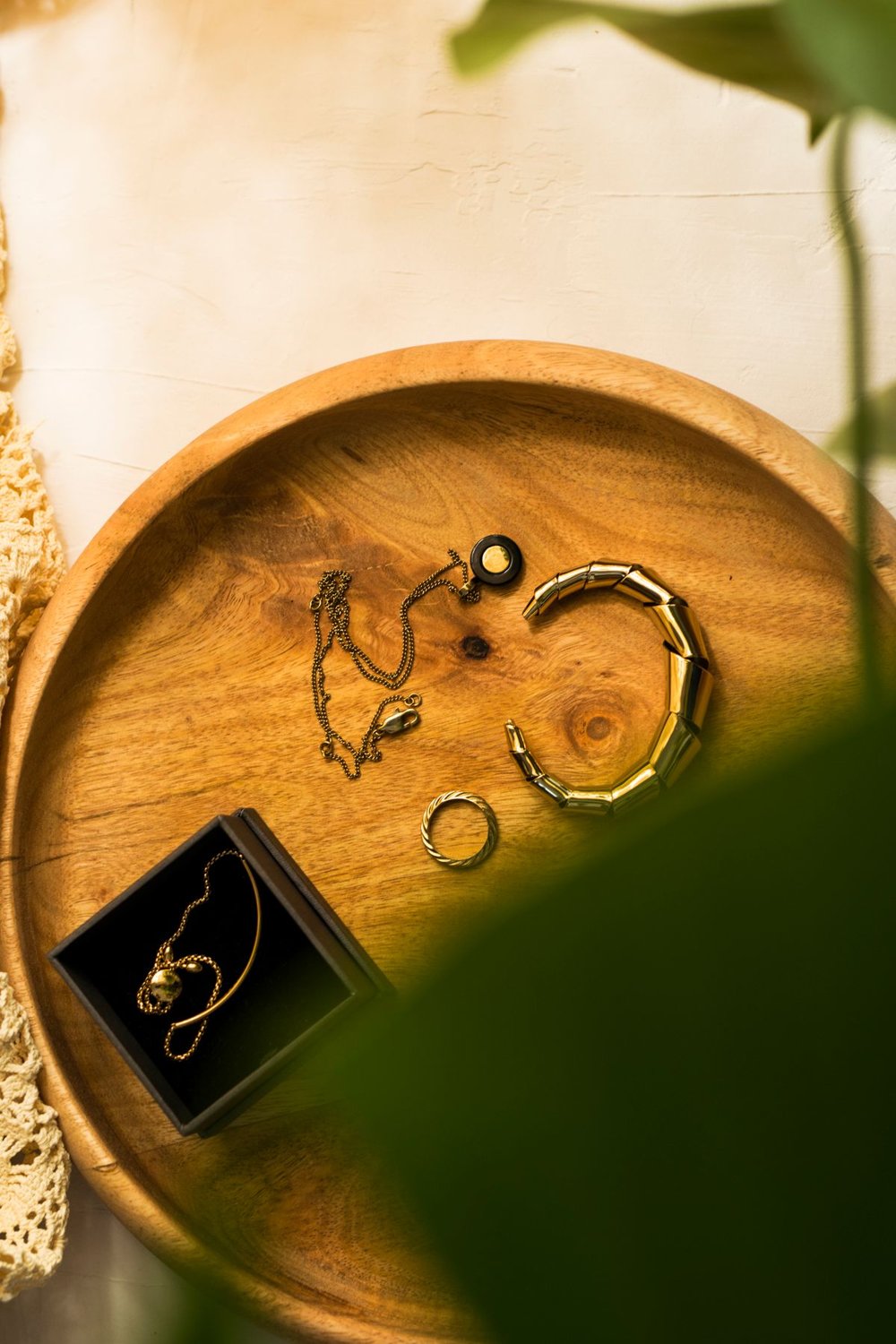
Start with a category you can finish: earrings, scarves or everyday bags. Emptying everything at once makes it difficult to see what belongs together and leaves you with a large sorting job. Set the pieces on a clear surface where small fastenings cannot disappear.
Group by use rather than colour at first. Which earrings do you wear for work? Which bag carries your normal things? Which scarf stays in the drawer because it is awkward with every coat? These questions show how the collection functions. A row of attractive objects alone tells you less.
Separate repairs from decisions
A missing earring back or a loose bag strap deserves a different response from an item you no longer enjoy. Place repairable pieces together with a specific next action. Find the suitable replacement part, ask a repairer or decide that the cost is not worthwhile. Give the group a date to revisit so that it does not become permanent storage for unfinished intentions.
Try uncertain pieces with actual clothes. A necklace that seems too formal in its box may work with a plain shirt. A scarf may be beautiful but repeatedly slip from the coat you wear most. Keep the evidence of the try-on in mind rather than inventing future occasions for every item.
Write the purchase question
After the edit, describe any need in a sentence. You might want a smaller bag that holds your glasses case, or earrings with a fastening you find easier. A specific description makes shopping more focused than deciding that your accessories need refreshing.
You may also discover that no purchase is needed. Moving a few neglected pieces into view can change what you use. Store necklaces so that they are not tangled and give pairs of earrings a place together. The aim is access, not a shop display. Close the drawer while the collection still fits comfortably, and leave a little room around the objects instead of filling it immediately.